 Angel Doris
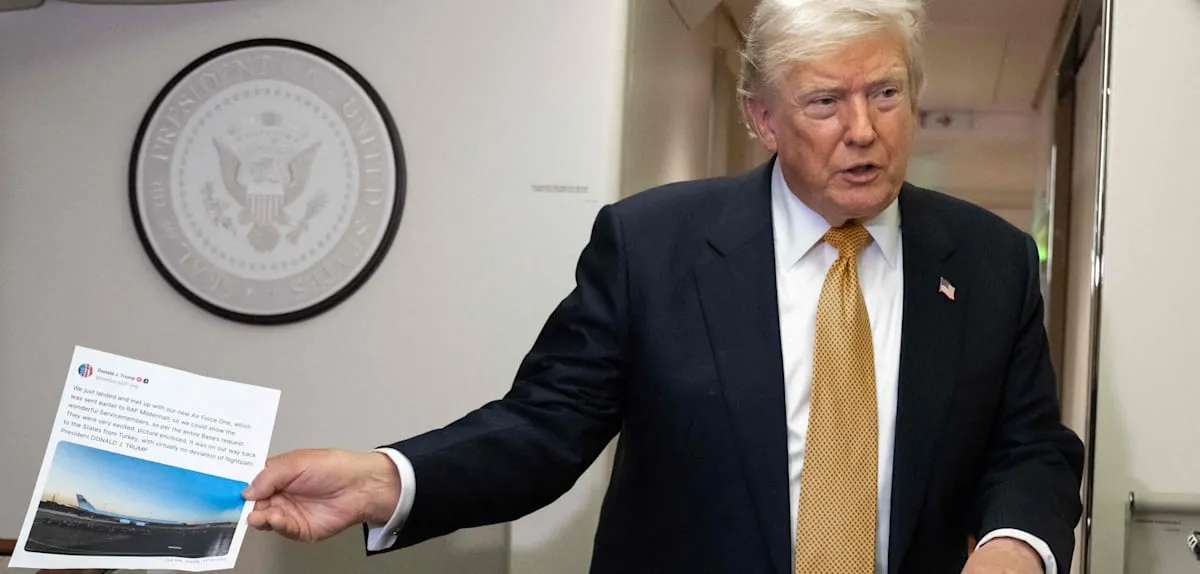
WASHINGTON – A controversial proposal by former U.S. President Donald Trump to monetize his social media platform, Truth Social, has sparked a wave of concern and sharp criticism. The plan involves offering premium access to Wall Street firms and financial institutions to receive posts, including those potentially affecting national security or financial markets, milliseconds earlier than the general public. This initiative draws allegations of corruption and market manipulation, given the significant impact of such information.
This reported scheme would introduce an exclusive subscription service. Through this service, financial entities could purchase direct post feeds from Truth Social. A time advantage of just a few milliseconds might seem negligible, but in the world of high-frequency trading, such a small speed edge can translate into billions of dollars in financial gains.
Critics immediately highlighted the potential dangers of such a business model. Posts from former President Trump, or other influential figures on the platform, often contain statements that can trigger significant fluctuations in stock, commodity, or even bond markets. Information related to government policies, international relations, or statements concerning specific companies could be exploited for personal gain before it becomes widely known.
“This is a brazen form of corruption,” stated a market analyst who wished to remain anonymous, referring to a practice that implicitly sells access to information that should be equally available to the public. These allegations are strengthened by the fact that Trump himself is a public figure with vast political and economic influence, and Truth Social is his platform. This situation creates a clear conflict of interest.
The U.S. Securities and Exchange Commission (SEC) will likely review this proposal seriously. Financial regulators strive to maintain market integrity by ensuring all investors have equal access to information. Practices that provide a time advantage to a select few are considered to undermine the principles of a fair and transparent market.
Truth Social itself was launched as an alternative to mainstream social media platforms, promising freedom of expression. However, this latest monetization plan raises questions about the ethics and true purpose of the platform, transforming it into a potential tool for questionable financial gain.
Public statements from political figures, especially presidents or former presidents, have long been proven capable of moving markets. A brief tweet or uploaded post can cause stocks to soar or plummet within minutes, creating opportunities for those with earlier information.
The primary concern is the misuse of information. Imagine a scenario where Trump posts information about new sanctions against a country or a policy affecting a specific industrial sector. Parties with milliseconds of earlier access could execute large transactions to profit or avoid losses before the general market reaction occurs.
If this scheme indeed goes forward, public trust in market fairness and information transparency could erode significantly. Retail investors and the general public would feel disadvantaged, competing on an uneven playing field with major Wall Street players.
As a figure who remains a focal point of politics in 2026, every business move by Trump always attracts sharp scrutiny. This Truth Social monetization plan is not only viewed from a business aspect but also carries deep political implications, especially if he runs for election again.
Experts in political ethics and business law argue that the line between private gain and public interest must be strictly maintained. Such early information access schemes have the potential to blur this boundary, opening loopholes for sophisticated insider trading practices.
Society and regulatory bodies are expected to urge for further transparency and strict regulation of such practices. Protecting a fair and open market is a crucial pillar of the modern economy.
The final decision regarding the implementation of this service, as well as the response from regulators and the public, will significantly determine the reputation of Truth Social and Donald Trump amidst an increasingly complex global political and business arena. The debate on ethics and integrity in the digital age and financial markets appears set to continue heating up.