BERLIN – Following an exhaustive marathon session, the German Parliament's Budget Committee has finally approved the draft budget for 2027. This pivotal decision immediately triggered a wave of scathing criticism from various stakeholders, including the political opposition and the business sector, who express grave concerns about the impact of 'more debt and more taxes' on Germany's economy and its citizens.
The approval of this budget, which took place in late 2026, marks a new chapter in Germany's fiscal policy. Critics highlight that the budget projections will lead to a significant increase in national debt and simultaneously impose additional taxes on taxpayers. This situation is feared to impede economic growth, which is striving to recover from various global challenges.
The Budget Committee's marathon session underscored the intensity of internal debates regarding spending priorities and revenue strategies. For hours, parliamentarians deliberated fiercely, striving to reach a compromise amidst pressure to balance future fiscal needs with public demands for economic stability.
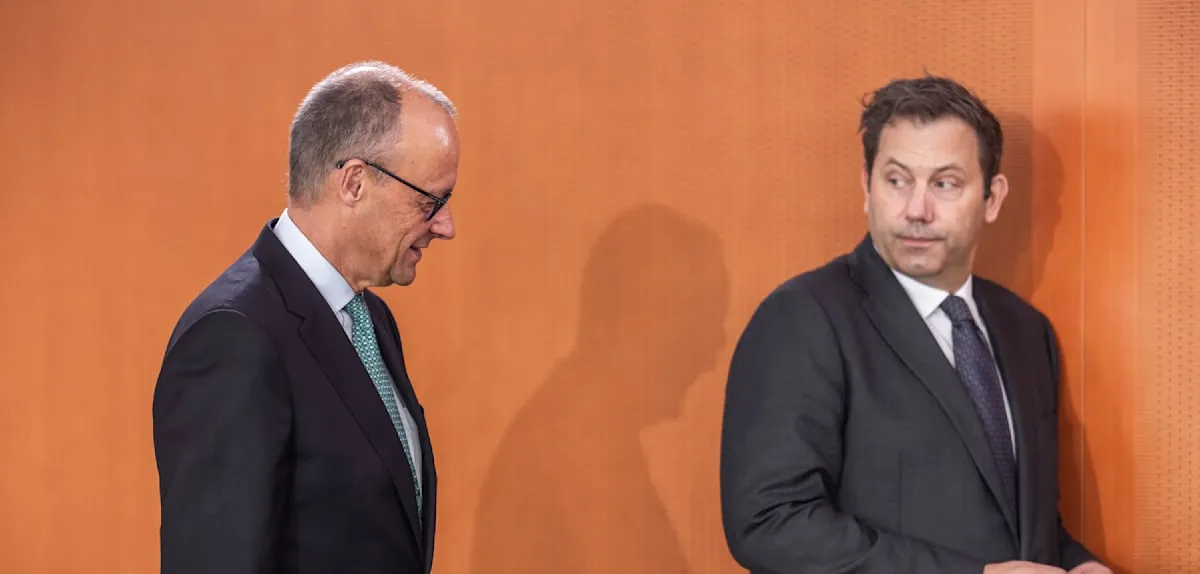
The opposition parties, particularly the Christian Democratic Union (CDU) led by Friedrich Merz, voiced strong objections to the budget draft. Merz, who has been a direct target of criticism over the government's fiscal policies, argued that this approach would only exacerbate the country's financial condition and burden future generations with unsustainable debt. He called for a more realistic, comprehensive revision.
Beyond the political sphere, objections also emanated from German industry and business associations. They expressed deep concern that rising taxes and debt burdens would suppress corporate competitiveness, reduce investment, and ultimately slow job creation. The uncertain business climate was a primary point of contention.
Business leaders argue that the government should seek more innovative solutions for managing national finances, rather than merely relying on tax increases that could undermine the spirit of entrepreneurship. They fear Germany will lose its attractiveness as an investment hub if the fiscal burden continues to grow.
The increase in national debt within the 2027 budget also raises serious questions regarding Germany's adherence to its constitutional 'debt brake' (Schuldenbremse), a mechanism that limits the federal budget deficit. Although the government claims exceptional circumstances, economic observers are beginning to doubt the long-term commitment to fiscal discipline.
The coalition government, conversely, contends that the measures outlined in the 2027 budget are indispensable for addressing various structural challenges and making crucial investments in infrastructure, energy transition, and digitalization. They insist that these increased burdens are part of a long-term effort to ensure Germany's resilience and future progress.
However, the government's explanations appear insufficient to quell public anxieties. Recent surveys indicate a growing level of dissatisfaction with the country's economic management. Many citizens feel that promises of prosperity do not align with the reality of rising living costs and potentially heavier financial burdens.
The political implications of this budget approval are expected to reverberate until the upcoming general election, with economic and fiscal issues becoming a central battleground between parties. The image of the ruling coalition may be tarnished if the negative impacts of this budget are tangibly felt by the public.
This 2027 budget draft draws attention not only within Germany but also in the global economic arena. As Europe's economic powerhouse, Germany's fiscal policies have significant ripple effects on the stability of the Eurozone and international markets. The world will watch closely how Berlin navigates this challenging fiscal period.
Editorial Insight: Germany's approval of the 2027 budget reflects a universal dilemma faced by many nations: how to finance future needs without compromising present stability. The sharp criticism from the opposition and business sector signals serious doubts about the sustainability of a 'more debt, more taxes' approach. This decision has the potential to trigger broader social and economic turmoil, and will test the political resilience of the ruling coalition. The government must be transparent and effective in managing public expectations and the real impacts of this ambitious fiscal policy.