 Angela Stefani
HERCULANEUM – A new chapter in the history of archaeology and technology unfolds as researchers successfully unveil thousands of texts buried within the Herculaneum Papyri scrolls. An innovative method combining advanced X-ray technology with artificial intelligence (AI) algorithms has enabled the reading of ancient manuscripts previously deemed impossible to restore. This discovery, announced in 2026, promises invaluable insights into the intellectual and cultural life of the Roman Empire.
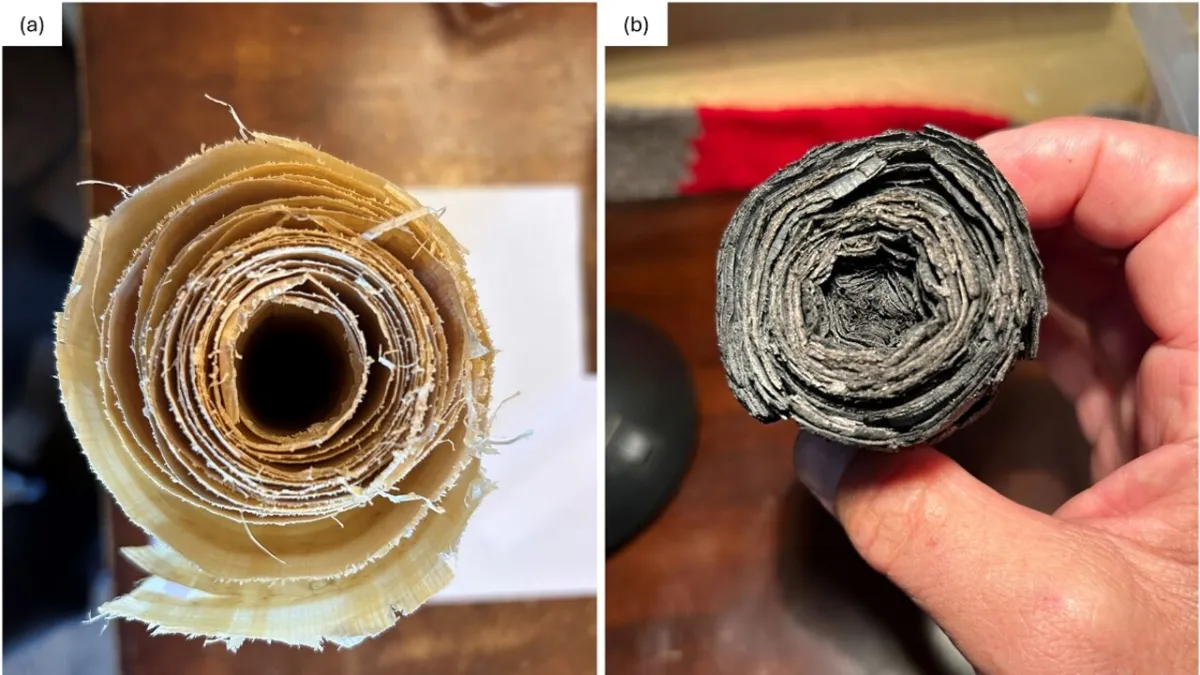
The research focuses on papyrus scrolls charred by the eruption of Mount Vesuvius in 79 AD, which both preserved and damaged a private library in the Villa dei Papiri, Herculaneum. The scrolls' brittle, carbonized condition meant that centuries of attempts at physical unrolling always led to their destruction. Now, this challenge has been overcome through a revolutionary non-invasive approach.
A multidisciplinary team of scientists, consisting of archaeologists, data scientists, and engineers, embarked on this ambitious project several years ago. They developed a system capable of detecting traces of lead in the ink used on the scrolls. Lead, even in very low concentrations, provides sufficient contrast to be identified by synchrotron X-rays.
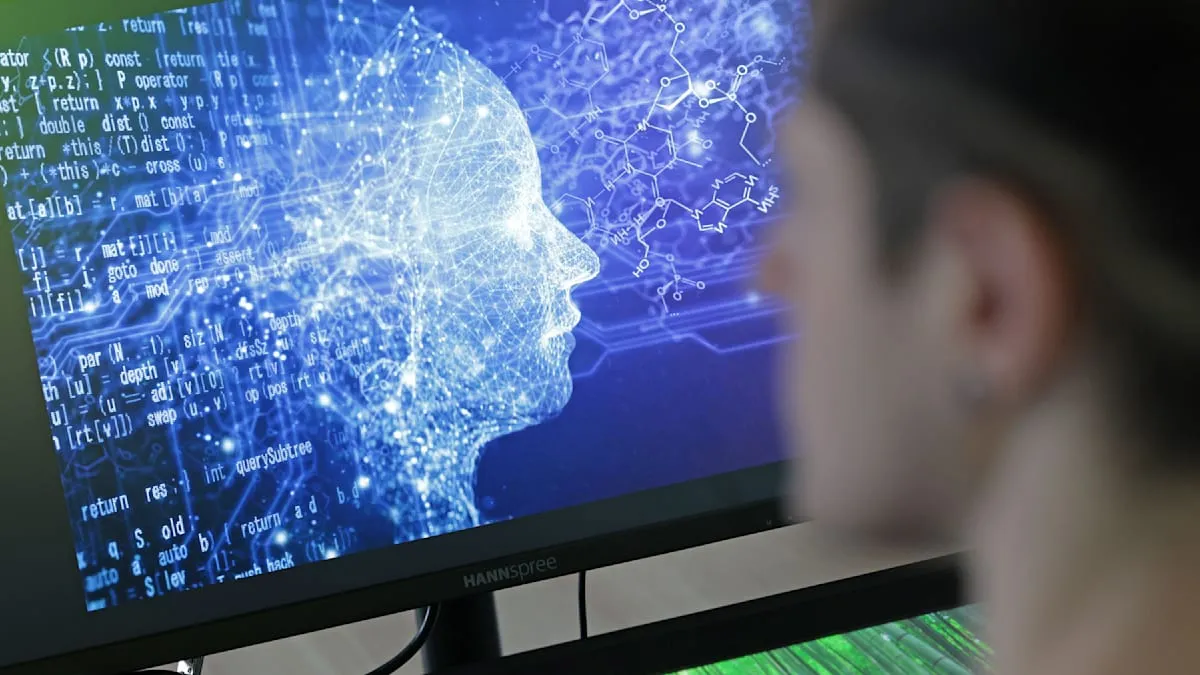
Artificial intelligence played a crucial role in this process. AI algorithms were trained to differentiate between charred papyrus fibers and lead particles from the ink. By processing millions of data points from X-ray scans, the AI was able to reconstruct the hidden letters and words, even from scrolls that appeared visually blank.
This is a game-changing moment for philologists and historians, stated Professor Clara Rossi, project leader from the University of Naples, in a virtual press conference. Every scroll we manage to read opens a new window into the past, potentially revealing the thoughts of Roman philosophers, poets, or statesmen we never knew existed.
One of the initial findings from this technique is a fragment of an Epicurean philosophy text. This scroll, estimated to date from the 1st century AD, discusses ethics and cosmology. Researchers hope this finding is merely the tip of the iceberg of what will be revealed.
The impact of this breakthrough extends beyond archaeology alone. The potential for similar technology to restore other damaged ancient documents, such as burned manuscripts or those degraded by time, is immense. This method sets a new standard for the preservation and study of cultural heritage.
The Italian government and international cultural institutions have welcomed this discovery. They are committed to supporting further efforts to scan and analyze the remaining unread Herculaneum Papyri scrolls. It is estimated that hundreds more scrolls await to have their secrets unveiled.
Experts suggest that the data generated will take many years to fully analyze. Each successfully identified character is a puzzle piece that must be assembled, forming a more complete narrative of Roman civilization.
International collaboration was key to the project's success, involving institutions from various continents contributing expertise in advanced imaging and AI development. This process serves as a tangible example of how modern technology can revive the silent voices of the past.
Editorial Insight: This breakthrough in reading the Herculaneum scrolls marks a significant evolution in archaeological methodology, redefining the boundary between damaged artifacts and invaluable sources of knowledge. The successful synergy between artificial intelligence and non-invasive imaging techniques not only promises deeper understanding of the ancient Roman world but also paves the way for the recovery of countless historical archives worldwide, previously thought lost forever. The potential implications for philology, history, and even philosophy are immense, and we may be on the verge of rediscovering ancient works that could reshape our understanding of civilization.