 Robert Andrison
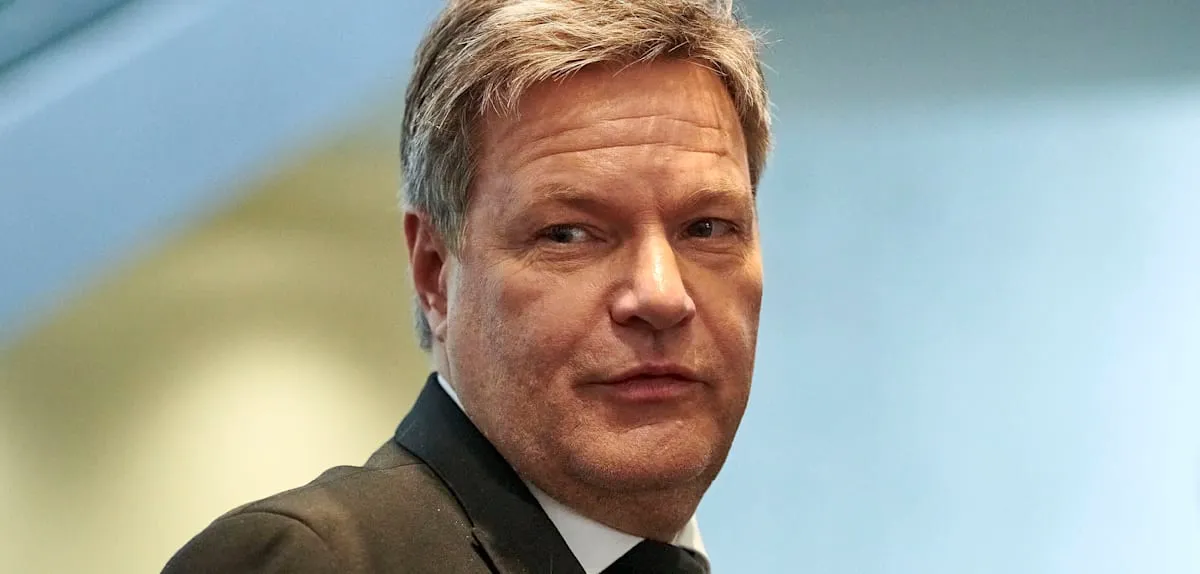
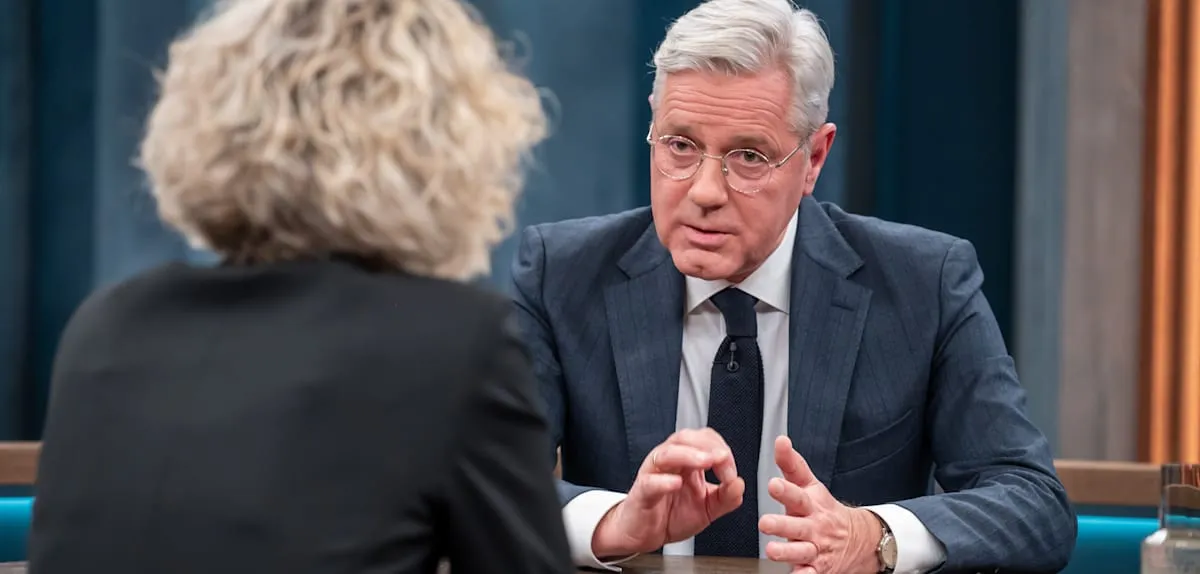
BERLIN – Former German Vice-Chancellor Robert Habeck has warned that the Arctic region is transforming into a crucial stage for global power struggles, a dynamic also involving China. Amidst intense competition among major powers, Habeck emphasized the importance of Europe adopting a strategic leadership role, albeit with an approach from the 'second row', to convert challenges into collective opportunities.
The Arctic waters and landmass, once remote, are now under the spotlight as melting ice opens access to new shipping lanes and abundant natural resources. This phenomenon has triggered a race to claim or control vital areas within the region.
China's involvement in the Arctic is no longer mere discourse. Beijing is aggressively increasing its economic presence and scientific research, asserting its ambition as a 'near-Arctic state'. This move raises concerns among traditional Arctic nations and their allies regarding potential militarization and sovereignty infringements. This issue is relevant to the evolving global economic dynamics, as seen in the article Singapore-China Innovation Collaboration Urgent Amidst Global Turmoil.
The concept of 'leading from the second row' proposed by Germany indicates a non-confrontational yet influential approach. This implies that Europe does not need to be a primary military actor, but rather focus on strengthening diplomatic alliances, building technological capacity, and promoting rule-based global governance.
Habeck, a politician from the Green Party, argues that Europe possesses significant soft power and economic influence. Through these instruments, Europe can shape narratives, uphold international norms, and ensure the exploitation of the Arctic proceeds sustainably and peacefully, rather than becoming a battlefield.
European unity is the cornerstone of this strategy. With a cohesive voice, European Union nations can more effectively negotiate their interests, both with Arctic states like Russia and the United States and with external actors such as China.
The global geopolitical situation is further complicated by the deteriorating relations between the West and Russia, which remains a dominant player in much of the Arctic. Escalations in Ukraine have also fueled tensions in the northern region, also reflected in Baltic Sea tensions as reported in Baltic Sea Ablaze: Russian Cargo Ship Attacked, Finland on High Alert!.
Real threats emerge from the scramble for control of sea lanes and the potential for resource conflicts. However, Europe can leverage the climate crisis as a basis for diplomacy, promoting cooperative research and environmental protection as essential joint efforts.
The melting of Arctic ice is a symptom of the global climate crisis, not just a geopolitical issue. By leading climate change mitigation and adaptation efforts in this region, Europe can position itself as a moral and scientific leader, demonstrating commitment to the planet's future.
Certainly, this strategy is not without its challenges. Building consensus among 27 EU member states, facing aggression from other actors, and securing the necessary resources for large-scale Arctic projects are significant hurdles. Nevertheless, the opportunity to shape a more stable global order in one of the world's last frontiers is worth pursuing.
Habeck calls for an ambitious vision, urging Europe to look beyond narrow interests and embrace its global responsibilities. A smart and coordinated presence in the Arctic could serve as a model for 21st-century global leadership, where power is not always measured by military dominance, but by the ability to lead through example and cooperation.
Editorial Insight:
Robert Habeck's perspective reflects a paradigm shift in German and European foreign policy. Amidst an increasingly fragmented geopolitical landscape, the initiative to lead from the second row offers a clever alternative to power polarization. This demands Europe to strengthen its geopolitical identity, invest in multipolar diplomacy, and demonstrate that influence can be built through sustainability and justice, not solely through hegemony. The success of this strategy will heavily depend on the European Union's ability to speak with a strong and consistent voice on the world stage.