 Chris Robert
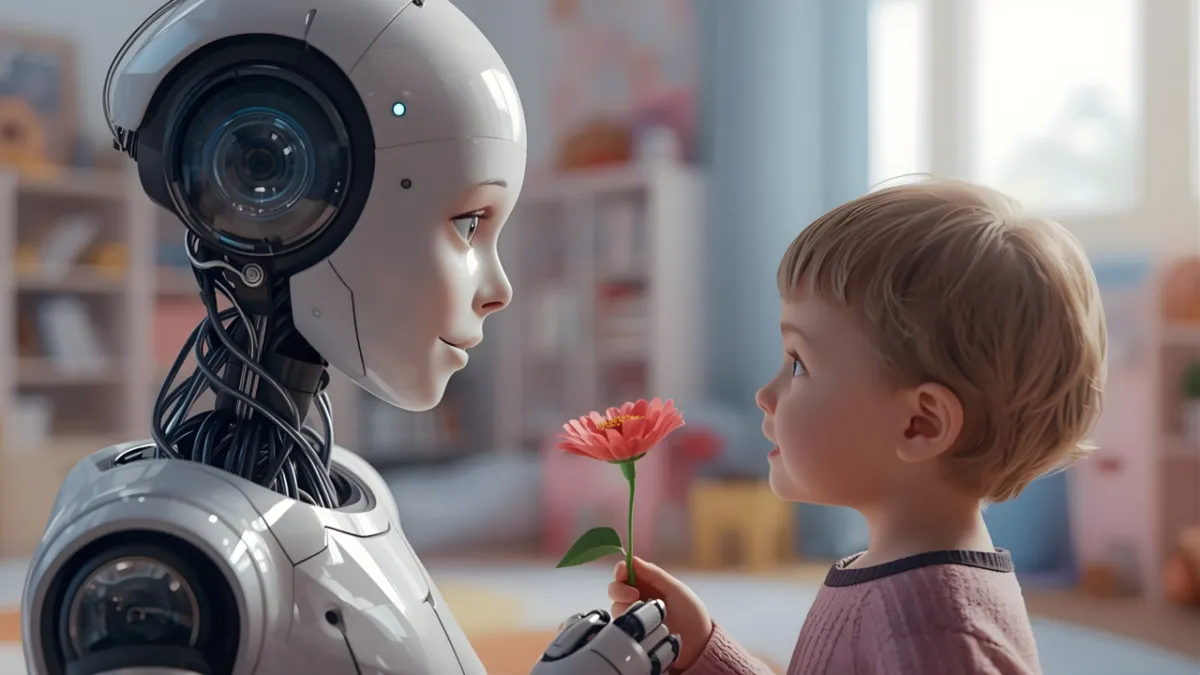
JAKARTA – The massive interaction between humans and artificial intelligence (AI) is sparking deep concerns among academics and global social observers. Since early 2026, this phenomenon of human adaptation to machines, dubbed robotoid, has increasingly come into the spotlight. This concept indicates that humans are unconsciously adjusting their speech patterns and response styles to facilitate more effective dialogue with intelligent systems.
The robotoid phenomenon is not a physical transformation into robots but rather a shift in cognitive and linguistic behavior. Individuals begin to adopt communication patterns that are more linear, logical, explicit, and less emotionally nuanced, resembling how AI processes information. The objective is clear: to minimize ambiguity and obtain the most optimal responses from AI devices.
This adaptation occurs gradually. Users learn that to get the best results from virtual assistants, customer service chatbots, or AI-based search systems, they must formulate questions or commands with high precision. This gradually forms linguistic habits that tend to omit idioms, sarcasm, or rich contextual references from daily conversations.
One of the main implications is the potential erosion of human-to-human communication. If humans become accustomed to speaking like machines, will their ability to empathize, read non-verbal cues, or understand the complexity of emotions in social interactions decline? This is a crucial question that sociologists and psychologists need to answer.
Professor Anya Sharma, a leading sociologist from the University of Oxford, during an online seminar earlier this year, expressed her concerns. We are witnessing a social evolution where the boundaries between humans and machines are blurring, not in physical form, but in the way we think and interact. It is important for us not to lose the essence of humanity in this adaptation process, she stated.
The global technology sector also faces significant ethical responsibilities. AI development companies need to consider the long-term impact of their products on human social behavior. Discussions on designing AI that is more human-centric and capable of adapting to the richness of human communication, rather than the other way around, are becoming increasingly relevant.
Governments and educational institutions have a crucial role in enhancing digital literacy. Education on how to consciously interact with AI, as well as the importance of maintaining the unique characteristics of human communication—such as empathy, nuance, and richness of expression—can serve as a bulwark against behavioral homogenization.
Despite these valid concerns, there are also positive aspects to consider. The need to communicate more precisely with AI can improve clarity in information delivery and reduce the potential for misunderstanding in certain contexts, especially in professional or technical environments.
However, the biggest challenge lies in balancing the efficiency offered by AI interaction with the authenticity and depth of human communication. Societies and individuals worldwide must consciously choose when and how they adapt, to preserve the rich linguistic and social heritage.
Editorial Insight:
The robotoid phenomenon is not merely a futuristic trend but a reflection of humanity's inevitable adaptation to increasingly pervasive technology. As journalists, we view this as a call for collective introspection. Are we willing to sacrifice the nuance and warmth of human interaction for the speed and efficiency of machines? This question will shape the future of communication and, ultimately, our human identity amidst the wave of the AI revolution.