 Angel Doris
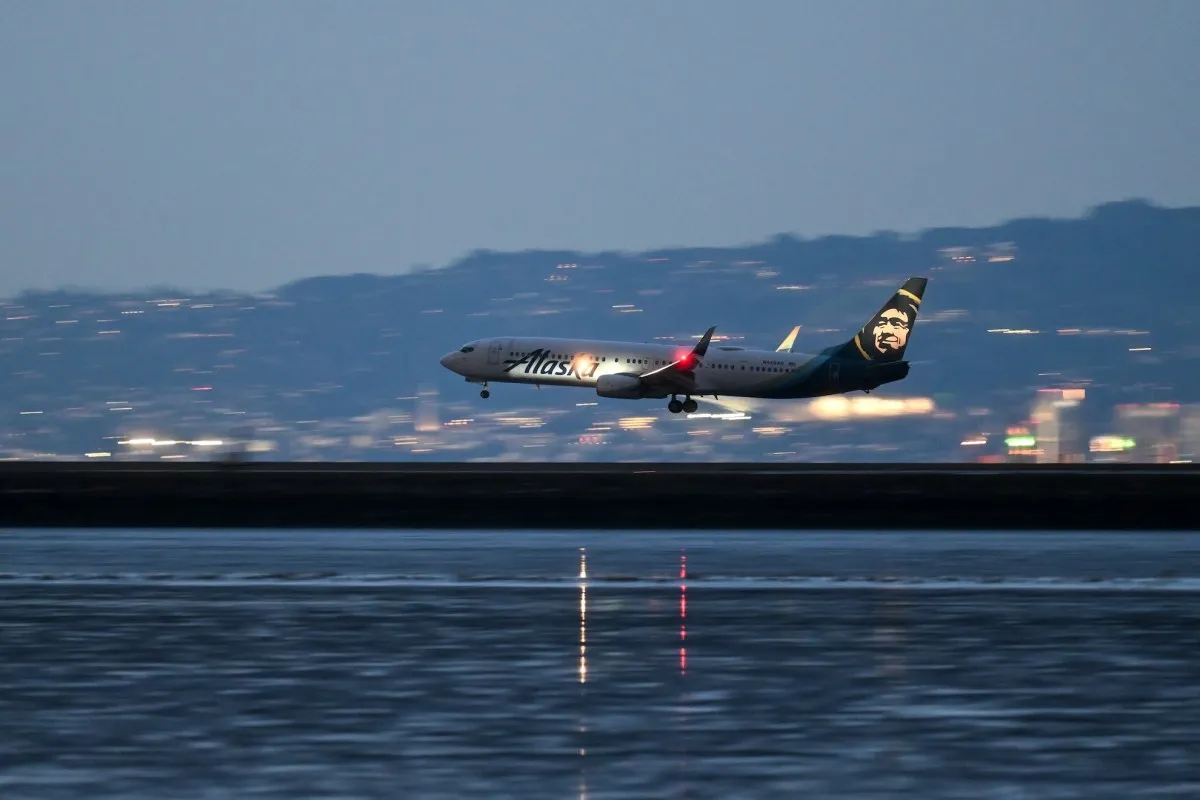
WASHINGTON D.C. – All domestic and international flights operating within United States airspace were abruptly grounded today, January 15, 2026, following an emergency decision by the Federal Aviation Administration (FAA). This operational halt was triggered by critical communication issues crippling several Air Route Traffic Control Centers across the nation, creating chaos at airports and potentially disrupting global travel schedules.
An FAA spokesperson, in an official statement to TechCrunch, confirmed that the ground stop was issued after communication issues impacting multiple Air Route Traffic Control Centers. These emergency conditions, referred to as extraordinary circumstances, led to the delay and cancellation of thousands of flights, leaving millions of passengers stranded at various terminals.
Passengers across the United States reported confusion and frustration. Long queues were seen at airline counters, while information regarding the duration of delays remained unclear. Many were forced to seek last-minute accommodation or drastically alter their travel plans, given the unprecedented scale of the flight suspension in recent years.
The economic impact of this widespread flight disruption is expected to be significant. The tourism, logistics, and global trade industries will feel the repercussions. Cargo flights, vital for global supply chains, are also affected, potentially creating supply shortages for various products in the near future. This situation highlights the vulnerability of air transportation systems to technical malfunctions.
While specific details regarding the type of communication disruption have not been announced, aviation analysts speculate that it could range from hardware failures, software glitches, to potential cyberattacks. The reliability of communication systems is the backbone of flight safety, and failure in this sector poses a serious threat to all operations.
This incident once again reminds the public of the vulnerability of vital infrastructure systems to large-scale technical disruptions. Previously, similar crises also affected the global technology sector, such as the Microsoft service collapse in 2026 that shook 74 countries. This event underscores the importance of risk mitigation and layered cybersecurity for all critical systems.
The United States government, through the Department of Transportation, immediately formed an inter-agency investigation team to identify the root cause. The top priority is to restore flight operations as quickly as possible while ensuring the security of data and air traffic control systems to prevent similar incidents in the future.
Major airlines such as Delta, United, and American Airlines issued emergency statements, offering rescheduling options or refunds for affected passengers. Key airports, including Hartsfield-Jackson Atlanta International Airport and Los Angeles International Airport, implemented emergency protocols to manage thousands of stranded passengers.
This disruption also raises questions about investment in modernizing air traffic control infrastructure, which has long been debated. Some parties are urging for greater budget allocation to update outdated technology and strengthen cyber defenses against evolving threats.
As of this report, there is no definitive estimate for when flight operations in the United States will return to normal. The FAA continues to collaborate with various stakeholders to resolve the communication issues and restore the system to optimal conditions, but the impact is expected to be felt for several days to come.
Editorial Insight: This incident of flight grounding in the United States is not merely a common logistical disruption but a loud alarm for critical global infrastructure. In an era highly dependent on connectivity, a communication system failure like this exposes fundamental vulnerabilities that can trigger a global domino effect, both economically and in terms of security. Governments and relevant agencies must use this event as a momentum for comprehensive evaluation and sustained investment in the resilience of aviation systems. The credibility and public trust in modern transportation systems are at stake.