 Gabriella
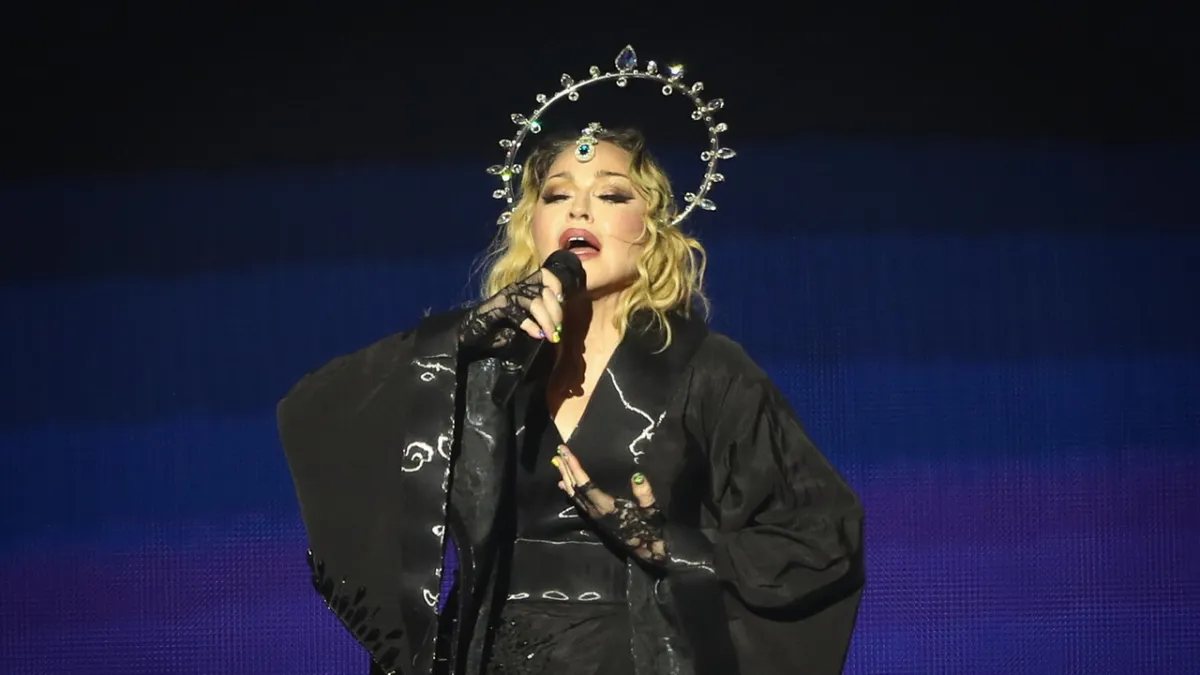
CANBERRA – The Australian government has officially implemented a progressive policy banning the production of songs created entirely or predominantly using artificial intelligence (AI). This decision comes as a direct response to the surge in popularity of algorithmically generated musical works, including a recently charting AI-reimagined version of Madonna's classic 'Like a Prayer'. This new regulation, effective from 2026, marks a significant step in efforts to protect artists' copyrights and the integrity of the creative industry amidst technological disruption.
The increasing adoption of AI in music creation has sparked fierce debate over intellectual property, artist compensation, and the very definition of art. The case of the AI-reimagined Madonna song became a major talking point, demonstrating how technology can mimic styles and vocals without direct participation from the original artist, yet still garner widespread public attention and commercial success.
The regulations announced by Australia's Ministry of Communications and Arts explicitly state that any composition whose core components, be it melody, lyrics, or arrangement, are predominantly AI-generated will not be permitted for commercial release on digital or physical platforms in the country. This provision aims to create a clear distinction between creative assistive tools and autonomous AI-driven creations.
Sarah Chen, spokesperson for the Australian Music Industry Association (AIMIA), welcomed the government's move. 'This is a victory for artists and creators,' Chen stated during a press conference in Sydney. 'We support innovation, but there must be a strong ethical framework to ensure that human work is valued and protected from exploitation.'
However, not all parties agree. Some AI technology developers and expressive music startups criticized the regulation as stifling innovation. Dr. Alex Turner, CEO of Auralis Labs, argued that a total ban is premature. 'AI is a tool, not a threat. These restrictions could freeze artistic exploration and hinder the development of a music ecosystem that could be enriched by AI,' Turner said.
Australia's move is not the first globally but stands out as one of the most comprehensive. Several other countries are also considering similar legislation, albeit with different approaches. The European Union, for instance, is developing a broader AI regulatory framework, including provisions for the creative sector, which will likely impose strict transparency requirements for AI-generated content.
The economic impact of this regulation is expected to be varied. On one hand, traditional artists and record labels may see increased protection for their work. On the other, the ecosystem of AI-based music startups could face significant challenges in adapting or seeking markets outside Australia. This fuels speculation about potential shifts in investment and innovation within the global music industry.
Implementation and enforcement of this policy will be key. Legal and technological experts highlight the challenges in defining 'predominantly created by AI' and how to effectively distinguish between AI assistance and AI autonomy in the creative process. Advanced detection technologies and industry consensus will be necessary to ensure fair compliance.
This regulation also opens up a broader discussion about the future of creativity in the age of AI. Fundamental questions such as who truly owns algorithmically generated works, how ethics play a role in art, and to what extent human intervention remains essential, are now more relevant than ever.
This debate surrounding AI in the creative industry aligns with growing global concerns about technology's impact across various sectors, as seen in discussions about the 2026 perfume revolution or even the approval of revolutionary medical robots in the US, demonstrating the urgency to reshape human-machine interaction in all aspects of life.
Editorial Insight: Australia's decision to ban predominantly AI-generated music is a landmark move reflecting the tension between technological advancement and intellectual property protection. While potentially limiting artistic experimentation, this step underscores the crucial value of the human touch in artistic creation. Moving forward, similar regulatory pressures may expand, compelling the global industry to find a new balance that embraces AI innovation without sacrificing the essence of humanity in art.