 Debby Wijaya
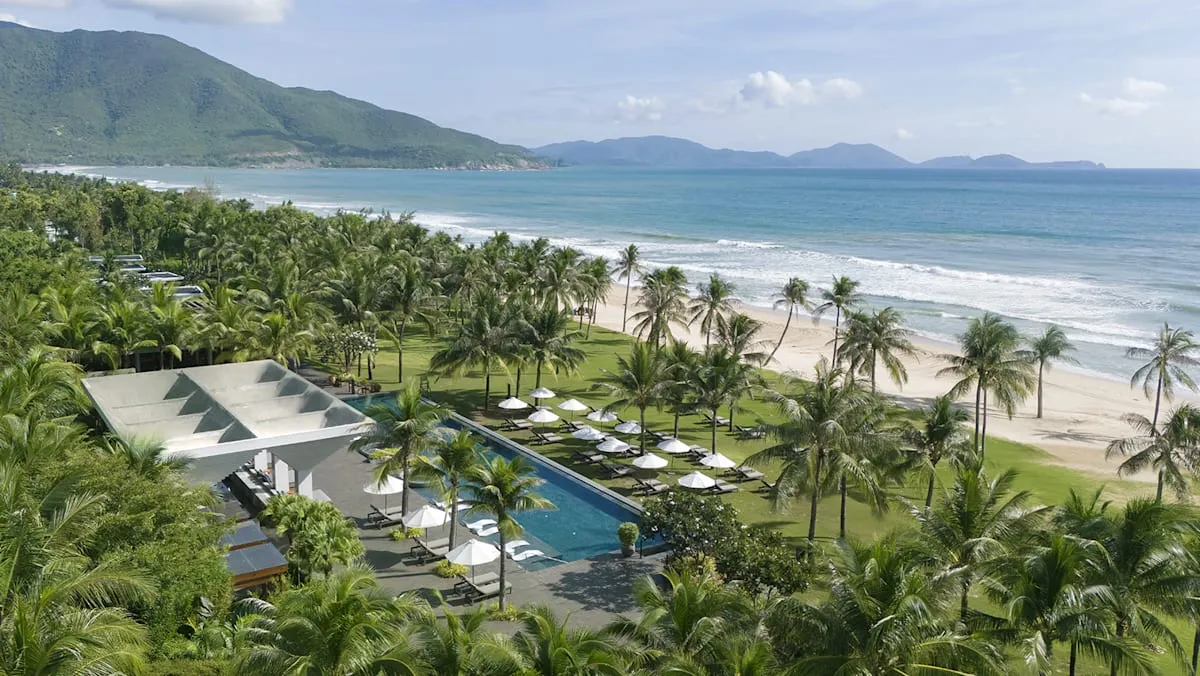
CAM RANH – The coastal region of Cam Ranh, Vietnam, is increasingly recognized not only for the captivating white sands of Bai Dai Beach. This destination, along with its nearby city of Nha Trang, is beginning to reveal its rich hidden cultural and historical heritage, offering a much deeper tourism experience beyond just a beach vacation. Anyone seeking a blend of relaxation and cultural exploration will find Cam Ranh an appealing choice in 2026.
Tourists visiting Cam Ranh will discover a rare opportunity to delve into the life and culture of the Cham people. Local communities in this area continue to preserve traditional handicrafts passed down through generations. Carving, weaving, and pottery-making are tangible examples of the Cham people's artistic legacy that continues to thrive.
Not far from Cam Ranh, the city of Nha Trang stands as a vital historical and cultural center. Various historical sites and ancient landmarks reflecting the region's long past can be found. Among its main attractions are the Long Son Pagoda with its iconic giant Buddha statue, and the magnificent Po Nagar Cham Towers, remnants of the Champa civilization.
A journey to Cam Ranh and Nha Trang offers an interesting contrast to the hustle and bustle of Ho Chi Minh City. If Ho Chi Minh City represents Vietnam's urban pulse and modernity, then Cam Ranh and Nha Trang provide a deeper sense of tranquility, history, and cultural authenticity, giving a complete picture of the country's diversity.
Cham handicrafts are more than just souvenirs; they are expressions of spirituality and identity. Every stone carving or woven pattern tells a story and carries philosophical meaning. Visitors can witness the creation process firsthand, interact with artisans, and understand their dedication to preserving traditional arts that are nearly extinct elsewhere.
Although Bai Dai Beach is the primary magnet, the Cam Ranh area also offers diverse natural landscapes. From green hills to hidden coves, there is potential for adventure activities such as hiking, cycling, or exploring traditional fishing villages that maintain a simple way of life.
The development of tourism in Cam Ranh, with an emphasis on cultural and historical aspects, not only provides economic benefits to local residents but also strengthens efforts to preserve national heritage. The government and communities collaborate to ensure that the growth of the tourism sector does not erode local authenticity and cultural sustainability.
Global tourism trends in 2026 indicate an increasing interest in destinations offering immersive and authentic experiences. Cam Ranh, with its combination of natural beauty and cultural richness, aligns perfectly with the preferences of modern travelers seeking more than just beautiful scenery, but also narratives and emotional connections.
Improved infrastructure and targeted promotion are expected to further solidify Cam Ranh's position as one of Southeast Asia's hidden gems on the tourism map. Initiatives to develop ecotourism and cultural tourism are also projected to attract a wider market segment.
Thus, Cam Ranh promises a soul-satisfying journey, offering a perfect blend of relaxation on tropical beaches and enlightenment through its rich history and vibrant Cham culture. An experience that is sure to leave a lasting impression on every visitor.
Editorial Insight: The development of tourism in Cam Ranh reflects Vietnam's strategy to diversify its tourism sector, shifting from purely natural attractions to a holistic offering that integrates culture and history. This approach not only enhances the economic value of a destination but also promotes cross-cultural understanding and supports the preservation of local heritage. The success of this model could serve as an example for other countries seeking to maximize their tourism potential sustainably.