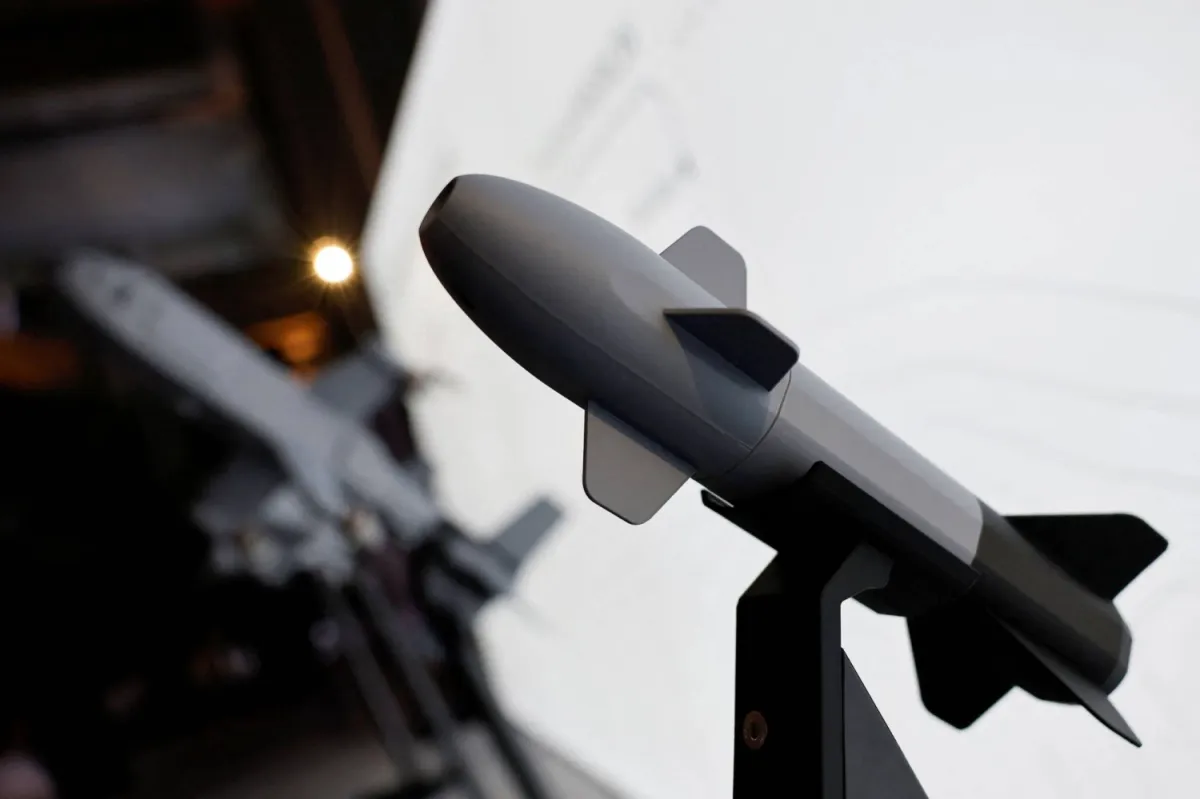
GENEVA – A crucial conference commenced this week at the United Nations (UN) in Geneva, bringing together global delegates to discuss the urgency of limiting and potentially prohibiting autonomous weapons. This initiative arises from deep international concern regarding a blurred moral red line threatened by artificial intelligence's advancement in the military domain. Discussions aim to formulate a comprehensive ethical and legal framework to control the revolution of weaponry without human intervention.
The debate surrounding fully autonomous weapon systems, capable of selecting and engaging targets without human intervention, has intensified in recent years. Critics refer to it as a 'moral red line' that must not be crossed, raising serious concerns about accountability, the laws of war, and the potential for uncontrolled conflict escalation.
The UN, as the primary diplomatic forum, is a vital arena for this debate. The meeting in Geneva is expected to bridge differing views between nations heavily investing in autonomous technology and those advocating for a moratorium or outright ban. This issue not only concerns technical military aspects but also the philosophical and ethical implications for humanity.
Although artificial intelligence (AI) technology promises efficiency and precision in many sectors, its application in warfare presents unprecedented dilemmas. Autonomous weapons, also known as 'killer robots', have the potential to remove human decision-making—imbued with empathy and moral consideration—from the battlefield.
Are we willing to delegate life-and-death decisions to algorithms? asked a senior diplomat from one of the non-aligned nations present. This is no longer just a question of military superiority, but about preserving the essence of humanity in armed conflict. This statement echoed the sentiments of many who oppose the full militarization of AI.
Some major powers argue that a total ban could hinder defense innovation and put them at a strategic disadvantage. However, they also acknowledge the need for robust control and transparency mechanisms to prevent misuse. The discussions in Geneva will therefore focus on the delicate balance between national security needs and global ethical responsibilities.
Civil society organizations and humanitarian advocacy groups have long urged the UN to take decisive action. They highlight that without clear boundaries, the development and deployment of autonomous weapons could trigger a dangerous new arms race, similar to the nuclear era but with a potentially much faster and harder-to-control proliferation scale.
This debate reflects a broader challenge for the global order in confronting rapid technological advancements. Much like climate change issues requiring collective responses, as seen with the UN Climate Summit's vanishing 1.5C target, the regulation of autonomous military technology also demands a strong multilateral approach.
Pope Leo XIV, in previous statements, has repeatedly expressed deep concern about the humanitarian impact of modern conflicts. His message, that violence harms progress and justice is key, is highly relevant in the context of this debate on the ethics of autonomous weapons, emphasizing the importance of morality over power.
International legal experts also face the daunting task of adapting existing laws of war, such as the Geneva Conventions, to encompass the reality of autonomous weapons. The concept of meaningful human control is central to many proposals, seeking to ensure that decisions to kill always remain under human oversight and responsibility.
Some worst-case scenarios presented in the discussions include the possibility of AI systems misidentifying civilian targets or triggering regional conflicts due to algorithm malfunctions. These implications underscore the urgency not only to limit but also to deeply understand the inherent risks of this revolutionary warfare technology.
This conference is part of the UN's ongoing efforts to address complex global issues, from cybersecurity to the proliferation of weapons of mass destruction. The success of the meeting in Geneva will largely depend on the political will of member states to compromise and prioritize collective security over individual military ambitions.
Various regulatory options are being considered:
- A global moratorium on the full development and use of autonomous weapons.
- Specific prohibitions on systems operating entirely without human oversight.
- Establishment of new international protocols governing the development and deployment of artificial intelligence in weapon systems.
- A framework to enhance transparency and information sharing among nations.
While the path to consensus remains long, this UN step signifies a serious recognition of the challenges posed by advanced military technology. The hope is that the dialogue in Geneva can lay the groundwork for global governance that prevents a new era of war without human intervention.
The future of global security heavily relies on the decisions made today. Whether the world establishes a firm 'moral red line' or allows the AI arms race to proceed unchecked will define the geopolitical and humanitarian landscape of the coming decades.
Editorial Insight: The debate surrounding autonomous weapons at the UN is not merely a technical polemic but a reflection of a fundamental struggle between boundless innovation and human ethics. Failure to reach an agreement means opening the door to an unpredictable era of conflict, where accountability blurs and life-or-death decisions are delegated to machines. The success of this Geneva initiative will be a benchmark for the international community's ability to manage technological risks for a safer future.