 Gabriella
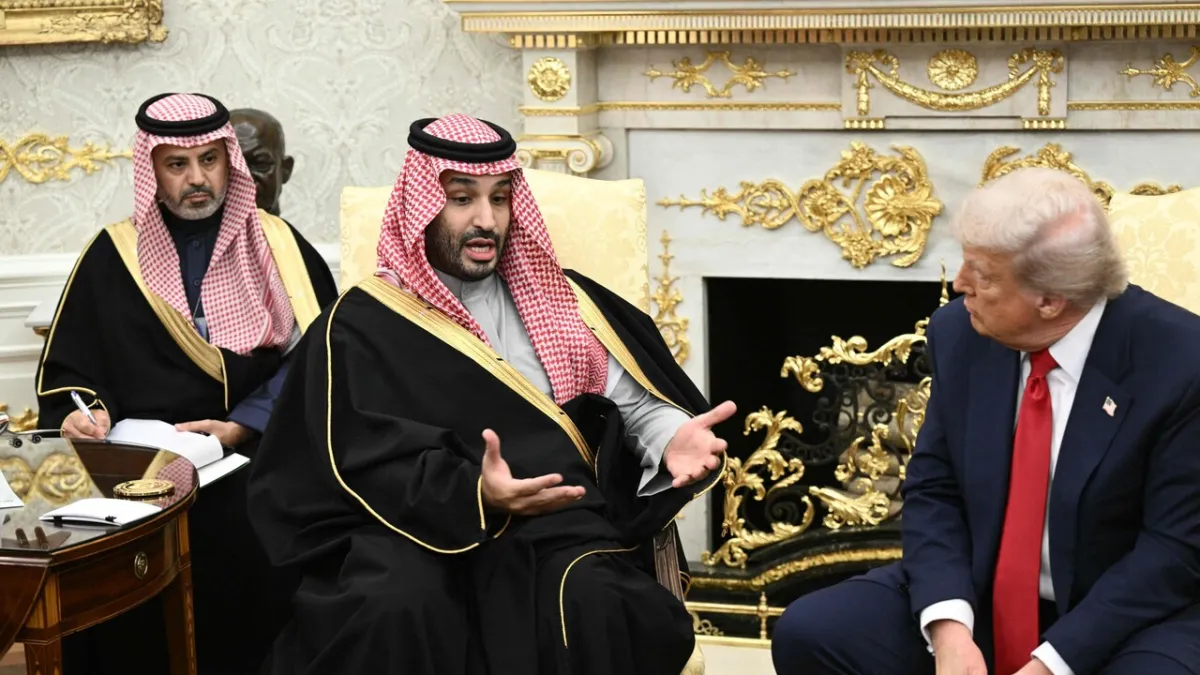
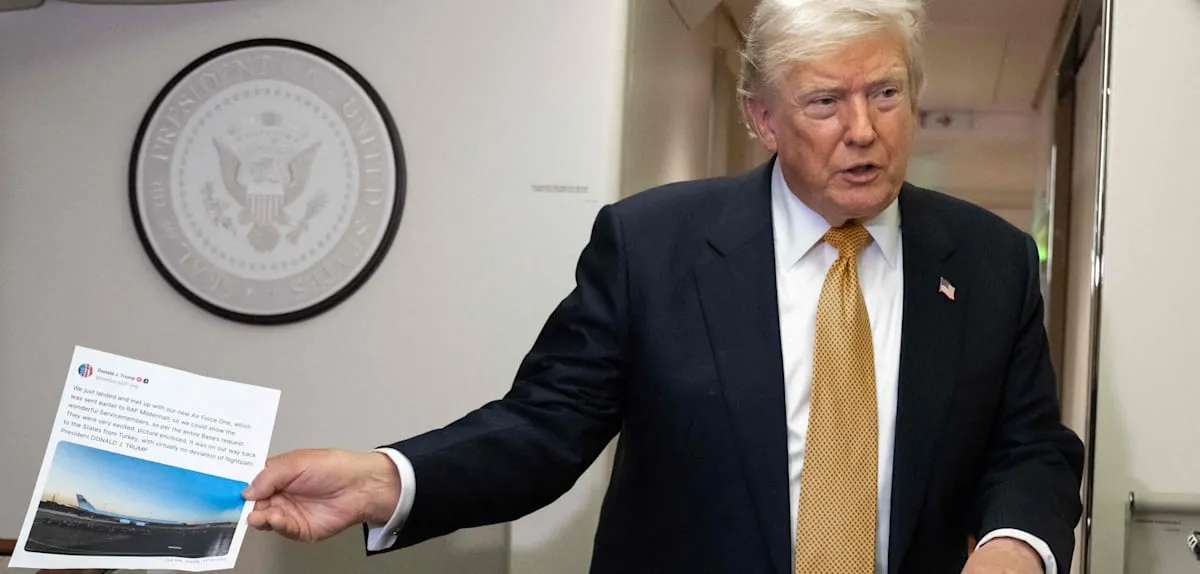
WASHINGTON — United States President, Donald Trump, recently made a surprising announcement regarding the resumption of crucial talks with the Islamic Republic of Iran. This diplomatic move, which includes discussions on Iran's controversial nuclear program, follows a significant agreement concerning the security of the Strait of Hormuz and a series of intensive dialogues with key Middle Eastern nations, including Saudi Arabia, the United Arab Emirates, and Qatar. The announcement marks a significant turning point in efforts to de-escalate regional tensions that have simmered for years.
President Trump's announcement, delivered from the White House last week, indicates a diplomatic breakthrough after a prolonged period of uncertainty and confrontation. This initiative is viewed as Washington's attempt to re-establish negotiations as the primary tool in managing complex relations with Tehran.
The main focus of the upcoming talks is not limited to restricting Iran's uranium enrichment program, but also encompasses maritime stability in the Strait of Hormuz, a vital shipping lane that serves as the main artery for global oil trade. Tensions in the region have often fueled global concerns about economic and security impacts.
The White House confirmed that a temporary cessation of military attacks or provocative actions in the region is a direct result of a series of closed-door consultations. These dialogues involved high-ranking officials from Riyadh, Abu Dhabi, Doha, and Tehran itself, demonstrating a shared commitment to de-escalation.
"We have reached a deep understanding regarding the necessity of maintaining stability in Hormuz," stated a senior administration official who requested anonymity, to the press. "This step is the foundation for broader negotiations, including the future of Iran's nuclear energy."
International geopolitical analysts cautiously welcomed the news. Professor Dr. Ahmad Rafsanjani, an international relations expert from the Middle East University, commented, "These negotiations, if successful, would be a major diplomatic achievement for President Trump in 2026. However, many obstacles remain, particularly in rebuilding eroded trust."
Nevertheless, some parties remain skeptical, given the long and tumultuous history of US-Iran relations. Concerns arise about Tehran potentially leveraging these negotiations for strategic gains, while Washington seeks to pressure Iran into complying with international nuclear non-proliferation standards.
The Iranian government itself has not yet provided a detailed official statement. However, state media reported that Tehran welcomes any initiative that could ease economic sanctions and reopen communication channels. They reiterated that Iran's nuclear program is solely for peaceful purposes.
European nations, who have historically acted as intermediaries in the Iranian nuclear issue, also expressed cautious support for the resumption of dialogue. They hope this will lead to stronger commitments to the 2015 Iran Nuclear Deal, which was previously threatened under the US's "maximum pressure" policy.
The situation in the Middle East has always been volatile. Incidents such as drone attacks and maritime tensions have attracted global attention, similar to when war escalation occurred in other regions, raising fears of a larger conflict.
Therefore, this announcement not only impacts US-Iran bilateral relations but also the broader regional balance of power. Stability in the Strait of Hormuz and the nuclear issue are two crucial pillars determining the future of global security and economy.
In the US domestic context, President Trump's move is expected to trigger various political reactions. His supporters will see this as proof of astute negotiation skills, while critics might question the consistency of foreign policy that has repeatedly shifted course.
With the resumption of negotiations, the world now awaits concrete steps from both sides. Whether this will mark the beginning of a new era of constructive diplomacy or merely a temporary pause before tensions resurface, remains too early to conclude.