 Dodi Irawan
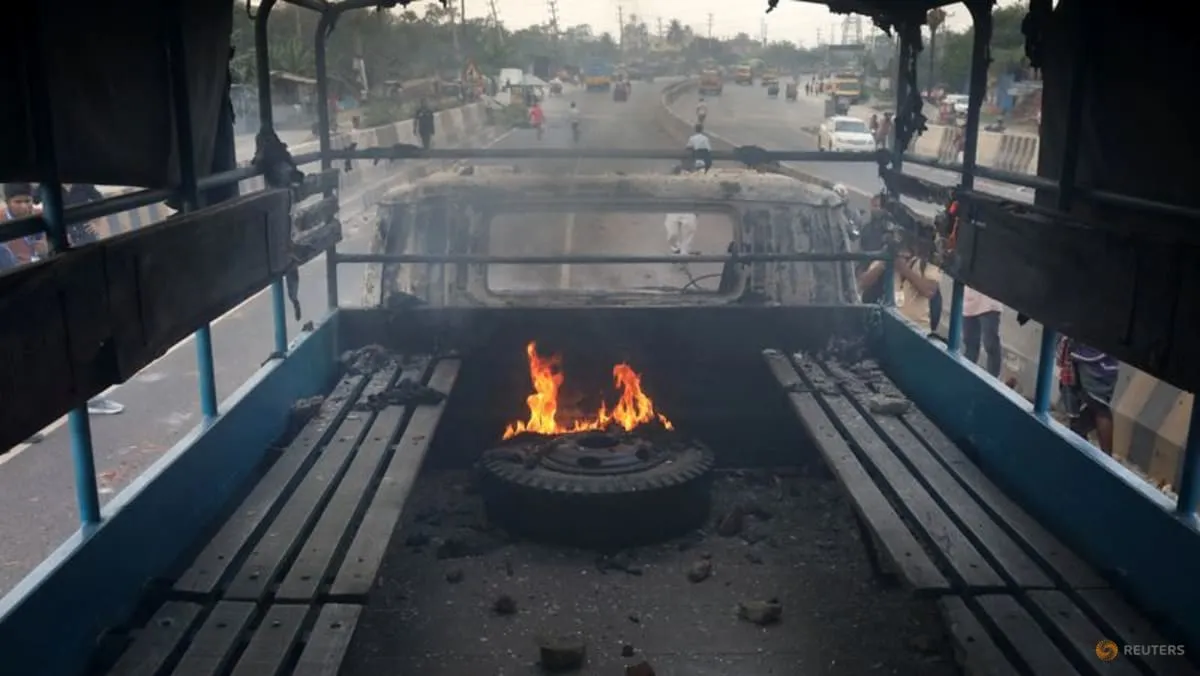
DHAKA – Thousands of garment workers in Bangladesh launched massive protests for four consecutive days in 2026, demanding significant wage increases. What began as peaceful demonstrations quickly escalated, leading to clashes in several key industrial belts around the capital, including Ashulia, Gazipur, and the Mirpur area.
Clashes were reported as workers attempted to block major highways, disrupting traffic flow and logistics. Security forces were deployed to disperse the crowds, further escalating tensions amidst urgent demands for economic justice.
These protests reflect deep frustration among garment workers facing high inflation and steadily rising living costs. They feel that the current minimum wage is no longer adequate to support their families' basic needs amid global economic pressures.
The garment industry is the backbone of Bangladesh's economy, accounting for a large portion of the nation's export revenue. However, this vital sector is often criticized for poor working conditions and low wages, fueling continuous dissatisfaction among laborers.
Garment worker protests are not a new phenomenon in Bangladesh. Over recent decades, unions and activists have repeatedly advocated for wage reforms and better working conditions, unfortunately often met with violence or delays in resolving issues.
This escalation of protests is feared to disrupt global supply chains and damage the image of Bangladesh's garment industry among international buyers. This could impact future orders and investments, hindering the country's economic growth.
The Bangladeshi government, under the leadership of Prime Minister Sheikh Hasina, is under pressure to find a sustainable solution. Balancing industrial competitiveness in the global market with meeting workers' rights demands presents a major challenge that needs immediate attention.
Union spokesperson, Ms. Farida Akter, affirmed that workers would not give up until their demands are met. 'We are not asking for luxury, just a living wage that can cover our basic necessities,' she stated in an interview.
The issue of low wages and working conditions for garment workers is also a global concern. International labor organizations and advocacy groups continue to monitor the situation in major garment-producing countries like Bangladesh, similar to the investigation into illegal workers in Changi or the unrest caused by inflation squeezing the US middle class.
Negotiations between worker representatives, factory owners, and the government are expected to commence soon to prevent further deterioration of the situation. However, as of this report, there are no signs of a significant agreement that could de-escalate tensions.
Editorial Insight: The wave of garment worker protests in Bangladesh underscores the fragile economic foundation that relies heavily on cheap labor. If the government and industry owners fail to provide concrete solutions, the escalation of conflict could threaten long-term socio-economic stability and Bangladesh's global trade reputation. A minimum wage increase is essential to uphold workers' dignity and ensure the sustainable, equitable future of the industry.