 Angela Stefani
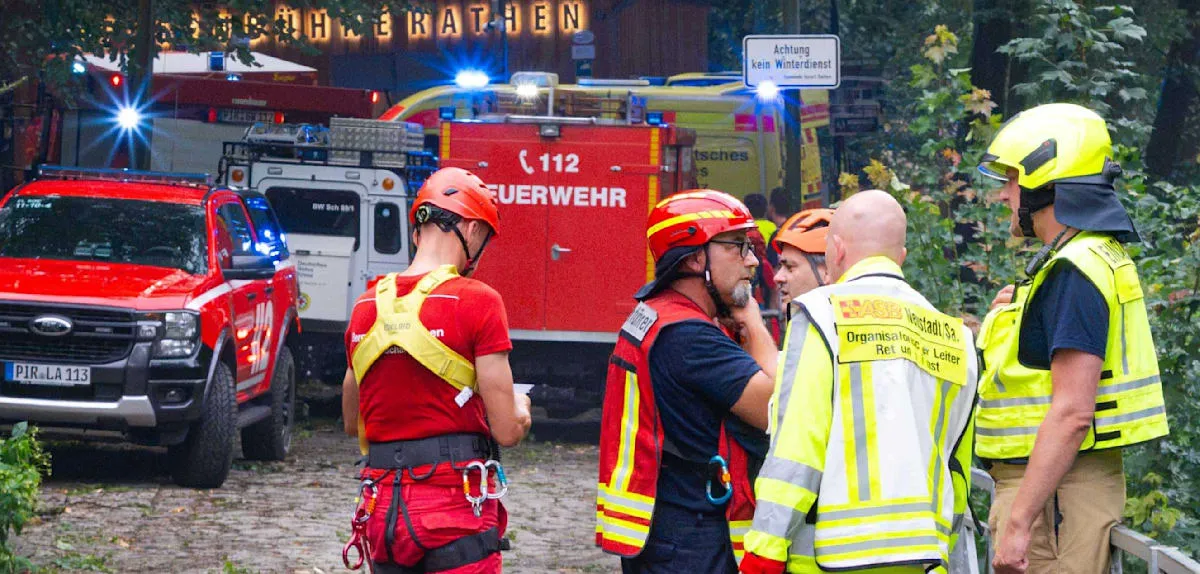
HOHES VENn – Fire shows no signs of abating in the Hohes Venn nature reserve, Belgium, which is now battling the worst wildfire in its history. This tragic incident, which has raged for days and is expected to continue for several weeks, has pushed resources and firefighting personnel to their limits.
Reports from the scene indicate that vast stretches of forest and peatland have been scorched, leaving behind a profound ecological devastation. The scale of this disaster surpasses previous wildfires, demanding a massive mobilization from various parties.
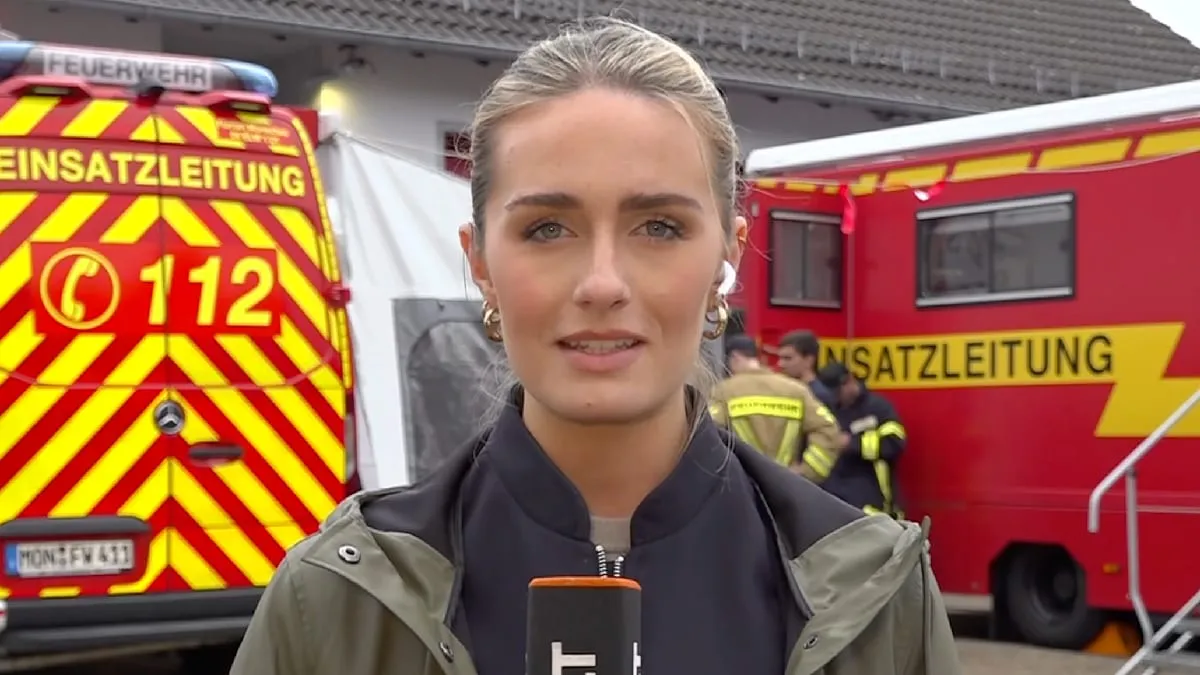
Firefighting efforts face immense challenges. Difficult terrain, constantly shifting winds, and the sheer size of the affected area are major obstacles for emergency teams. WELT reporter Greta Wagener, reporting live from the disaster zone, underscored the critical conditions on the ground.
Material and people are truly reaching their limits, said an unnamed firefighter, quoted in the report. The availability of water, equipment, and especially the stamina of the personnel, are crucial issues threatening the sustainability of long-term firefighting operations.
The ecological damage from this fire is immeasurable. Hohes Venn, one of Europes largest high-altitude peatland ecosystems, is a vital habitat for endemic flora and fauna. The loss of this habitat will have long-term impacts on the regions biodiversity.
The Belgian government has activated emergency status, requesting assistance from neighboring countries to address the crisis. Cross-border coordination efforts are underway to deploy more resources, including firefighting aircraft and additional personnel, to expedite disaster management.
While the exact cause of the fire remains under investigation, environmental experts highlight the role of climate change, which has triggered longer and more intense dry seasons across many parts of Europe. Extreme dry conditions create an environment highly susceptible to wildfire incidents, similar to reports regarding forest fires on the German-Belgian border which also raised similar concerns.
Rehabilitation of Hohes Venn is expected to take years, even decades. Scientific and conservation communities urge the government to immediately formulate a long-term plan for the restoration of this severely damaged ecosystem, not only to restore the environment but also to prevent similar disasters in the future.
Solidarity from civil society is also emerging, with various organizations raising funds and volunteers to assist in firefighting and post-disaster efforts. This crisis serves as a bitter reminder of the fragility of natural ecosystems in the face of climate change and the urgency of more aggressive preventive actions.
Editorial Insight: The Hohes Venn fire is not merely a local disaster; it is a symptom of the global ecosystems fragility due to increasingly extreme climate change. The scale of this incident demands a collective response that goes beyond emergency firefighting. The Belgian government and the European Union must invest more in climate change mitigation, sustainable forest management, and more effective early warning systems. Failure to adapt to this new climate reality will continue to result in unimaginable losses, both ecologically and economically.