 Gabriella
JAKARTA – A groundbreaking study released earlier this year reveals a startling fact: the severe forest and land fires (karhutla) that ravaged Indonesia throughout 2026 were not merely ordinary natural phenomena but were significantly exacerbated by an intense combination of El Nino and global climate change. These findings explain why toxic haze enveloped cities across various regions and neighboring countries such as Singapore and Malaysia, triggering a serious health and environmental crisis.
The research, published by a consortium of international climate and environmental scientists, highlights the complex interaction between extreme weather patterns brought by El Nino and long-term global warming trends. Satellite data and atmospheric analyses indicate that 2026 was one of the hottest and driest periods in Indonesia's history, creating supercharged conditions ideal for widespread fires.
Researchers identified that prolonged droughts due to El Nino reduced water levels in peatlands and forest vegetation, transforming them into highly flammable fuel. Simultaneously, rising global temperatures accelerated this drying process and extended the dry season, making firefighting efforts significantly more challenging.
We are not just facing El Nino; we are facing El Nino within a climate that has warmed considerably, stated Dr. Karina Wijaya, one of the lead researchers from the National Climate and Atmospheric Research Center, during a press conference in Jakarta. This is no longer just an annual event; it is a warning signal about our vulnerability to the climate crisis.
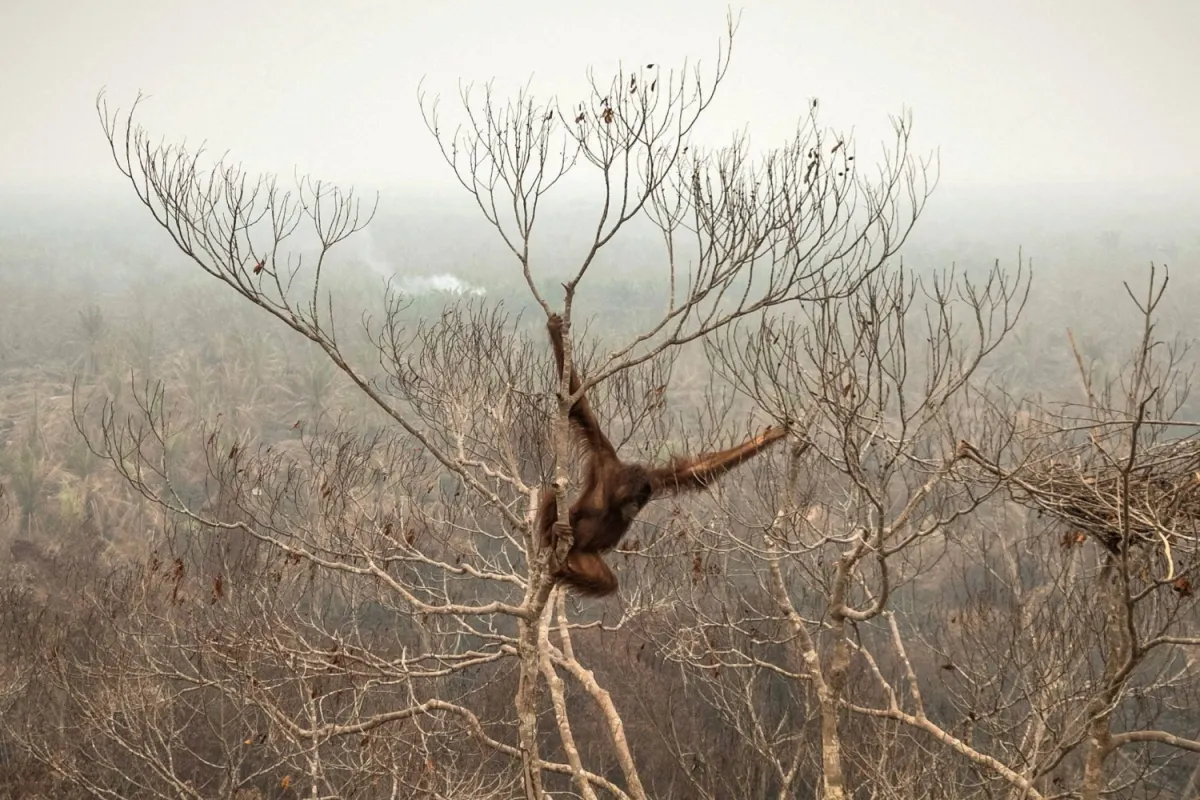
The 2026 forest and land fire season, described as the worst in several years, has caused multidimensional impacts. Besides massive respiratory health disruptions for millions of inhabitants, economic losses from disrupted transportation and productivity also reached fantastic figures. Vital ecosystems, including orangutan habitats and endemic flora, face severe extinction threats.
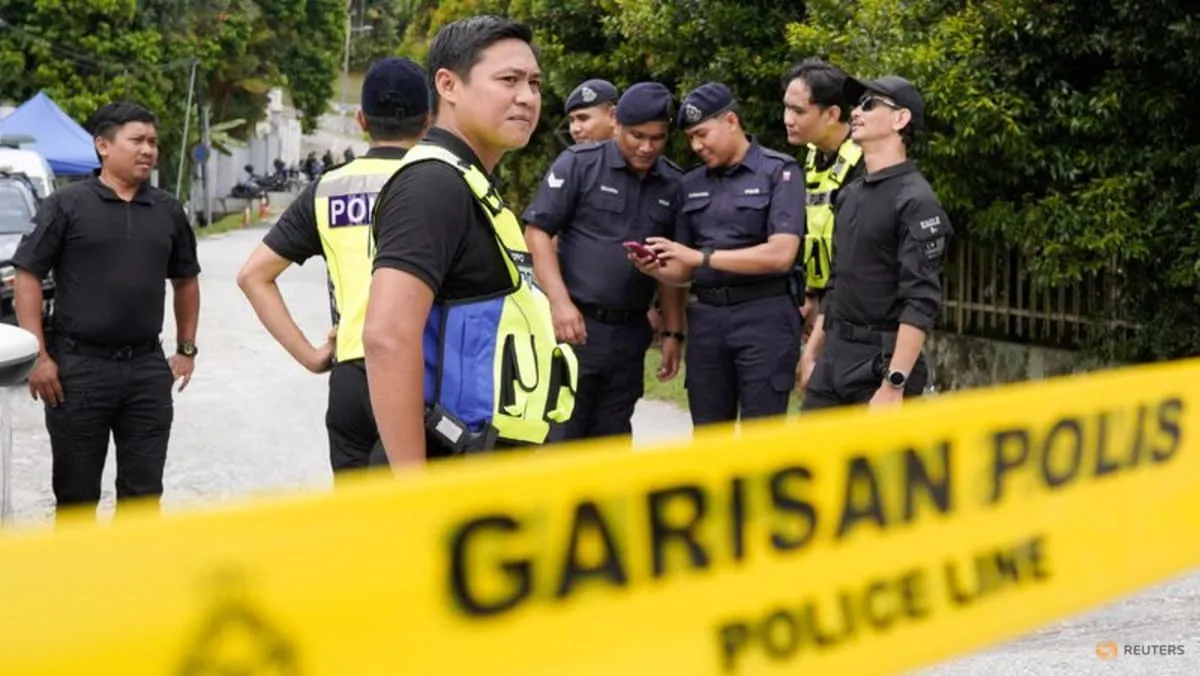
The Indonesian government, under the leadership of President Prabowo Subianto, deployed thousands of joint personnel from the TNI (Indonesian National Armed Forces), Polri (Indonesian National Police), and BNPB (National Disaster Management Agency) to extinguish the fires. However, the immense scale of the disaster demands more comprehensive long-term solutions.
Preventive measures, such as peatland restoration and law enforcement against land clearers, need to be drastically strengthened. Public education on the dangers of land burning is also a priority to prevent similar tragedies from recurring in the future.
International environmental organizations have also highlighted the study's findings as tangible evidence of the need for more aggressive climate action. The climate crisis is not a future threat; it is happening now, here, in Indonesia's forests, said a representative from Greenpeace Southeast Asia. This statement aligns with calls from global climate activists like Greta Thunberg who continuously voice the urgency of the climate crisis. (Reference: Greta Thunberg Rocks COP31: Climate Crisis a Matter of Life and Death!).
Given projections that the frequency and intensity of El Nino may increase with climate change, experts urge governments and the international community to invest more in early warning systems and adaptive mitigation strategies. This includes developing more drought-resistant crop varieties and more advanced firefighting technologies.
Editorial Insight:
This study is not merely an academic report; it is a loud alarm for all stakeholders, from governments to civil society. The response to the 2026 karhutla can no longer be solely reactive. A paradigm shift towards sustainable landscape management is needed, focusing on climate change mitigation and adaptation to its impacts. Without decisive and coordinated action, the threat of haze disasters will continue to haunt Indonesia and the region, sacrificing public health and environmental sustainability.