 Demian Sahputra
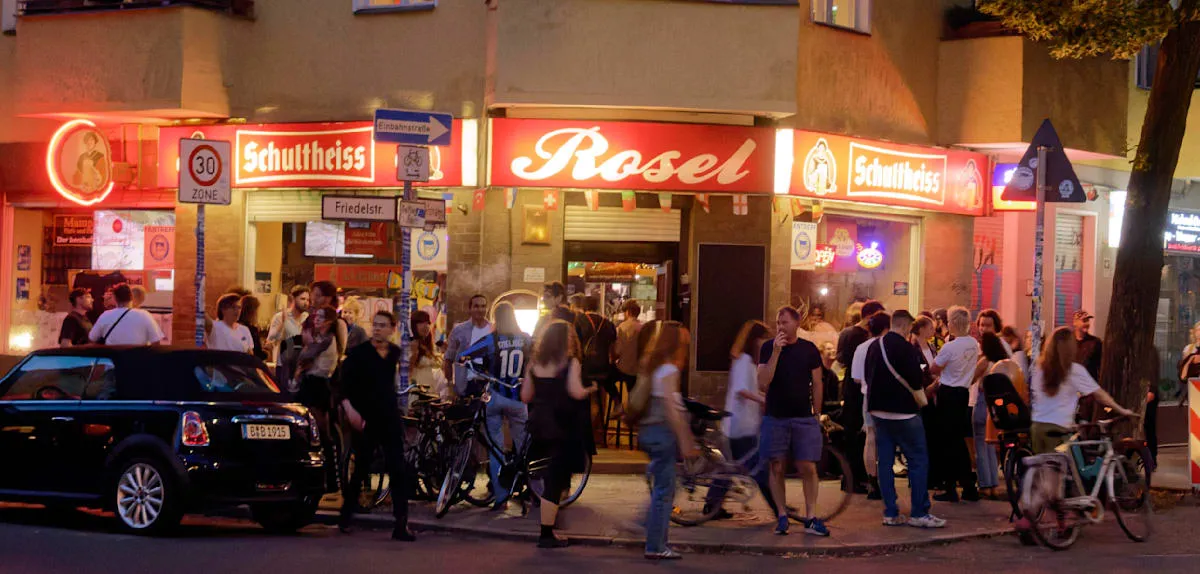
BERLIN — The latest policy by the Berlin City Government, set to extend operating hours for outdoor areas of restaurants and bars in popular entertainment districts starting in early 2026, is now igniting significant dissatisfaction and threats of legal action from various stakeholders. This regulation, ostensibly aimed at revitalizing the city’s nightlife economy, has unexpectedly created deep polarization among residents and businesses.
The Berlin City Government argues that this new regulation will provide greater flexibility for the hospitality and tourism sectors, which have struggled considerably post-pandemic. By allowing outdoor areas to operate until late at night, it is hoped to attract more tourists and boost local revenue. However, these hopes clash with realities on the ground.
Several resident associations and local community groups in districts such as Kreuzberg, Neukölln, and Mitte have voiced serious objections. They complain about the potential increase in noise, litter, and public disturbances that would detrimentally affect their quality of life. “We are not against economic progress, but peace and quiet in our environment are fundamental rights,” stated a representative from Prenzlauer Berg residents during a virtual press conference held earlier this week.
This negative reaction is not unfounded. Previous experiences indicate that extended operating hours often correlate with an increase in noise disturbance incidents and vandalism. Residents fear their neighborhoods will transform into permanent, unrestricted party zones.
Conversely, restaurant and bar owners largely welcome the policy, albeit with nuanced perspectives. For them, it represents an opportunity to optimize business capacity, especially during summer, and compete more effectively with other European metropolitan cities. Sabine Müller, Chairperson of the Berlin Culinary Entrepreneurs Association (KVB), articulated, “This initiative is crucial for maintaining the dynamism of our businesses amidst global competition.”
However, the KVB also emphasizes the need for clear implementing regulations concerning noise limits and strict law enforcement. Without a strong legal framework, they worry that this policy might instead lead to chaos and prolonged conflicts between businesses and residents.
Legal action is imminent. Several law firms have reportedly been contacted by resident associations to review the legality of the new policy. They plan to file lawsuits with the administrative court, challenging aspects of human rights related to peaceful living and the environmental impact of this regulation.
Michael Schmidt, spokesperson for the Berlin Senate, affirmed that the city government had considered all aspects before making its decision. “We will continue to monitor implementation and are prepared for dialogue to find the best common ground for all parties,” he said. Schmidt added that the primary goal is to strike a balance between economic interests and citizen welfare.
This situation reflects a common dilemma faced by major cities: how to balance economic growth and identity as an entertainment hub with the need for a harmonious living environment for its residents. The anticipated legal battles will set a significant precedent for the future of urban regulations across Germany.
Various parties now await further steps from the Berlin Senate and resident associations. Will this policy be revised, or will protracted legal conflicts be the only way to resolution? Only time will tell.