 Demian Sahputra
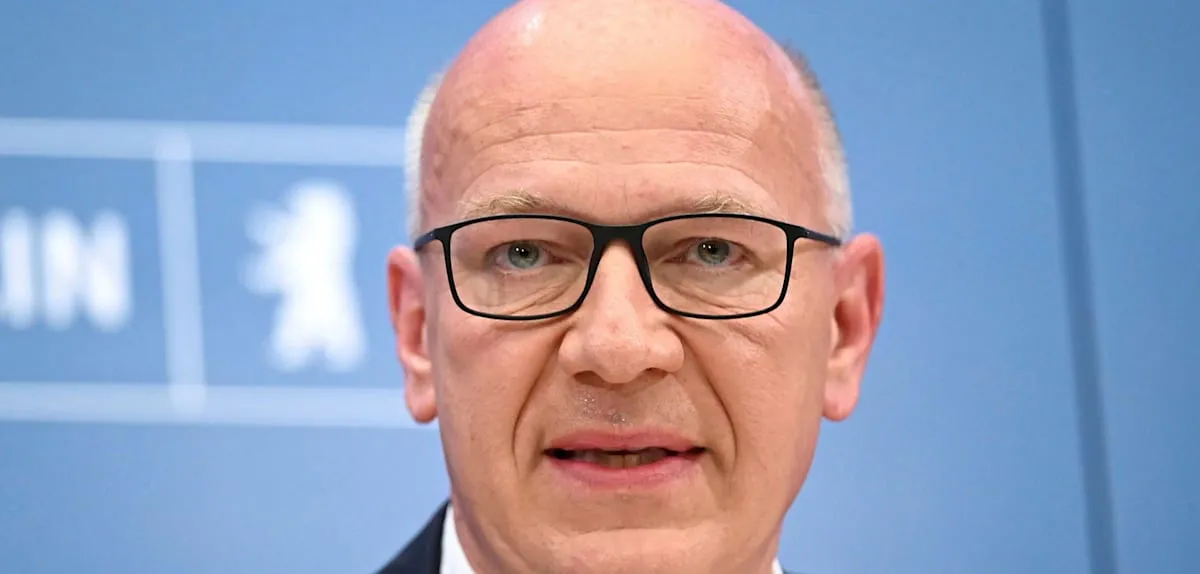
BERLIN — Berlin Mayor Kai Wegner once again faces intense public and political scrutiny after his communication handling of the January 3, 2026 power outage crisis drew sharp criticism. In an effort to quell the controversy, Wegner issued a defense via the social media platform X, admitting that his previous statements had created a misleading impression among the public.
Wegner asserted that he had made two crucial phone calls before 1:00 PM on the day of the incident, January 3. This defense emerged amid increasing pressure and accusations that he was less transparent or even dishonest in managing information to the public regarding the incident that temporarily paralyzed parts of the German capital.
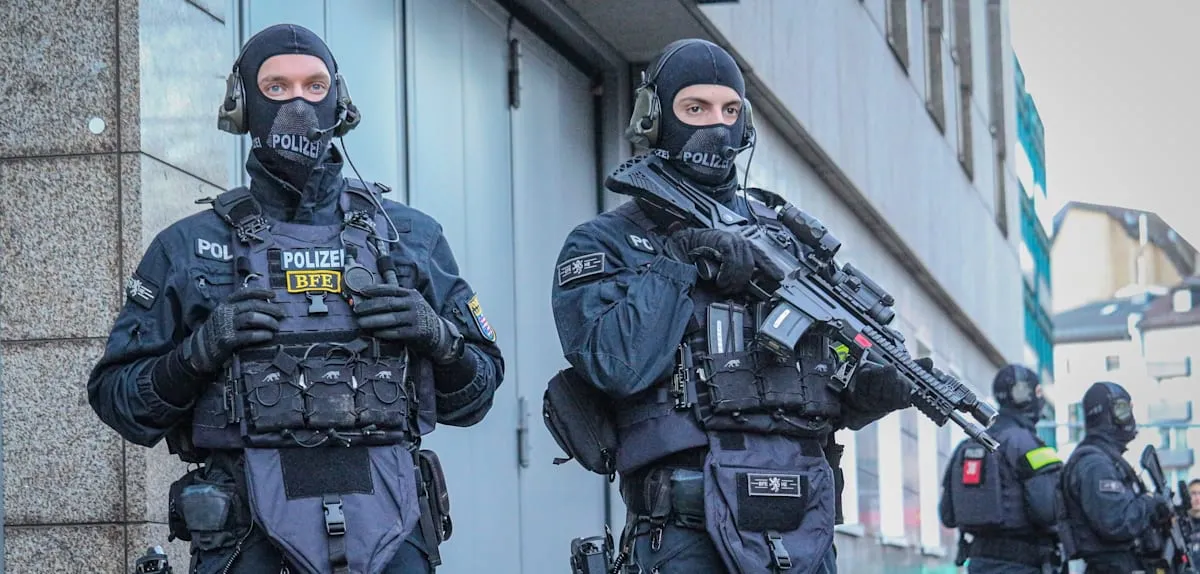
The power crisis in Berlin, which occurred in early January 2026, caused significant disruptions to public services and daily life for residents. The information management from the city government, particularly from the Mayor's office, has been questioned by various groups from the outset.
Opposition factions in the Berlin Parliament collectively demanded a more detailed and accountable explanation from Wegner. They considered the Mayor's initial response to the incident inadequate and perceived it as an attempt to conceal the true facts regarding the severity of the crisis and the handling measures taken.
As previously reported by this media, "Berlin Scandal: Wegner Rocked by Accusations of Lying About 2026 Power Crisis", pressure on the Mayor had indeed reached its peak. That article highlighted alleged discrepancies between official statements and on-the-ground reality, which fueled public distrust.
In his X post, Kai Wegner stated, "I truly regret the impression created by my statements. I made two important phone calls before 1:00 PM on January 3." This statement aimed to show that he was not inactive and was actively responding to the situation.
However, this statement paradoxically sparked a new debate. Critics questioned the substance of these two phone calls. They demanded further information about who was contacted, what was discussed, and why this information was not immediately conveyed to the public as part of a comprehensive crisis communication effort.
Several public communication experts assess that Wegner's crisis management is still far from optimal. The delay in providing full clarification and the use of social media as the primary channel for self-defense, rather than an official press conference, are seen as likely to muddy the waters and lead to more speculation.
This power crisis incident represents a significant test for Kai Wegner's leadership in Berlin. Accountability and transparency are key to restoring public trust, which is now beginning to erode. The public awaits a clearer and more consistent explanation from the city government.
Political communication issues often boomerang on public officials, especially in emergency situations. Wegner's case serves as a reminder of the importance of a proactive, honest, and structured communication strategy to prevent misinformation and to avert accusations of dishonesty that can damage reputation.
Coalition parties in the Berlin Parliament, though not yet issuing official condemnations, are reportedly urging Wegner to take concrete steps immediately. They want the Mayor to present clear data and a chronology to mitigate the wave of protests from citizens and the media.
Now, the hot potato is in Kai Wegner's hands. His ability to overcome this crisis of confidence will determine the stability of his administration and public perception of his leadership effectiveness in one of Europe's most important cities. The public awaits his next move, whether he chooses open dialogue or adheres to sporadic defenses.