 Angel Doris
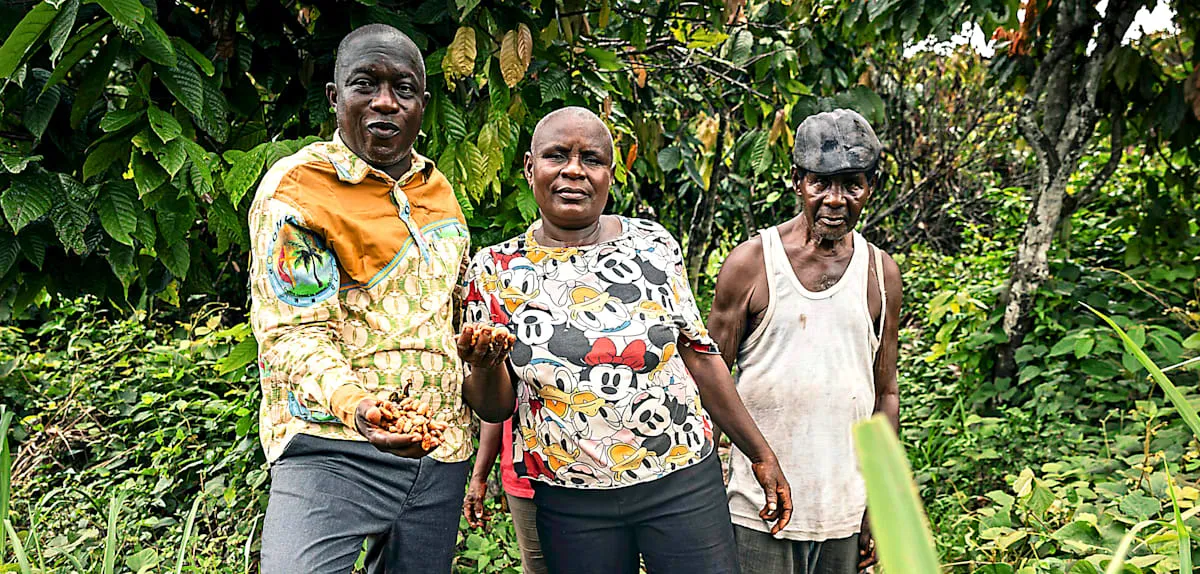
Ivory Coast — Cocoa farmers in the heart of West Africa now face a bitter reality. Two years ago, specifically in 2024, global cocoa bean prices reached their peak, creating a false euphoria that never truly benefited the primary producers in Ivory Coast. Ironically, entering 2026, they are plunged into a new crisis due to plummeting prices, exacerbating already vulnerable economic conditions.
This phenomenon presents a striking economic paradox: while global consumers enjoy chocolate products, the cocoa growers, who are the backbone of the industry, struggle to survive. Our journalistic team conducted a direct field visit to cocoa farming centers in this world's largest producing country, uncovering the poignant stories of farmers trapped in an unfair supply chain.
In 2024, the surge in global cocoa prices was driven by various factors, including high demand and supply issues. However, these massive profits were largely absorbed by intermediaries and multinational corporations, leaving farmers with insignificant incomes. Many farmers were even unaware that the commodity they cultivated was reaching record highs in international markets.
Now, in 2026, the situation has reversed 180 degrees. Cocoa prices have sharply declined, falling far below expectations, and even below production costs for most farmers. This has led to them accumulating debt and struggling to meet basic family needs. Existing government programs are often insufficient to stabilize their incomes amidst brutal global market fluctuations.
A cocoa farmer named Koffi (a pseudonym), who has been cultivating cocoa for three decades in the Divo region, shared his grievances. \"In 2024, we were told the price was good, but we only received a little more than before. Now, the price has crashed, and we don't know how we can live. My children need school, my wife needs food,\" he said with a desperate tone. Koffi's story mirrors many other farmers around him.
The Ivorian government, through the Coffee and Cocoa Council (Conseil du Café-Cacao or CCC), attempts to implement floor prices to protect farmers. However, this mechanism is often not fully effective in countering global market pressures and non-transparent trading practices at the local level. Oversight of middlemen and small exporters remains a significant challenge.
Global economic analysts highlight that this issue is not merely about price fluctuations, but also about the imbalanced structure of the cocoa industry. West African producing countries account for about 70% of the world's cocoa, yet receive only a fraction of the global chocolate market's total value, which amounts to billions of dollars.
The situation raises serious questions regarding fair trade and the social responsibility of large corporations dominating the chocolate industry. Pressure for cheaper prices from major buyers often directly burdens the most vulnerable farmers.
This crisis has the potential to trigger wider social consequences, including increased migration from rural to urban areas, or even illegal migration to Europe, as seen in news reports concerning the Ceuta Crisis 2026: Europe Divided, Morocco Denies Migrant Data!. Young generations may be reluctant to continue the tradition of cocoa farming if economic prospects remain bleak.
Crop diversification efforts and increasing the added value of cocoa products at the farmer level are urgent long-term solutions. However, this requires significant investment, access to fairer markets, and education for farmers on sustainable agricultural practices and business management.
Our visit to Ivory Coast reveals that behind the glamour of the global chocolate industry lies unseen suffering. The peak cocoa prices of 2024 were merely an unfulfilled dream for them, and now in 2026, they risk falling deeper into poverty.
Calls for supply chain transparency and fairer pricing are increasingly voiced by non-governmental organizations. They urge global chocolate companies to pay a premium price that allows farmers to earn a decent living wage and invest in sustainability.
Without significant intervention and real commitment from all stakeholders in the value chain, the \"bitter cocoa boom\" will continue to be a tragic story for millions of farmers in Ivory Coast and other cocoa-producing countries. The condition of these cocoa farmers reflects major challenges in achieving an inclusive and sustainable global economy.