 Angel Doris
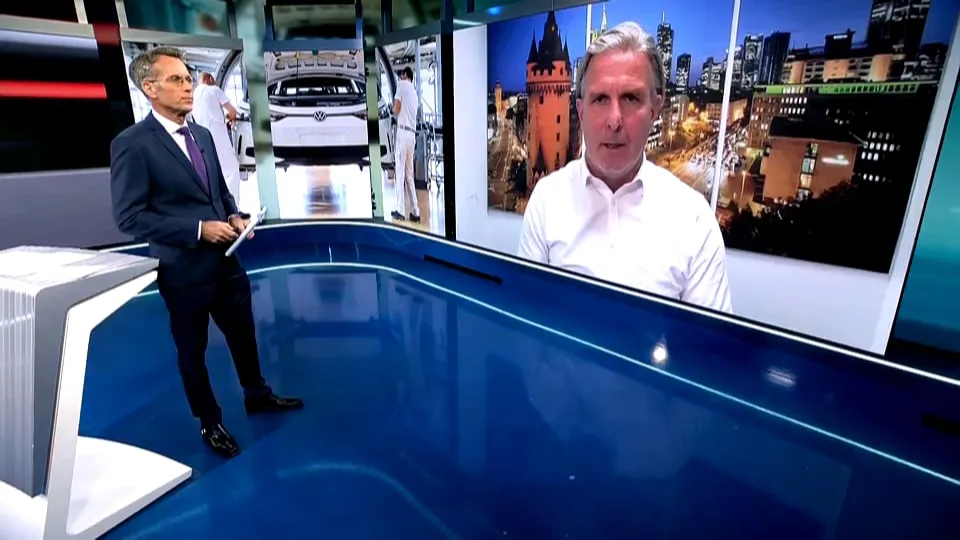
Wolfsburg, Germany — The German automotive giant, Volkswagen (VW), has sent shockwaves through the global market with a groundbreaking strategic announcement. The company plans to halve its vehicle model lineup outside China and targets an annual production reduction to 9 million units by 2035. This radical decision is seen as a "liberation blow" from the burden of overcapacities, particularly in the European market, according to market analysts.
This aggressive consolidation move marks a significant paradigm shift in Volkswagen's long-term strategy. The focus is no longer solely on volume expansion, but rather on optimizing the product portfolio and operational efficiency. Models deemed less profitable or functionally overlapping will be the primary targets for streamlining.
Oliver Roth, a prominent stock market strategist, highlighted the urgency of this decision. "There are overcapacities, also in Germany, that must be reduced," Roth stated. This statement affirms that VW's strategy is not just a response to global market dynamics, but also an internal necessity for healthier restructuring.
The global automotive industry is in flux. The transition towards electric vehicles, fierce competition from aggressive Chinese manufacturers, and rising production costs are squeezing profit margins. Therefore, Volkswagen's move to cut models and production is considered a crucial adaptation effort to remain competitive in the future.
The review of the product portfolio outside China indicates that VW will prioritize innovation in key segments, especially in electric vehicles and digital technologies. This is expected to create more value for consumers and investors, while simultaneously reducing complexity in the supply chain and marketing.
The impact of this decision is expected to be significant across several production facilities, including those in Germany. Although the main goal is efficiency, potential workforce adjustments and resource reallocation cannot be avoided. Germany's industrial sector itself faces challenges, as seen in reports regarding crippled infrastructure and severe congestion stifling industries in Northern Germany.
Analysis from various parties suggests that this policy, though bold, has the potential to trigger a long-term surge in share prices. Investors tend to favor companies that demonstrate capital discipline and focus on profitability, even if it means sacrificing some sales volume.
This shift in focus from volume to profitability and innovation aligns with trends adopted by many other automotive giants striving for relevance in a new era. Volkswagen aims to position itself as a leader in sustainable mobility, not merely a mass vehicle producer.
This transformation also reflects VW management's belief that the future automotive market will be dominated by premium segments, electric vehicles, and integrated mobility services. By reducing conventional models, the company frees up resources for investment in these areas.
Certainly, the journey towards 2035 will not be without obstacles. Implementing this ambitious plan requires careful coordination, transparent communication with labor unions, and the ability to continuously innovate amidst relentless competition. However, for Oliver Roth, this is the necessary "liberation" for a more resilient Volkswagen future.