 Edward DP Situmorang
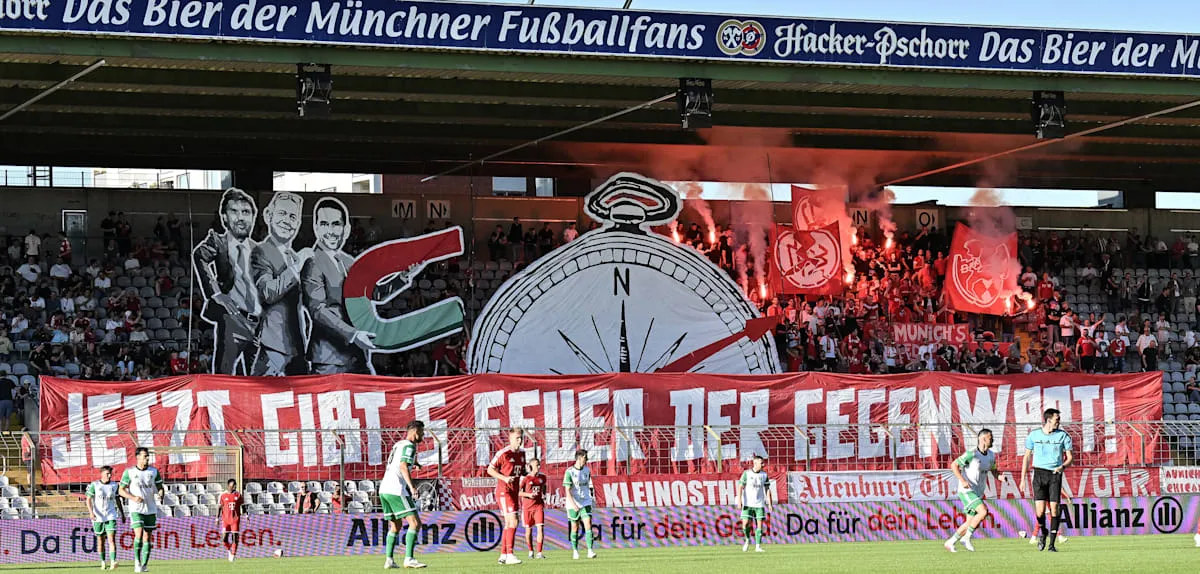
Massive protests are once again shaking German football arenas following the controversial policies of the German Football Association (DFB) regarding regional league reforms. Thousands of supporters from various Bundesliga and lower-division clubs, since the start of the 2026 competitive season, have voiced their anger, accusing the DFB of opportunistic practices and deception that undermine the integrity of the country's football pyramid system.
This unrest stems from the DFB's decision to reform the structure of the Regionalliga, the fourth tier in German football hierarchy. Many fans believe these changes have worsened conditions rather than improving the quality or fairness of the competition. The new promotion and relegation system is deemed opaque and beneficial to certain parties.
Several hardcore fan groups, such as Südkurve 2026 and Ultras Deutschland, have launched a series of actions. They unfurled banners with strong condemnations against the DFB in stadium stands, chanted rejection slogans, and occasionally staged partial boycotts in some crucial matches.
Accusations of “opportunism” are directed at the DFB for allegedly prioritizing short-term financial and political interests over the long-term welfare of regional clubs and grassroots fan bases. Critics argue that the reforms were designed to strengthen the position of large clubs, sacrificing smaller teams that form the backbone of local talent development.
In addition to opportunism, allegations of “deception” have also emerged. Supporters feel the DFB has broken previous promises to create a fairer and more sustainable league structure. Minimal communication and a closed decision-making process further strengthen negative perceptions among the football public.
Berlin — This situation places the DFB under sharp scrutiny. As the highest governing body of German football, the federation is expected to maintain harmony and trust among all stakeholders, from professional to amateur clubs, and millions of loyal fans. Failure to address these concerns could trigger a deeper crisis of confidence.
A spokesperson from the German Supporters' Coalition, who wished to remain anonymous, stated, “The DFB has betrayed the fundamental values of German football. This reform is a step backward that only benefits a select elite. We will not stop fighting until justice is served and the voices of supporters are heard.”
Protest incidents are not limited to Bundesliga matches. Regionalliga matches, which should be a platform for developing young players and community clubs, are also often colored by expressions of dissatisfaction. The match atmosphere has become tense, far from the expected sporting spirit.
The threat of larger protest waves looms over the DFB. Without concrete responses and open dialogue, it is possible that actions could escalate to levels that disrupt the smooth running of competitions. Some parties even speculate about the possibility of mass boycotts or demonstrations outside DFB offices.
Similar situations have occurred in German football history, where controversial policies triggered strong reactions from supporters. History shows that fan power can force change, indicating that the DFB cannot simply ignore these demands.
This wave of dissatisfaction is not separate from a broader trend in German sports, where issues of governance and federation priorities often come under scrutiny. For example, criticism from German synchronized swimmers regarding the priority given to influencers over championship talent reflects a similar pattern in the allocation of resources and attention within national sports federations. This indicates an urgent need for transparency and accountability from sports institutions, including the DFB. German Synchronized Swimmers Frustrated: Influencers Prioritized Over Championship Talent.
The German government, through the Ministry of Interior and Sports, has not yet issued an official statement regarding this dispute. However, public and national media pressure continues to mount for the DFB to promptly find a comprehensive solution that can ease tensions and restore supporter trust.
Senior football observers, such as Dr. Klaus Müller from the Cologne Sports University, believe that the DFB is at a crossroads. “The DFB's credibility is at stake. They must demonstrate the ability to listen and act for the good of football as a whole, not just certain segments,” he remarked.
Solutions hoped for by fans include a complete review of the Regionalliga reforms, the formation of a dialogue committee involving supporter representatives, and increased transparency in all strategic decision-making.
The future of German regional football, which forms the foundation for the national team and the Bundesliga, now depends on the DFB's willingness to embrace criticism and engage in constructive dialogue with the aggrieved parties.