 Chandra Wijayanto
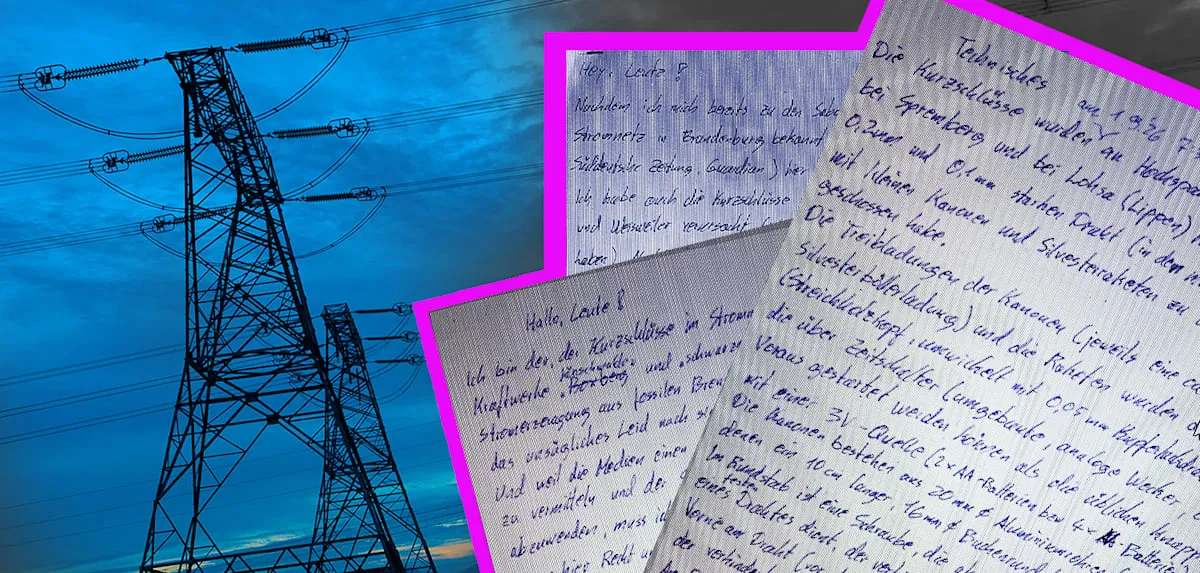
Berlin – A fugitive wanted across Europe has now claimed responsibility for a series of attacks on vital electricity substations in Germany. The individual, affiliated with the left-wing extremist movement, explicitly stated that the target of his actions is the fossil fuel industry, not the German state itself. This astonishing confession was revealed through exclusive letters received by the prominent media outlet, WELT, which delved into the matter in 2026.
The letters, astonishing in their detail, provide direct insight into the perpetrator's motives and ideology. He explained that his attacks are a form of protest against corporate entities deemed to be harming the environment and fueling conflicts, rather than an act of aggression against national sovereignty or the German people.
The primary focus of the perpetrator's narrative is the fossil fuel industry. He argues that this sector is the root cause of the global climate crisis and geopolitical conflicts. This statement confirms a shift in strategy among certain extremist groups, who are now targeting economic infrastructure rather than traditional political symbols.
In addition to the fossil fuel industry, the man also expressed his views on Palestine and the defense industry. The connection between these issues indicates that his motivations extend beyond mere environmental activism, encompassing anti-imperialist and anti-militarist dimensions often characteristic of left-wing extremist ideologies.
European authorities have identified this individual as a serious threat. His whereabouts, along with his confession of sabotage, have triggered heightened vigilance across the continent. German security intelligence, in particular, is working diligently to analyze every detail of the uncovered communications.
Attacks on energy infrastructure have the potential for widespread impact, from disruptions in electricity supply to economic chaos. This incident recalls previous warnings about the threat of substation sabotage in Germany, demonstrating the vulnerability of vital systems to organized attacks.
The man's connection to left-wing extremists is also under scrutiny. This raises questions about the extent to which this network operates and their potential for coordinating similar actions in the future. Law enforcement now faces new challenges in mitigating risks from groups adopting unconventional tactics.
Germany, as an economic and industrial powerhouse in Europe, heavily relies on the stability of its energy infrastructure. Such sabotage not only disrupts operations but also sends a strong message about the system's vulnerability in the face of determined individuals or groups.
The German government has not yet issued an official statement regarding this confession, but law enforcement is conducting an extensive investigation. The public is urged to remain calm but vigilant, while efforts to track down the fugitive are intensified across various European Union member states.
This event also has the potential to spark further debate regarding the cyber and physical security of vital infrastructure. As threats evolve, defense strategies must also adapt, encompassing not only external attacks but also internal threats motivated by extremist ideologies.
Editorial Insight: This fugitive's confession marks an evolution in extremist tactics, shifting from direct violence against individuals to the sabotage of strategic infrastructure. The focus on the fossil fuel industry and defense industry reflects a growing anti-capitalist and anti-war narrative. This incident highlights the urgency for European nations to not only enhance physical security but also proactively address the ideological roots fueling extremist actions, while navigating the increasingly complex energy challenges of 2026.