 Gabriella
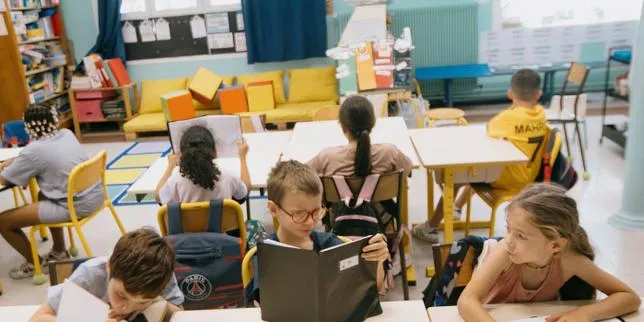
PARIS – The issue of educational system inequality has emerged as one of the critical stakes leading up to the French presidential election in 2027. Amid discussions of class closures and structural adjustments, territorial disparities in the school system are expected to intensify, deepening existing societal divides.
This fact was revealed through analyses by several education and social observers who highlight the impact of current policies and demographic dynamics. They warn that without serious intervention, millions of French children risk losing access to equitable and quality education.
The fundamental problem lies in the persistent disparities that have long plagued the French education system. Notably, the sharp differences between public and private schools, and the dichotomy between classic education and priority education programs aimed at regions with higher socio-economic challenges.
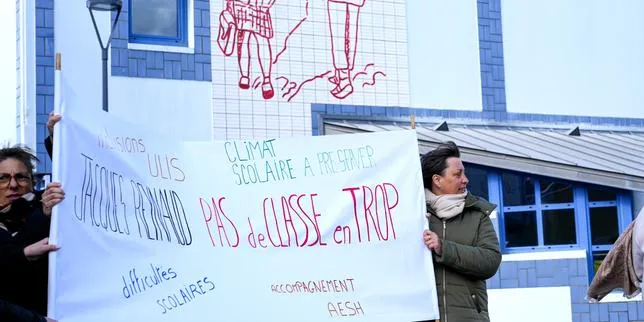
Class closures, which often occur in rural or suburban areas, are not merely administrative issues. They reflect a demographic and economic crisis afflicting certain regions, as highlighted in the article Paris Mass School Closures 2026: Impact of Demographic and Climate Crisis.
Conversely, structural adjustments made by the government or local authorities, instead of leveling access, actually have the potential to worsen the situation. These measures often fail to consider the specific needs of each region, thereby creating new imbalances.
These territorial inequalities are further exacerbated by differences in access to and quality of facilities. Schools in affluent urban areas generally enjoy more abundant resources, better teachers, and cutting-edge learning innovations.
This contrasts sharply with conditions in priority areas or remote regions, where schools often struggle with limited budgets, a shortage of qualified teaching staff, and inadequate infrastructure. Ironically, these are the areas most in need of greater attention.
_The division between public and private education also remains an unresolved root cause. Private schools, often with higher fees, frequently offer a more concentrated learning environment and better facilities, attracting students from well-off families._
Meanwhile, public schools, which should be at the forefront of educational equity, bear a heavy burden in accommodating students from diverse socio-economic backgrounds, often with support that is disproportionate to the challenges faced.
Priority education programs, designed to address inequality, face significant hurdles. Despite their noble goals, implementation is often hampered by bureaucracy, lack of sustained funding, and resistance from various stakeholders.
Yet, history shows that diligent efforts, such as those by Alain Bourgarel, architect of French priority education, demonstrate that with vision and dedication, change can be achieved. However, current challenges are far more complex.
This tension is not merely an academic debate; it carries serious political implications. Presidential candidates for 2027 are compelled to present their concrete visions for tackling this educational crisis, or risk losing vital voter support.
How future leaders respond to this sensitive issue will significantly determine France's future direction. Will they champion fundamental reforms or merely superficial fixes that fail to address the root causes?
This education crisis is not just about statistics; it is about the fate of France's youth. Persistent inequality can perpetuate cycles of poverty and limit social mobility, creating a less cohesive society.
Editorial Insight: Educational inequality in France mirrors broader social and economic challenges. The 2027 presidential election offers a crucial moment for leaders to propose innovative solutions that move beyond political rhetoric. Failure to address these disparities could erode the republic's foundation and widen social divides, with detrimental long-term consequences for French national cohesion and global competitiveness.