 Dodi Irawan
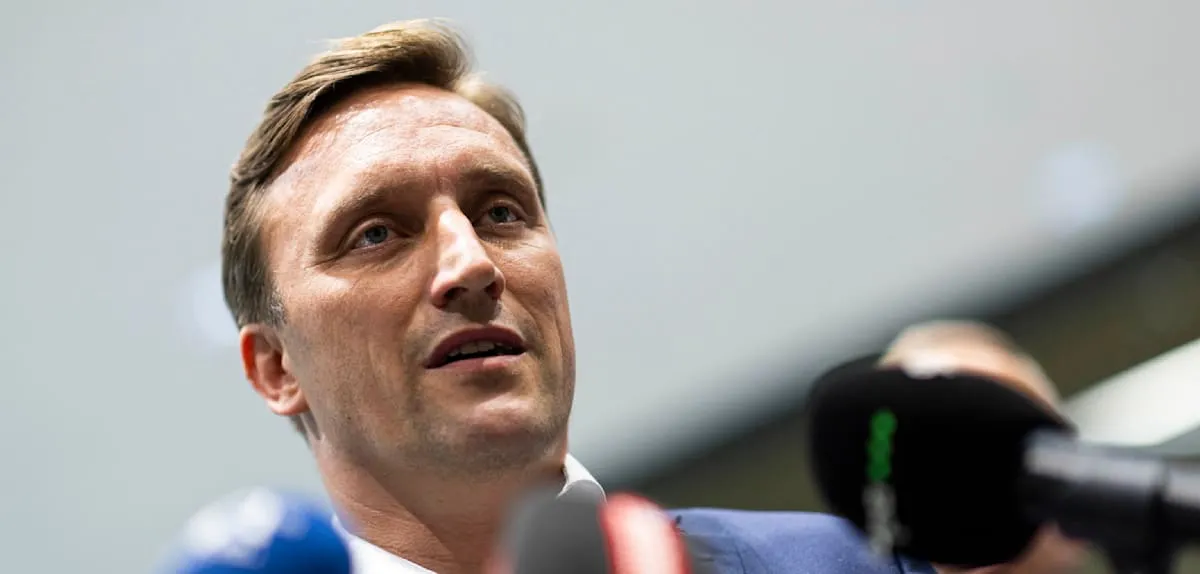
HANOVER – The Christian Democratic Union (CDU) is calling for a fundamental overhaul of policies implemented by the federal government in Berlin. This demand was directly conveyed by Sebastian Lechner, the CDU State Leader of Lower Saxony, following state election results that revealed strong public dissatisfaction with the current ruling coalition's performance. Lechner stressed that the political unrest felt during the campaign in Lower Saxony indicated a serious problem of trust.
Lechner stated that the atmosphere of discontent with the federal government in Berlin was palpable throughout the Lower Saxony state election campaign. This sentiment serves as a strong indicator for the need for a comprehensive evaluation of the national policy direction. It needs a political change, Lechner asserted, referring to the urgent need for reforms.
In his statement, Lechner frankly acknowledged a credibility problem now afflicting the CDU itself. This admission demonstrates the party's internal introspection to regain constituent trust amid volatile political dynamics. This issue of trust is a major focus that must be addressed promptly to strengthen the party's future position.
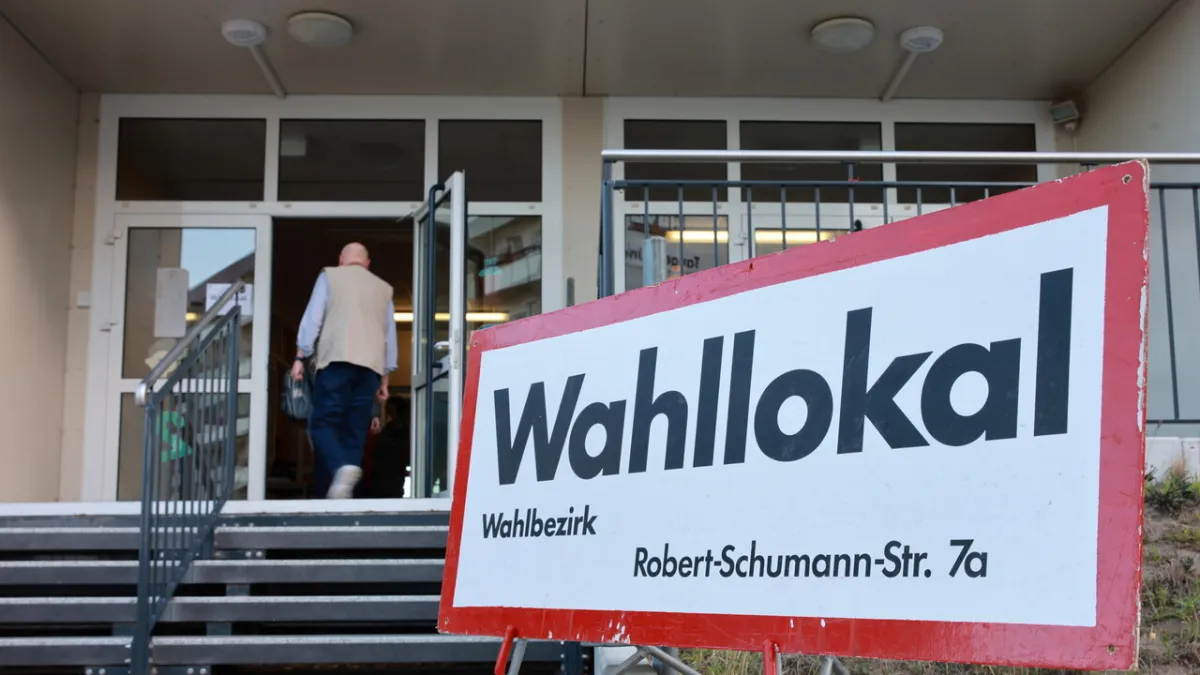
The call for political change in Berlin emerged after the conclusion of the state elections. The election results serve as an important barometer for public sentiment and lend legitimacy to Lechner's call for comprehensive evaluation. The people of Lower Saxony have voiced their hopes through the ballot box.
Lechner did not specify the exact form of political change he envisioned, but his emphasis on a kurswechsel, or change of course, indicates a desire for significant policy shifts, particularly on economic and social issues relevant to constituents. This analysis aligns with many observers who see the need for a swift response from the federal government.
Defeats or declines in votes in state elections often serve as a catalyst for opposition parties to pressure the central government. For the CDU, this momentum is used to highlight the failures of the ruling coalition in Berlin to respond to public aspirations. This criticism is expected to be a key ammunition in upcoming political debates.
Regarding party funding issues, it is worth recalling how Businessman Krach Poured Funds into CDU, Long Before SPD Scandal Emerged, illustrating the complexity and interconnectedness between politics and financial interests that are always part of the German political landscape. Transparency and accountability remain crucial.
The increasing public dissatisfaction with the federal government can also be seen as a reflection of global economic challenges and unresolved domestic issues. Inflation, energy prices, and environmental policies frequently become flashpoints that draw criticism from various segments of society.
As one of the largest opposition parties, the CDU is obliged to channel the aspirations of a populace that feels unrepresented by the ruling government. Lechner's demands affirm this role, while also seeking to position the CDU as a credible alternative for national leadership.
Editorial Insight:
Sebastian Lechner's call for political change in Berlin underscores the post-state election power dynamics. This statement is not merely campaign rhetoric but a genuine reflection of widespread public sentiment now extending to the federal level. By acknowledging internal credibility issues, the CDU aims to demonstrate its seriousness in self-reform while pressing the federal government to make improvements. The impact of these demands has the potential to spark fierce parliamentary debate and compel the ruling coalition to evaluate their strategies, especially with the 2029 national elections already looming.