 Stefani Rindus
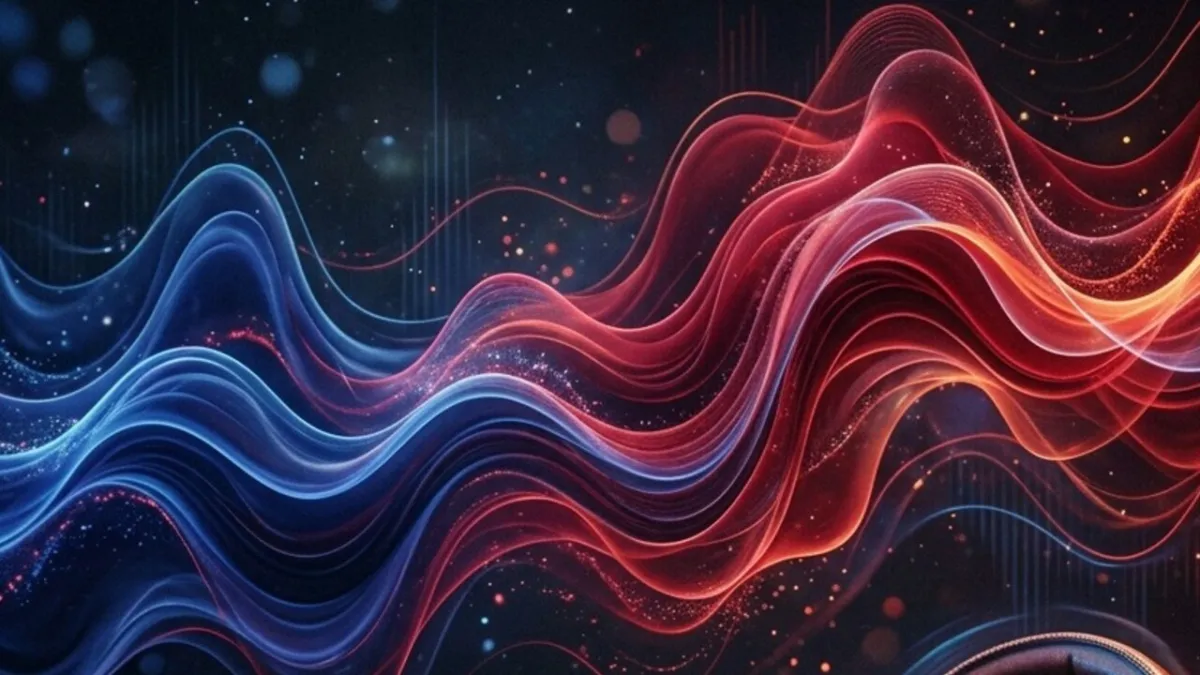
ROME – Groundbreaking recent research highlights the powerful potential of music and oral narratives as imagination triggers, paving the way for new therapeutic applications to combat anxiety and depression. The findings, published by independent European researchers, underscore that the power of melody is not merely entertaining but fundamentally shapes the human cognitive landscape, much like spoken stories.
This study emphasizes that the experience of listening to music, similar to how one absorbs a storyline through oral tradition, can activate brain areas responsible for imaginative and emotional processes. This phenomenon offers a deeper understanding of the neurocognitive mechanisms behind human engagement with art and narrative.
Researchers reveal that both forms of auditory stimulation facilitate the formation of rich mental imagery, allowing individuals to explore emotions and alternative scenarios within their minds. This capability is crucial, particularly for those struggling with negative thought patterns or limited perspectives due to anxiety and depression.
Music possesses a unique ability to transport us beyond physical reality, creating a vibrant internal world of possibilities. This process is strikingly similar to how we construct realities when listening to traditional tales, commented an unnamed neuroscience expert on the study. This quote affirms the complex interplay between sound, imagination, and mental health.
The potential applications of this research are highly promising. Therapeutic experts are now considering integrating music and storytelling-based interventions as part of psychiatric treatment protocols. The goal is to help patients develop more adaptive coping strategies through controlled and positive imaginative stimulation.
Anxiety and depression, which continue to be global mental health challenges in 2026, demand holistic and innovative approaches. This research offers a non-pharmacological alternative that can complement or even strengthen conventional therapies, providing new hope for millions of individuals seeking recovery.
Further development is expected to include large-scale clinical studies to validate the effectiveness of these interventions across diverse populations. Collaboration among musicians, storytellers, psychologists, and brain scientists will be key to designing effective and accessible therapeutic programs.
This discovery also reaffirms the inherent value of art and humanities in a scientific context. Music, often viewed solely as an aesthetic domain, is now recognized as a scientific tool that can be harnessed to enhance human cognitive and emotional well-being.
Amidst the hustle and bustle of modern life and increasing psychological pressures, understanding how simple activities like listening to melodies or stories can offer healing effects becomes highly relevant. It highlights that solutions to complex problems sometimes stem from long-standing cultural practices.
Furthermore, the impact of this research also touches upon educational aspects. Integrating music and storytelling into children's educational curricula can foster imaginative abilities from an early age, shaping individuals who are more resilient to stress and more creative in problem-solving.
Editorial Insight:
This discovery represents a significant breakthrough, reminding us of the primal power of art in healing. By focusing on imagination stimulation through music and oral narratives, future therapies may no longer solely rely on medication but also embrace cultural heritage and artistic expression. This opens up vast opportunities for multidisciplinary research and the development of more personalized and holistic treatment methods.