 Dodi Irawan

Saxony-Anhalt — Amidst the fierce German election campaign in 2026, the Prime Minister of Saxony-Anhalt has surprisingly demonstrated a stance of separating himself from federal CDU policies, even enlisting veteran actor Dieter Hallervorden as a campaign supporter. This political maneuver raises serious questions about the party's internal strategy, with some parties accusing the CDU of indirectly boosting the Alternative for Germany (AfD) party's electability to an absolute majority in the region.
The Prime Minister's decision to create distance from the national party leadership indicates significant differences in views, particularly ahead of a crucial political contest. This strategy is seen as an attempt to appeal to local voters who may be skeptical of central policies.
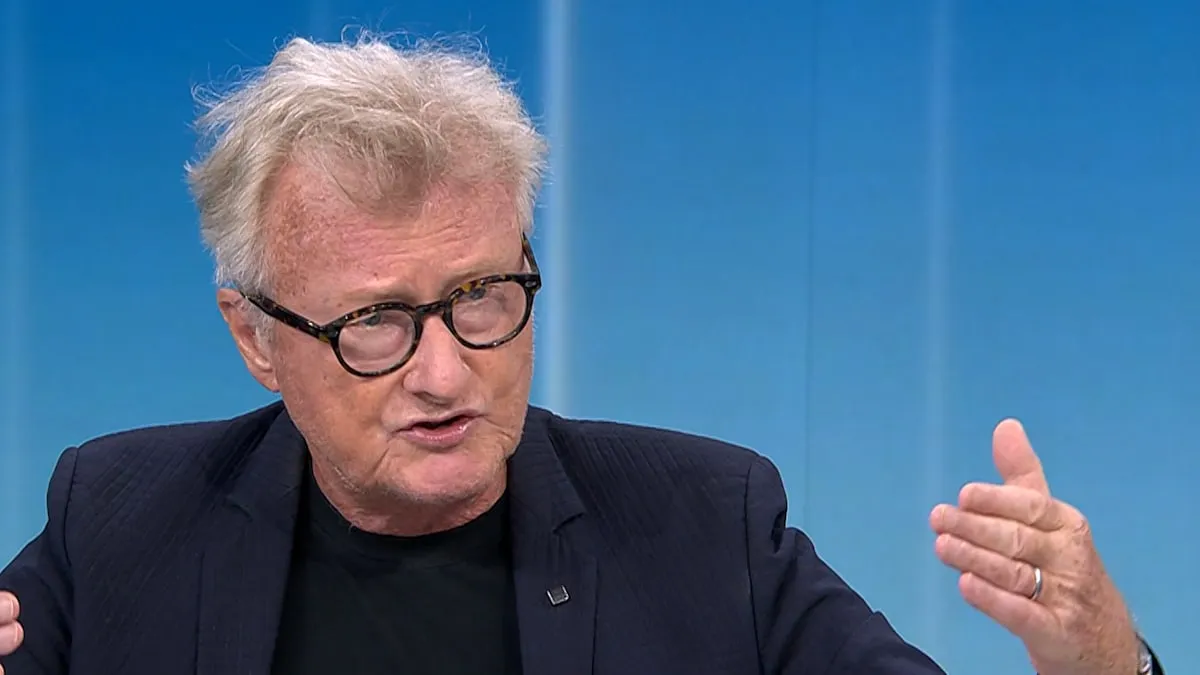
The inclusion of Dieter Hallervorden, a popular entertainment figure with strong charisma, as part of the campaign team has also garnered public attention. Hallervorden, utilizing the platform provided to him, is believed to be able to reach a wider and more diverse segment of voters.
However, this move has not escaped sharp criticism. Dennis Sand, an editor at WELT, expressed his concerns. "I believe this genuinely undermines public trust in the CDU," he stated. Sand's comment highlights the potential erosion of support for the conservative party in the eyes of voters.
A worrying perspective emerges: that the Prime Minister's strategy could actually provide an indirect advantage to the AfD. With dissatisfaction toward the central CDU narrative, voters might seek more radical alternatives.
This phenomenon is not new in the German political landscape. Previously, internal dynamics of major parties often influenced the shift of votes to fringe parties. For further context on CDU political maneuvers at the federal level, see the article Germany Scandal: CDU Maneuver, Fierce Criticism of Chancellor Merz Triggers Political Uproar.
Political analysts observe that the Prime Minister may be trying to attract voters inclined to switch to AfD by demonstrating independence from federal policies that might be unpopular in Saxony-Anhalt. This is a high-risk tactic.
Saxony-Anhalt, like many eastern German states, has a history of strong support for populist parties. Economic and social conditions in this region often serve as primary triggers for shifts in political preference.
Concerns about the AfD gaining an absolute majority are not mere speculation. Pre-election surveys show alarming trends for traditional parties. This trend also aligns with issues such as German Economy Falters: Unemployment Soars Above Three Million, which is frequently exploited by opposition parties.
Should the AfD indeed achieve a majority, it would mark a significant historical milestone in post-war German politics, altering power dynamics and potentially affecting coalition stability at the federal level.
The federal CDU has not yet issued an official response to the statement made by the Prime Minister of Saxony-Anhalt. However, internal and external pressure is expected to intensify as election day approaches.
This situation underscores the immense challenges the CDU faces in maintaining its relevance across the entire spectrum of German politics, while also highlighting the complexity of campaign strategies in an era of political fragmentation.