 Gabriella
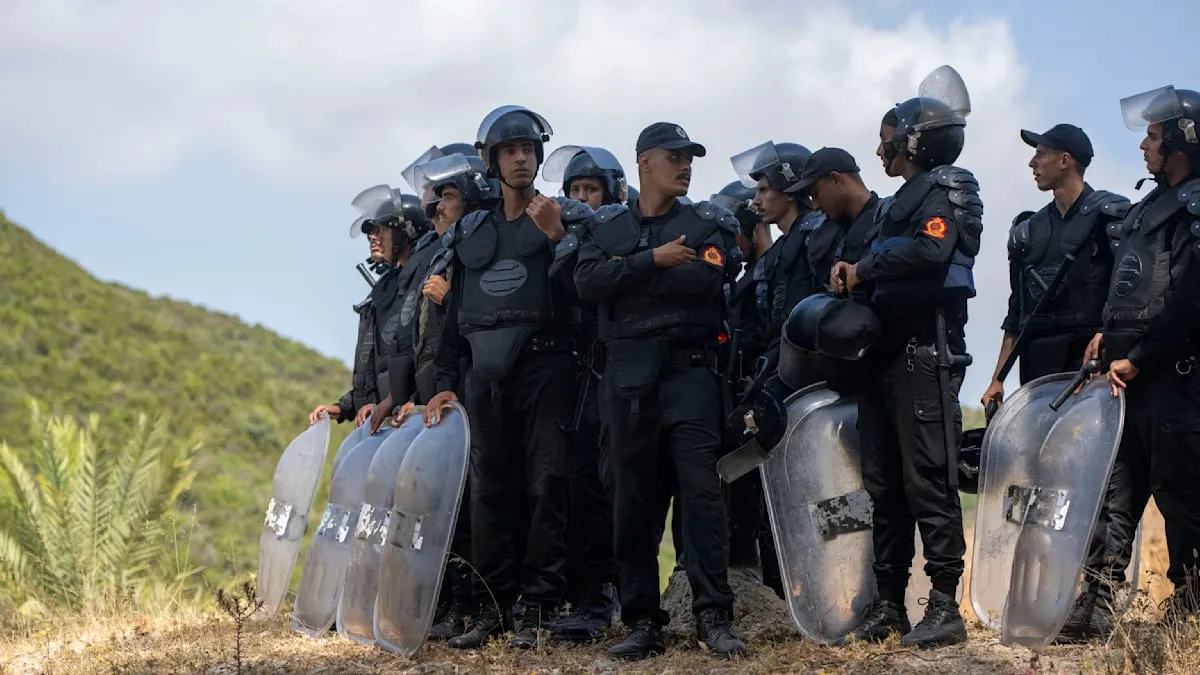
CEUTA – A remarkable calm enveloped the Ceuta border this weekend, marking a significant contrast to the dramatic wave of mass illegal migrant crossings in July. This stable situation immediately drew the attention of European policy observers, including influential German politicians who see it as a positive precedent in handling migration flows.
The July 2026 incident saw thousands of migrants attempt to breach the Spanish border through the Ceuta enclave, triggering a profound humanitarian and security crisis. Local authorities, from both Spain and Morocco, had to deploy extensive resources to control the situation, which at the time was characterized by the use of tear gas and forced rejections. Rabat Halts Hundreds of Migrants Heading to Ceuta: Tear Gas Explodes at Border.
The chaos in July had drawn international condemnation and highlighted the vulnerability of European borders. Pressure on the Spanish government and the European Union to find long-term solutions intensified. Various parties demanded a more comprehensive and humane strategy to address the issue of illegal migration.
Stephan Mayer, a senior politician from Germany's Christian Social Union (CSU), expressed his appreciation for the current situation. This weekend shows that illegal migration can be fought, Mayer stated, referring to the calm in Ceuta. He emphasized that a coordinated approach between security authorities and solid cooperation with Morocco were key to this success.
Mayer added that the close cooperation between Spanish and Moroccan security authorities serves as a positive signal for broader migration management in Europe. This indicates that with political will and effective coordination, migration pressure can be better managed, while also maintaining border integrity.
This management pattern, according to Mayer, deserves to be an example. The synergy between Spanish security agencies, the Civil Guard, and Moroccan forces has proven capable of preventing a recurrence of the massive incidents that overwhelmed the border in a short period. This is not merely a repressive measure but an integrated preventive strategy.
Morocco's role as a strategic neighbor cannot be overlooked. Rabat has been a crucial partner for the European Union and Spain in efforts to stem the flow of migration from Africa. This cooperation involves intelligence sharing, joint patrols, and law enforcement in Moroccan border areas, reducing direct pressure on Ceuta.
The situation in Ceuta reflects the complex challenges the European Union faces regarding migration. Fluctuations in illegal migrant flows, often triggered by conflict, poverty, and the hope for a better life, continue to test the policies and capacities of member states. Therefore, this success in Ceuta offers a glimmer of hope.
Nevertheless, this success does not mean the problem of illegal migration is entirely resolved. Human smuggling networks continue to operate, seeking new loopholes and alternative routes. Border security must be continuously strengthened and adapted to ever-changing modus operandi.
The lesson from Ceuta is that a comprehensive response requires more than just physical surveillance. It involves diplomacy, development aid, and multi-national cooperation to address the root causes of migration, while ensuring borders remain controlled and secure.
The Spanish government, through its Ministry of Interior, has not yet issued an official statement regarding Mayer's praise, but reports indicate they continue to monitor the situation in Ceuta and Melilla with high vigilance. The focus remains on maintaining order and enforcing immigration laws.
The Ceuta case also highlights the importance of ongoing dialogue between the European Union and North African countries. Strategic partnerships based on mutual trust and shared responsibility will be fundamental in managing human movement in the Mediterranean region.
Editorial Insight: The calm at the Ceuta border following the July 2026 turmoil, praised by German politician Stephan Mayer, underscores the effectiveness of inter-agency coordination and international cooperation. This provides a valuable model that illegal migration, though complex, can be managed through a systematic approach. However, sustained cooperation with Morocco and long-term solutions to the root causes of migration must remain top priorities to ensure this success is not merely temporary.