 Stefani Rindus
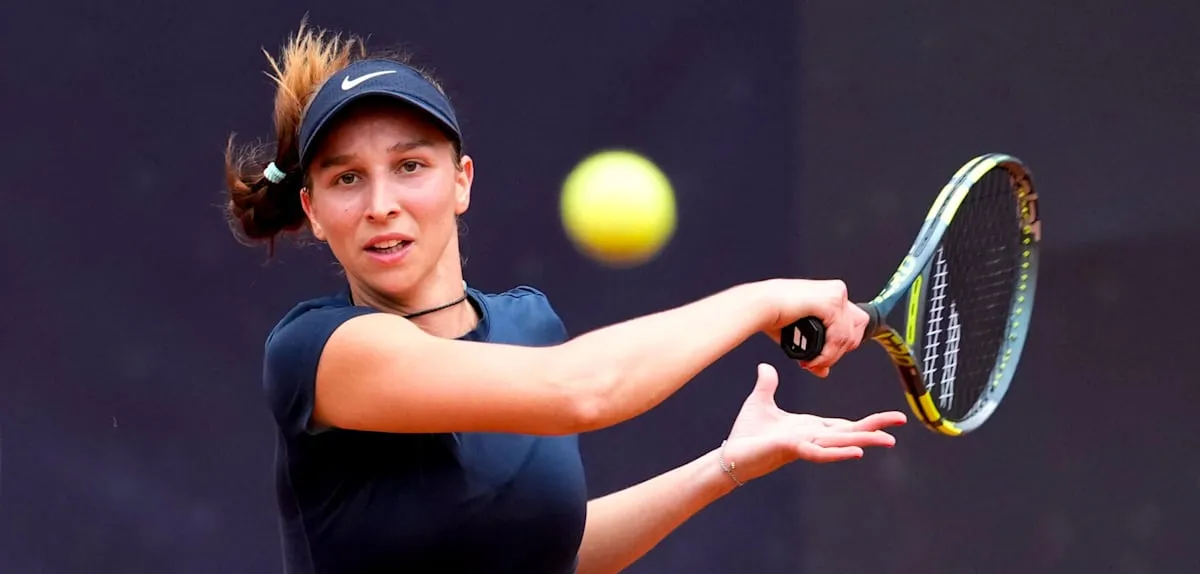
NEW YORK – German tennis star Tamara Korpatsch surprisingly expressed her complaint about marijuana fumes affecting her breathing during a match at the prestigious US Open 2026. This incident occurred on one of the auxiliary courts located in a public park area of New York City, sparking a fierce debate about the playing conditions for athletes, especially given the legality of marijuana in the metropolis. Korpatsch, one of Germany's representatives, stated she found it difficult to breathe, calling for serious attention from the organizers.
Korpatsch specifically voiced her concerns after the match, stating, 'Kriege keine Luft', a German phrase meaning 'I'm not getting air'. This complaint illustrates the severity of the situation, impacting her physical capacity during a crucial match. Her statement immediately drew attention from media and tennis fans worldwide, highlighting the unique challenges athletes face in dense urban environments.
The fact that some US Open matches, especially in the early rounds, must utilize courts in New York City parks, is at the heart of the problem. These courts, while meeting technical standards, are located in environments open to the public. This creates a direct interaction between professional playing areas and recreational public activities.
New York City itself has legalized recreational marijuana use. This policy, aimed at individual freedom, has unexpectedly created a dilemma for organizers of international sporting events. The distinctive aroma of marijuana is often strongly present in public areas, including city parks, where Korpatsch was competing.
The dense marijuana smoke is certainly more than just a sensory nuisance. For a professional athlete who relies on peak physical condition and mental focus, poor air quality and a pungent odor can directly impact performance. This is not just a matter of comfort but a potential threat to the integrity of the competition and the athletes' health.
This incident rekindles the classic question of the boundary between citizens' rights to enjoy legally regulated freedoms and athletes' needs to compete in a sterile and fair environment. The organizers of the Grand Slam in New York, a city known for its cultural dynamics, are now faced with the challenge of adapting to unusual regulations.
Sports and health advocates have also voiced their concerns. They argue that, despite its legality, marijuana use in areas adjacent to sports venues should be reevaluated. This is to maintain the absolute health and fitness standards required for competitors. Korpatsch's complaint could be just the tip of the iceberg of a broader issue.
How the US Open responds to this situation will set an important precedent for future tournaments held in cities with similar regulations. There is a call for organizers to consider smoke-free zones or the use of air filters around potentially exposed courts, at least for professional matches.
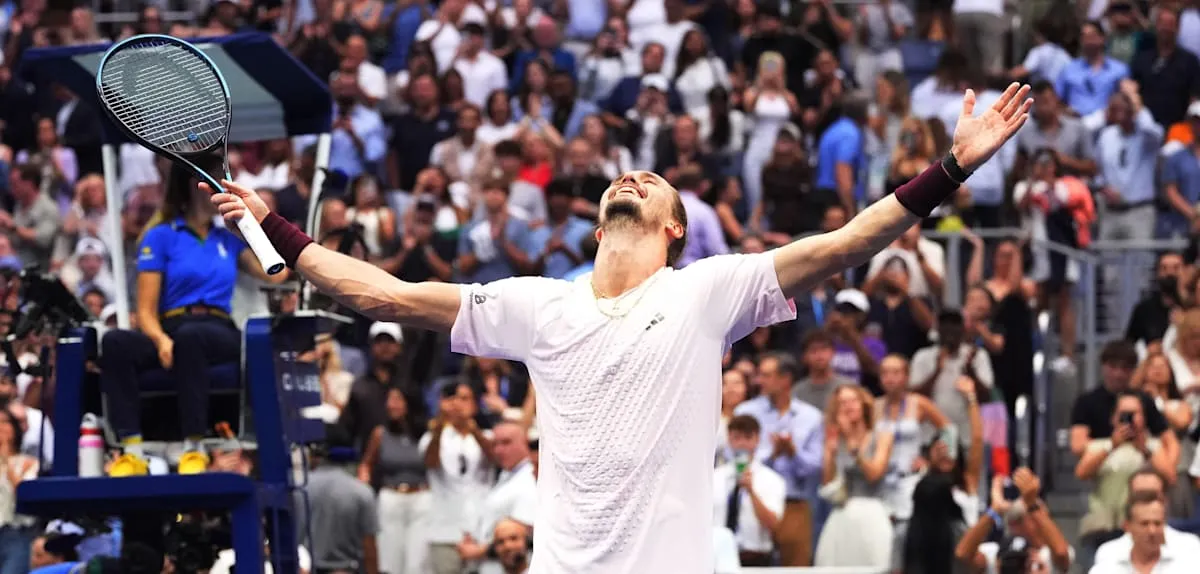
German tennis players' performance on the international stage always receives significant attention, both in terms of achievements and challenges. One of Germany's male tennis stars, Alexander Zverev, is also aiming for a Grand Slam title. However, the incident affecting Korpatsch shows that an athlete's focus is tested not only by opponents on the court but also by unexpected external factors.
Korpatsch's case should serve as a warning to all major sports event organizers worldwide. The environment surrounding venues plays a crucial role in creating optimal conditions for athletes. The beauty of the host city should not compromise the quality of the competition or the well-being of the sporting stars competing.
Editorial Insight: The marijuana smoke incident at the US Open 2026 highlights regulatory gaps often overlooked in planning sports events in large cities with liberal policies. While marijuana's legality is a matter of local sovereignty, its impact on the professional environment of athletes cannot be ignored. Organizers must be proactive in creating protective zones for competitors, even if it means engaging with city governments to enforce temporary restrictions in crucial areas during the tournament. Failure to address this issue could harm the tournament's reputation and the integrity of the sport.