 Robert Andrison
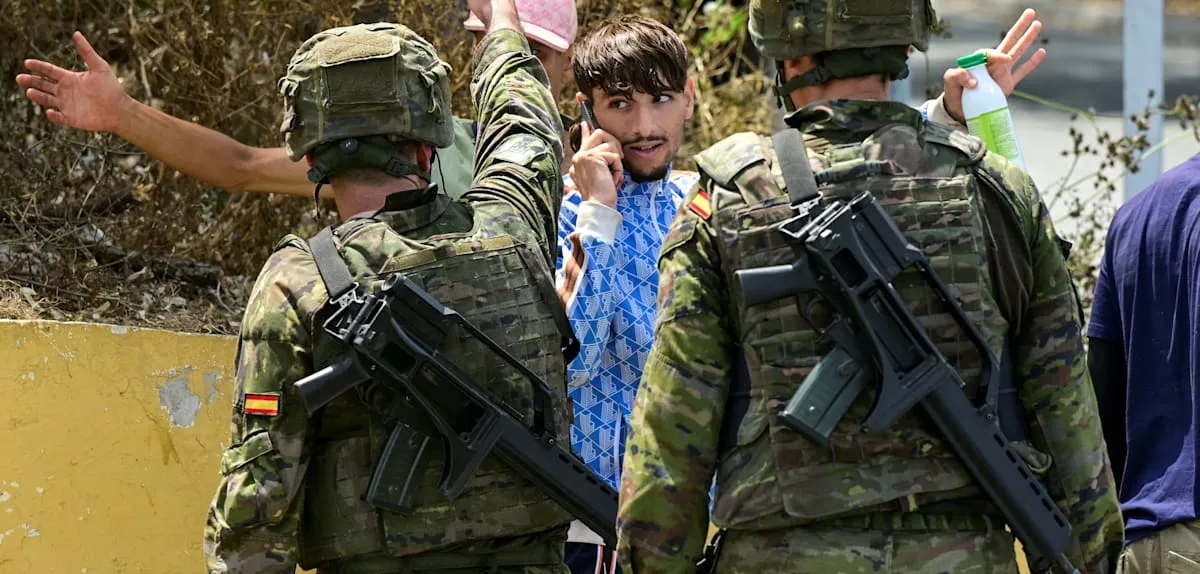
Ceuta — A wave of thousands of migrants breaching Spain's border at Ceuta triggered a deep humanitarian and diplomatic crisis in early 2026. This incident starkly exposed the vulnerability of the European Union's external border surveillance, mandated to Spain, simultaneously drawing sharp criticism from various parties, including accusations of systematic failure in protecting the bloc's sovereignty.
The events in the Spanish autonomous enclave became a global spotlight. Thousands of individuals, many of them unaccompanied minors, flooded into European territory after successfully passing checkpoints. This spectacle, described by some as an “invasion,” raised serious concerns about Spain's capacity to secure Europe's frontline.
Former United States President, Donald Trump, reportedly capitalized on the dramatic imagery from Ceuta as ammunition for his political campaign. “It looks like an invasion,” Trump stated in one of his campaign speeches, echoing the xenophobic and nationalist sentiments he frequently employed.
Commentators across Europe sharply criticized the political exploitation of this humanitarian tragedy. They asserted that instead of serving as a campaign tool, the Ceuta events must trigger deep introspection for the European Union regarding its migration policies and border protection.
The incident immediately sparked a heated debate within the European Union. Three main issues emerged: Morocco's responsibility in controlling the flow of migrants from its territory, the effectiveness of Spain's border protection system, and fundamental weaknesses in the recently approved new European Union migration pact.
Some parties in Brussels questioned Morocco's role in this incident. An anonymous source from the European Commission stated, “There are indications that the Moroccan military might have allowed migrants to pass without significant hindrance, as evidenced by reports from migrants themselves.”
Critics pointed to the fact that Spain, as one of the primary guardians of the EU's external borders, should have stronger protocols. Resource shortages or strategic weaknesses are considered the main reasons behind this failure.
The new European Union migration pact, which was expected to provide a more cohesive framework, is now under microscopic scrutiny. The Ceuta events demonstrate that despite the pact, implementation and rapid response to sudden crises remain a significant challenge.
Thousands of migrants, including unaccompanied children, now face an uncertain fate. Humanitarian organizations urged the European Union to prioritize protection and accommodation aspects, rather than solely focusing on border security.
The Spanish government, through Prime Minister Pedro Sanchez, affirmed its commitment in a statement in late January 2026 to strengthen border surveillance and coordinate closely with Morocco and European Union partners. Sanchez acknowledged significant challenges but rejected accusations of negligence.
The Ceuta crisis serves as a bitter reminder that global migration challenges are complex and require multidimensional solutions. Without a comprehensive strategy involving close cooperation between countries of origin, transit, and destination, similar incidents are likely to recur, continuously testing Europe's resilience and solidarity.