 Chandra Wijayanto
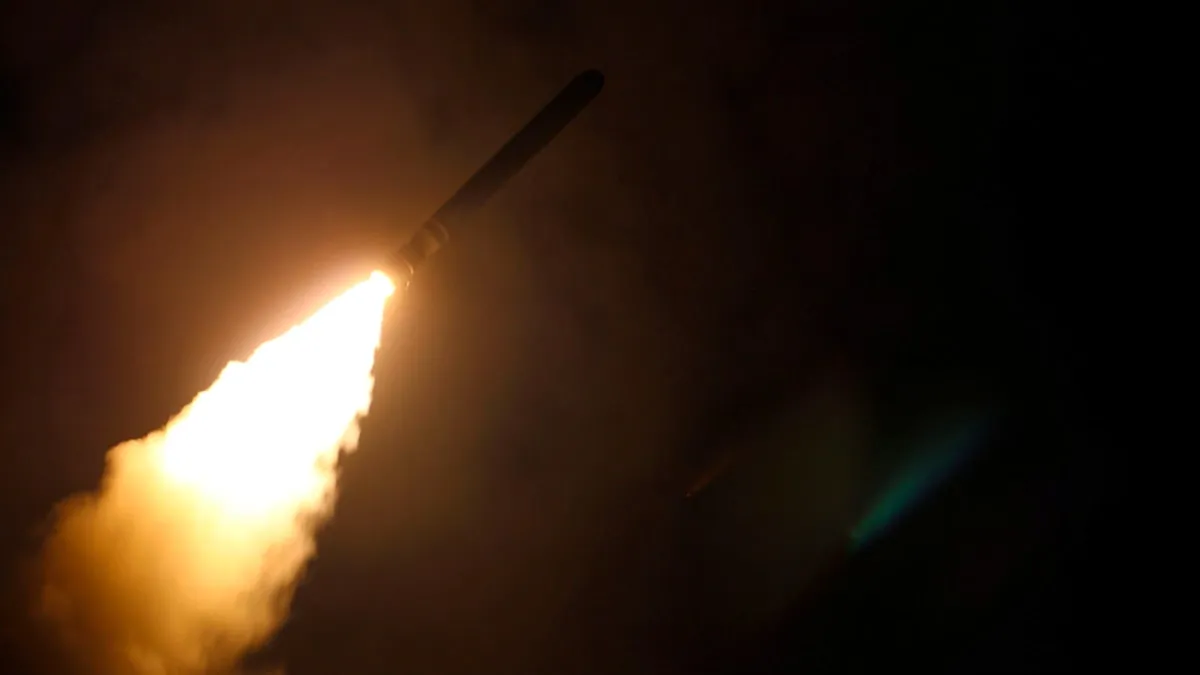
Berlin — Germany and the United States finalized a crucial agreement in early 2026 for the acquisition of 400 Tomahawk cruise missiles. This strategic move, designed to bolster deterrence capabilities, explicitly targets potential threats from Russia, European defense sources revealed. This massive purchase is expected to reshape the security dynamics on the Blue Continent.
The decision to acquire missiles with an impressive range of up to 2500 kilometers stems from an urgent need carefully identified by Berlin and its NATO allies. The increasingly complex global geopolitical situation, particularly following heated regional incidents on Europe's eastern borders, has compelled Germany to significantly enhance its defense capacity.
Markus Schiller, a leading rocket technology expert, highlighted the implications of this purchase. "With the Tomahawk's range capacity of up to 2500 kilometers, it can now be said that Germany is on an equal footing with Moscow in terms of strategic projective capabilities," Schiller stated in an exclusive interview with us in the first week of February 2026. This statement affirms that the acquisition is not merely an addition to the arsenal but a reconfiguration of power.
Deterrence has long been a cornerstone of Western defense doctrine. Through the ownership of Tomahawk missiles, Germany now possesses an effective instrument to project power far beyond its borders, sending a clear message that any potential aggression will be met with a commensurate and measured response.
Tomahawk missiles are known for their precision, low-altitude stealth capabilities, and flexibility in targeting various strategic objectives, both on land and at sea. The latest variant acquired by Germany is reported to have undergone significant upgrades in navigation systems and anti-air defense evasion capabilities, making it an invaluable asset in modern conflict scenarios.
The United States' role as the primary supplier in this agreement reaffirms the strength of the transatlantic alliance. Washington, which continuously monitors power dynamics in Europe, views Germany's enhanced military capabilities as a vital contribution to regional stability, while also asserting a shared commitment to NATO's collective security.
In 2026, global geopolitical shifts are increasingly evident. Although discussions exist regarding the potential for US Dominance in the West Wobbles?, America's commitment to its European allies through advanced military technology transfers like the Tomahawk demonstrates Washington remains a key player. This also implies that challenges to the existing security architecture demand a coordinated response.
This purchase not only strengthens Germany but also indirectly reinforces NATO's eastern flank. With long-range strike capabilities, Germany contributes to a layered defense strategy that can hinder potential expansion or provocations in the Baltic and Eastern European regions, areas often points of friction with Moscow.
Defense analysts anticipate this acquisition will trigger a response from the Kremlin. Moscow will likely closely monitor the implementation and deployment of these missiles, and potentially react with military or diplomatic measures aimed at counterbalancing this shift in the balance of power.
The history of German-Russian relations has often been marked by tension and deterrence efforts. The acquisition of Tomahawks in 2026 is not merely a new chapter in an arms race but a firm statement of sovereignty and Germany's commitment to its regional security amidst evolving threats. This move underscores that Western Europe will not stand idly by.
This Tomahawk missile deal marks a new era in Germany's defense posture. It represents a long-term investment in national and regional security, ensuring that Germany possesses the capacity to play a more assertive role in maintaining peace and stability in one of the world's most volatile regions.