 Edward DP Situmorang
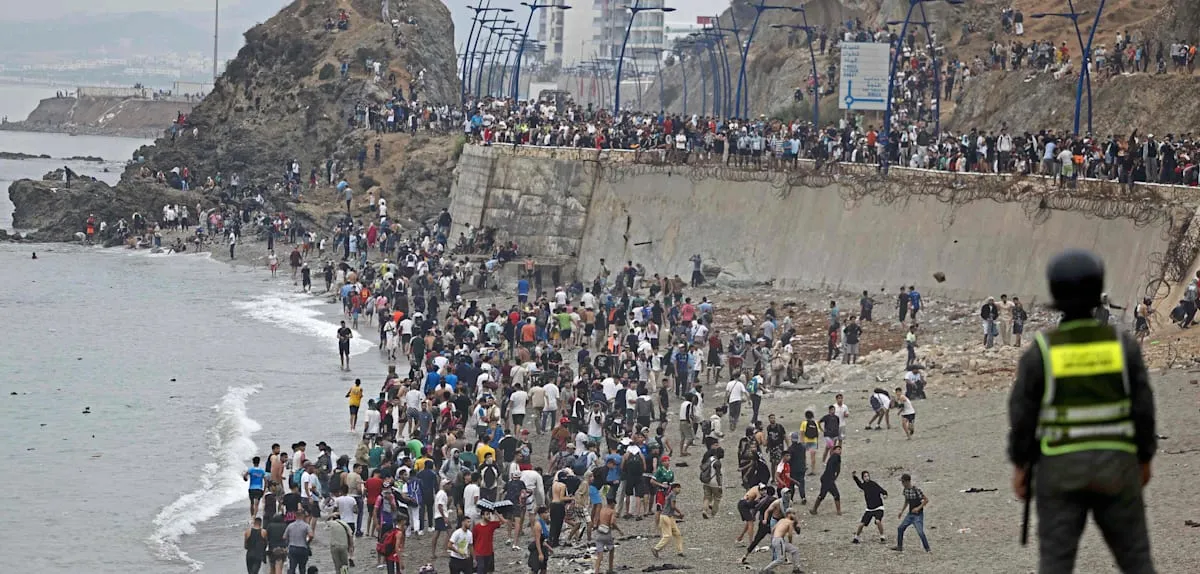
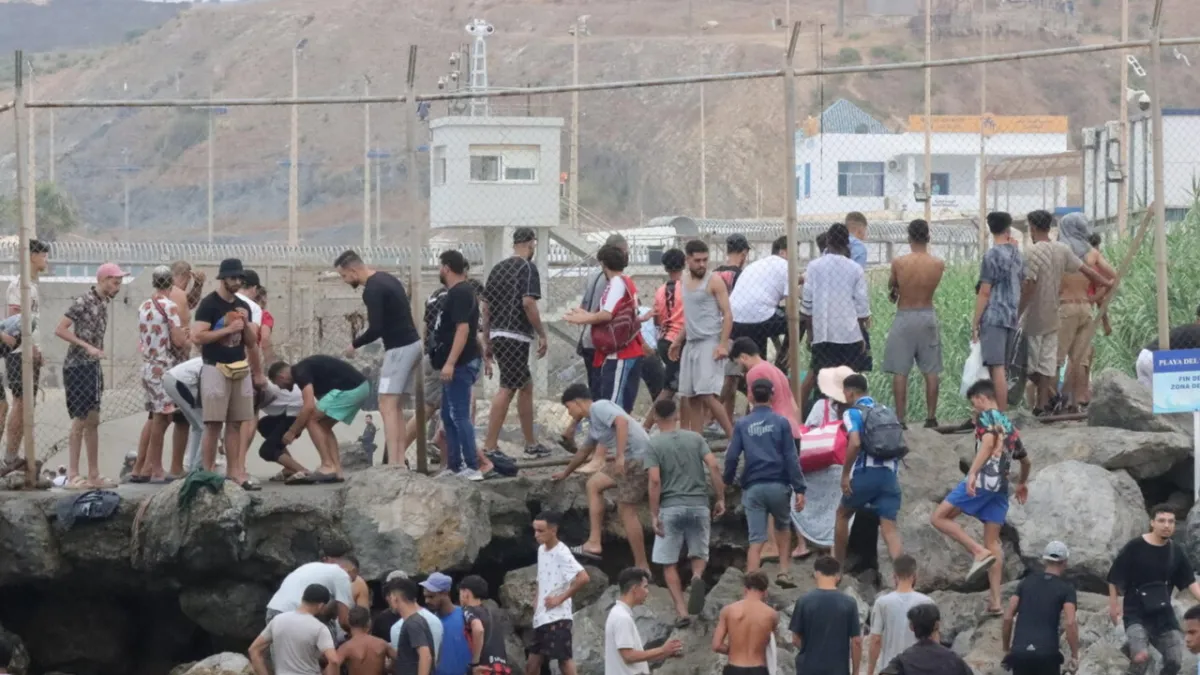
CEUTA — An emergency situation has gripped the Spanish exclave of Ceuta, following a massive influx of approximately 60,000 migrants, sparking geopolitical tensions across Europe in mid-2026. This uncontrolled wave of arrivals triggered a swift and strong reaction from Italy, which immediately announced the suspension of the Schengen Agreement with Spain, highlighting the vulnerability of the European Union's external borders.
Spanish Prime Minister, Pedro Sanchez, promptly arrived in Ceuta to personally assess the dire conditions. His presence underscores the Spanish government's seriousness in addressing an unprecedented humanitarian and security crisis in the border region between Spain and Morocco.
Tensions escalated after thousands of people, including unaccompanied children and adolescents, attempted to cross into Spanish territory. Spanish authorities deployed security forces and the military to control the situation, striving to restore order at the border. The Spanish government faces immense pressure to secure its sovereign territory. The deployment of the military to confront this large wave of migrants became an unavoidable step.
According to the latest media reports, approximately 75 percent of the total migrants who successfully entered Ceuta have been repatriated to Morocco. This repatriation process is taking place amidst criticism from human rights organizations regarding the procedures and treatment of vulnerable migrants.
Italy's sudden decision to suspend the Schengen Agreement with Spain caught many by surprise. This measure was taken in response to Rome's concerns about the potential domino effect of uncontrolled migrant flows, which are feared to burden the asylum systems of other EU member states.
Italy's suspension of Schengen sets a worrying precedent for freedom of movement within the European Union. It demands serious discussion on burden-sharing mechanisms and solidarity among member states in addressing recurring migration challenges.
The crisis in Ceuta cannot be separated from the geopolitical dynamics between Spain and Morocco. Some analyses suggest that this wave of migrants is part of a political maneuver and diplomatic pressure from Morocco on Spain. Morocco's alleged manipulation of the migrant crisis, making it a new geopolitical target, has been speculated previously.
The European Commission called for calm and better coordination among member states. They emphasized the importance of upholding human rights and international law while seeking long-term solutions for effectively managing the EU's external borders.
Humanitarian organizations on the ground describe distressing conditions. Many migrants arrive exhausted, dehydrated, and in need of immediate medical assistance. They demand full access to provide aid and ensure the safety and dignity of asylum seekers.
This incident reinforces global concerns about ongoing migration crises. The European Union is faced with a dilemma between securing its borders and upholding the core humanitarian values that form its foundation. Previous humanitarian crises in Ceuta have resulted in fatalities, making the current situation even more critical.
Comparatively, this incident surpasses the scale of similar crises in Ceuta several years ago. In a previous year, approximately 49,000 migrants stormed Spain, leading to dozens of deaths. The figure of 60,000 migrants this time indicates a significant increase in migration pressure. While previous emergencies served as precedents, the current situation is far more serious.
The Spanish government faces complex challenges in balancing the enforcement of national sovereignty with humanitarian obligations. Support from the European Union and bilateral cooperation with Morocco are crucial to prevent further escalation.
International political analysts predict that this crisis will dominate the European Union's political agenda in the coming months. The need for comprehensive and responsive migration policies is becoming increasingly urgent to address the root causes of forced migration.
Debate on reforming the Schengen Agreement is likely to intensify following Italy's action. Member states need to re-evaluate existing mechanisms to cope with external migration pressures without sacrificing the principle of free internal movement within the European Union.
With the situation in Ceuta remaining volatile and a chain reaction across Europe, the world awaits concrete steps from relevant authorities. The resolution of this crisis will not only determine the fate of thousands of migrants but also the integrity and solidarity of the European Union in 2026 and beyond.