 Gabriella
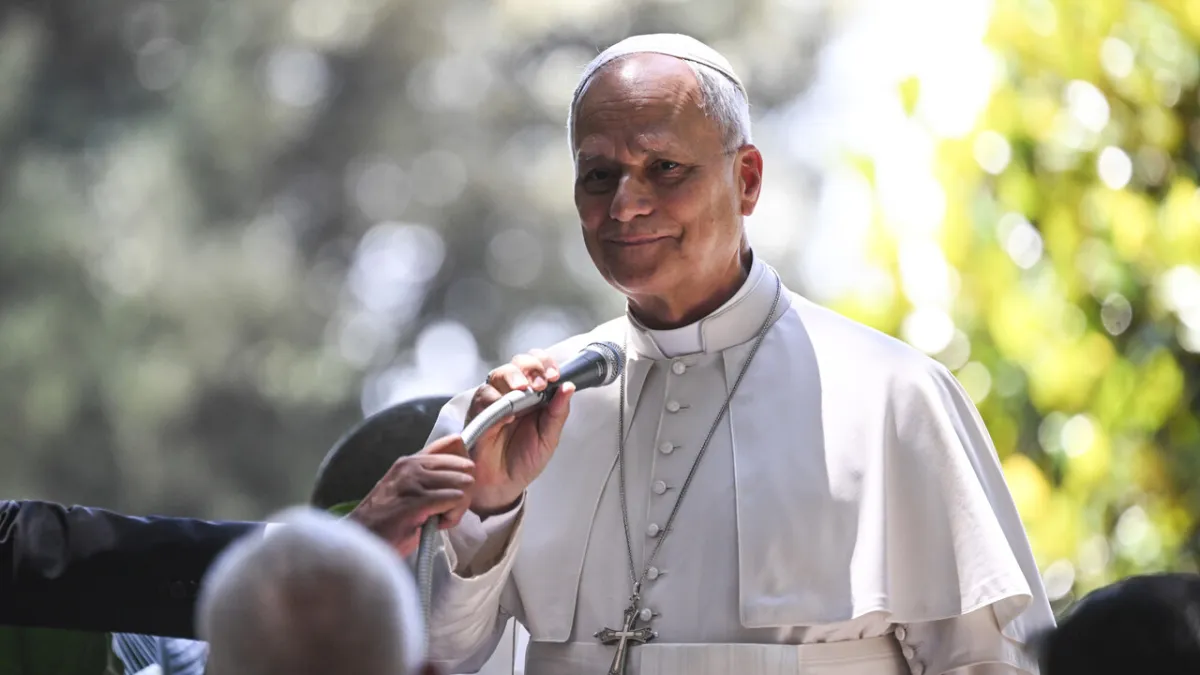
Vatican City — Pope Francis in 2026 has once again voiced deep concern over the deteriorating global geopolitical landscape, warning that "winds of war are returning and sowing death and terror." The Pope's appeal, delivered from the Holy See, reiterates his insistence that the international community persistently pursue the path of dialogue, encounter, and diplomacy as the sole permanent solution to the crises afflicting the world.
The Pope's strong condemnation of the ongoing wave of conflicts comes amid rising tensions in various parts of the globe. Armed conflicts, humanitarian crises, and political polarization have created a climate of uncertainty, threatening global stability and human well-being. The leader of the worldwide Catholic Church has consistently emphasized the importance of universal fraternity and the rejection of violence as a means of problem-solving.
In his message, Pope Francis urged world leaders to set aside personal and nationalistic interests for the common good. He reminded them that every conflict not only brings physical destruction but also leaves deep wounds on the human soul and hinders social development. "The only way left is dialogue," the Pope stated, "I renew my hope that the path of dialogue, encounter, and diplomacy be pursued with perseverance."
His statement underscores the apprehension regarding modern diplomacy's inability to effectively de-escalate conflicts. The world observes how small disputes can quickly escalate into humanitarian disasters, triggering waves of displacement and mass suffering. Pope Francis has consistently been an advocate for those most vulnerable to the impacts of war.
History has repeatedly proven that the path of violence only gives rise to an endless cycle of revenge and suffering. Therefore, the Pope's call to return to the negotiating table is not mere rhetoric but a fundamental strategy for building sustainable peace. It is a plea for moral and ethical consideration in every political decision-making process.
The importance of diplomacy lies not only in preventing conflict but also in building bridges of understanding between cultures and religions. Globalization, which should bring people closer, sometimes widens the gap of differences if not accompanied by a spirit of mutual respect and dialogue.
Pope Francis, through his various visits to conflict-ridden countries and international forums, continuously inspires reconciliation efforts. He believes that every individual, regardless of background, has a role in building a more peaceful world.
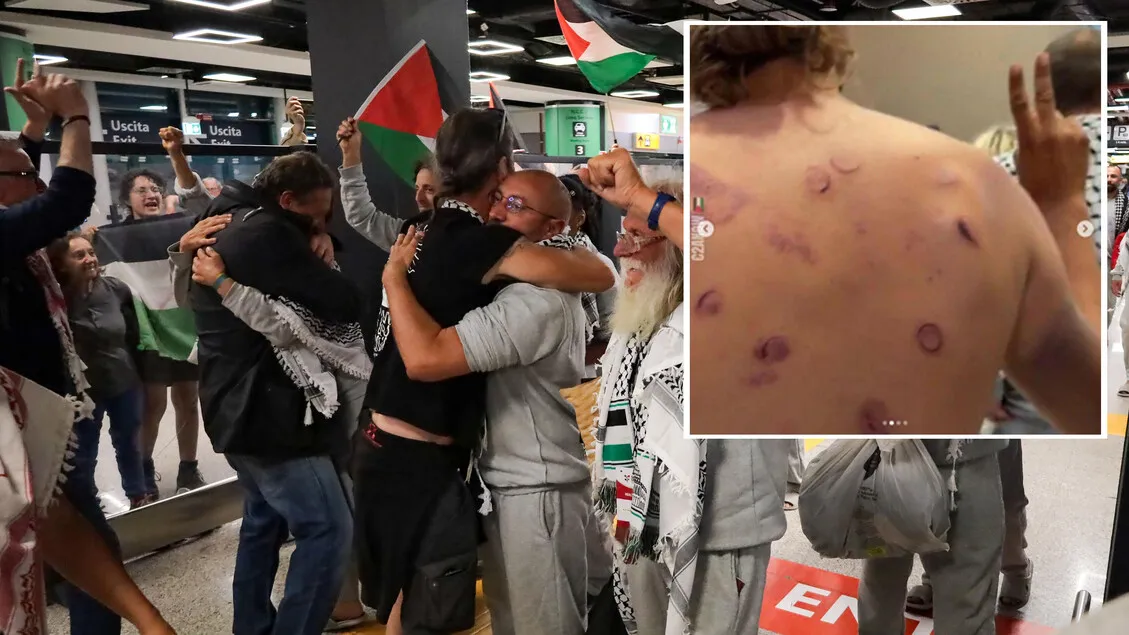
This papal appeal is also relevant to situations in various regions, including the Middle East, where conflicts have trapped populations in prolonged crises. As highlighted in a related article, "Pizzaballa: Peace is Only Culture, Middle East Trapped in Endless Crisis 2026", it demonstrates the complexity of achieving peace in the region. Dialogue becomes critical amidst extreme polarization.
The impact of war extends beyond the battlefield, permeating every aspect of society, even affecting the younger generation. The phenomenon of "Reality Invasion: Teens Face War Trauma from Gadget Screens" reflects how even from a distance, conflicts can leave deep psychological imprints, underscoring the urgency to halt these "winds of war."
Pope Francis affirmed that peace is not merely the absence of war, but the presence of justice, dignity, and harmony. This is a vision that requires collective commitment from all global actors to realize.
Vatican City — Pope Francis's 2026 statement serves as a sharp reminder to all humanity. As global tensions continue to rise, the Pope's message on the enduring power of dialogue and diplomacy offers a beacon of hope, highlighting the only path towards a future free from the shadow of death and terror.