 Angel Doris
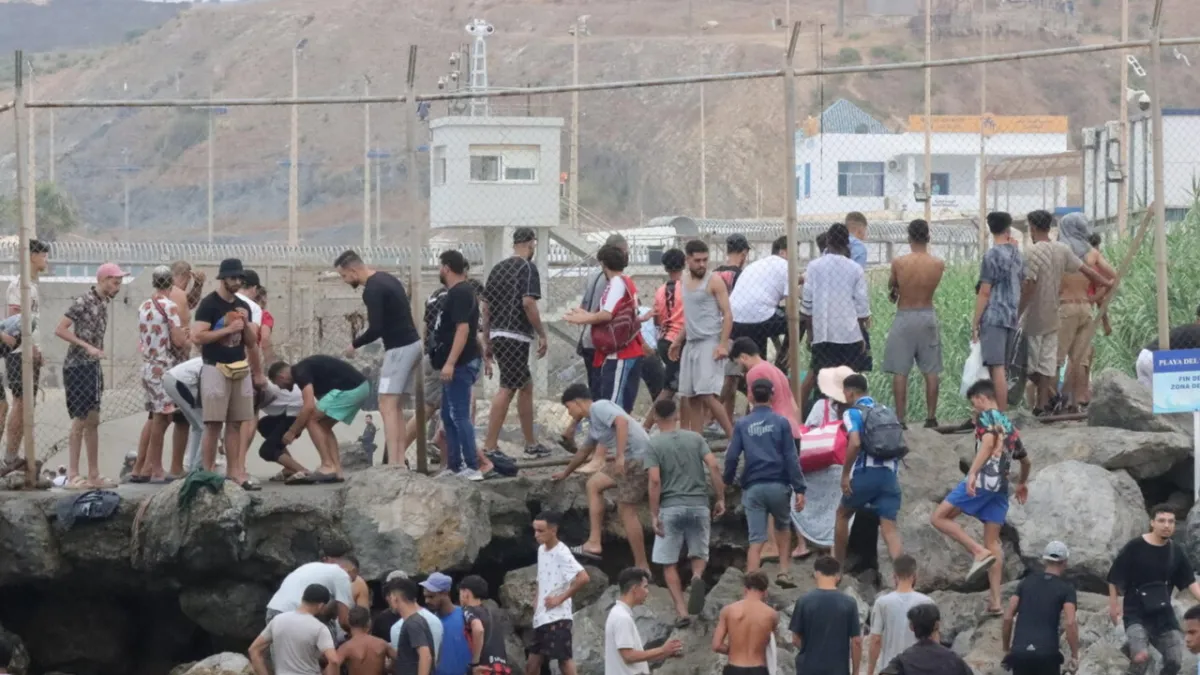
CEUTA — A heartbreaking humanitarian crisis has once again shaken Spain's North African enclaves in 2026. At least 49,000 desperate migrants managed to breach Ceuta's borders within the last 24 hours, sparking fierce clashes and claiming the lives of at least 18 individuals. This incident was compounded by the closure of the Melilla border after hundreds of migrants attempted simultaneous entry, exacerbating tensions in the region.
This massive influx of migrants has caught Spanish authorities and the international community by surprise. Thousands of people, including women and children, surged through normally heavily guarded border points, demonstrating an extreme level of desperation.
Clashes erupted at several border crossings, where migrants were reportedly involved in throwing stones at security personnel. These chaotic scenes raise serious concerns about human safety and rights.
Authorities confirmed that 18 bodies have been recovered, most believed to have drowned while attempting to swim around border fences or due to injuries sustained during the clashes. This number is expected to rise as search and identification efforts continue.
The situation in Melilla, Spain's other enclave, was not much different. Although in smaller numbers, approximately 400 migrants also managed to break through. The swift response from the Spanish government was to completely close its borders there to prevent subsequent waves of entry.
In response to this escalation, the Spanish government deployed additional military units to reinforce border security in Ceuta and Melilla. This measure was taken to restore order and control the surging flow of migrants, as had happened previously during the "Ceuta Crisis: Spain Deploys Military to Confront Large Migrant Wave".
Responses from the international community and human rights organizations immediately emerged, calling on Spain to prioritize humanitarian efforts and ensure the protection of migrants. International bodies reiterated that "Spain Must Protect Moroccan Migrants, Cannot Forcibly Expel Them from Ceuta" in accordance with international law and humanitarian principles.
Ceuta and Melilla have long served as primary entry points for migrants from Africa aspiring to reach Europe. Their strategic geographical location, bordering Morocco and close to the European continent, makes them a magnet for those seeking a better life.
Factors such as conflict, extreme poverty, and political instability in the migrants' countries of origin in Africa are the primary drivers behind these mass migration waves. The lack of economic prospects and security in their homelands compels thousands of individuals to take immense risks for new hope.
For Spanish authorities, this crisis presents a significant dilemma: balancing the need to maintain sovereignty and border security with the humanitarian responsibility to provide protection and assistance to the vulnerable. Managing the situation requires a balanced and comprehensive approach.
This crisis is not only a challenge for Spain but also for the entire European Union in formulating more effective and humane immigration policies. Collaborative efforts are needed to address the root causes of migration and manage borders responsibly.
Humanitarian aid organizations on the ground have been overwhelmed by the surging number of migrants. They are calling for greater international support to provide adequate shelter, food, and medical care for the thousands of individuals now stranded.
The bloodshed at the Ceuta border serves as a tragic reminder of the immense suffering and danger faced by migrants. Every lost life reflects a collective failure to create a more just and peaceful world.