 Stefani Rindus
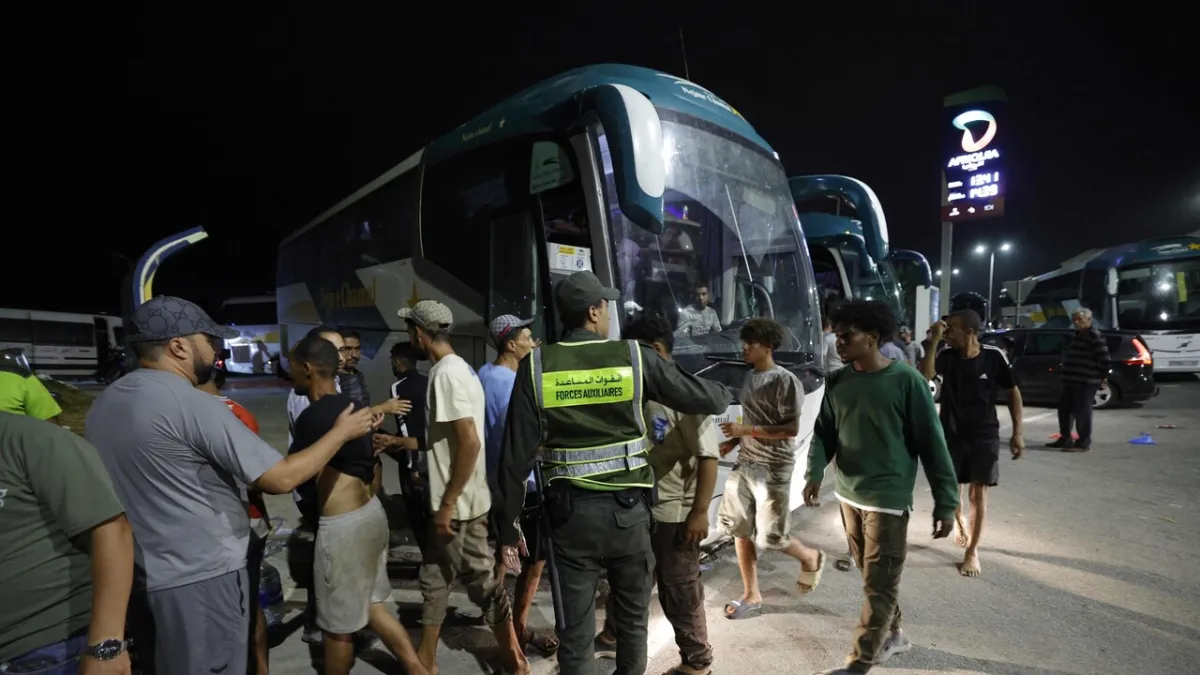
Ceuta — The situation at the border of the Spanish enclave of Ceuta has escalated following a heartbreaking tragedy that claimed the lives of 67 migrants at sea. Spanish Prime Minister Pedro Sanchez, from Brussels, has urged an urgent meeting of European Union interior ministers to respond to this worsening humanitarian and security crisis, after an attempted assault and a night of tension that also left one migrant injured.
This mass casualty event adds to a long list of fatalities in the Mediterranean waters, as dozens of migrants desperately attempt to reach European shores in search of a better life. The latest tragedy unfolded after a night of heightened tension, when groups of migrants camped outside the Ceuta border tried to force their way in, leading to clashes with security forces.
The Spanish Prime Minister's Office in Madrid confirmed that Sanchez had engaged in intensive communication with European leaders. He emphasized the urgency of a collective response from the European Union. \"The European Union must act swiftly and in a coordinated manner to address this uncontrolled flow of migrants and prevent similar tragedies from recurring,\" stated a Spanish government spokesperson in 2026.
The attempted assault that occurred overnight, where dozens of people tried to enter illegally, further exacerbated the situation. One migrant was reportedly injured during the attempt, highlighting the danger and desperation behind their actions. Local authorities made strenuous efforts to control the situation, but pressure continues to mount with the increasing number of migrants around the border.
Madrid — Spain, as one of the main gateways to Europe from North Africa, has long been a focal point of the migrant crisis. The burden of managing the continuous influx of migrants into its borders often triggers diplomatic tensions and complex logistical challenges. This situation is compounded by internal and external pressures, including criticism from several EU member states. This scenario is reminiscent of articles such as \"Europe Outraged: Ceuta Threatens Schengen Sovereignty, Spain Cornered.\"
Ceuta's migrant crisis is not just a Spanish issue, but a reflection of the European Union's migration policy challenges as a whole. Sanchez's call for an emergency meeting of interior ministers signifies recognition of the scale of the problem, requiring a cross-national solution. This also aligns with previous reports concerning \"Europe Outraged: Ceuta Becomes Crucial Border Invasion Point, Calls for Decisive Action Resound.\"
International humanitarian organizations are calling for better protection for migrants and the establishment of safe and legal routes. They emphasize that strict border closures without humane alternatives will only push migrants onto more dangerous paths, as evidenced by the 67 lives lost in the waters of Ceuta.
This tragedy also highlights the conditions in temporary camps around Ceuta, where thousands of migrants await an opportunity to cross. Limited facilities, poor hygiene, and an uncertain future create an environment vulnerable to despair and desperate acts. The increasing death toll underscores the urgency of global intervention.
Brussels — The emergency meeting proposed by PM Sanchez is expected to yield concrete strategies, including strengthening border cooperation with Morocco, increasing humanitarian aid, and reforming asylum policies across the European Union. The pressure to find long-term solutions is increasingly urgent, given the implications for regional stability and security.
Various parties argue that the Ceuta tragedy is not an isolated incident but part of a recurring pattern of migrant crises. Without a comprehensive approach that addresses root causes such as conflict, poverty, and climate change in migrants' home countries, humanitarian tragedies at Europe's borders will continue. Indeed, \"Ceuta Migrant Crisis Forces Italy to Implement Emergency Border Controls\" exemplifies how the crisis's impact is widening.
Rescue and emergency aid efforts undertaken by Spanish authorities and volunteer teams face significant obstacles, especially when dealing with large flows and extreme weather conditions at sea. The evacuation of victims' bodies is a heartbreaking task, while efforts to identify and inform their families are also highly complex.
The European Commission in Brussels expressed deep concern over these events and reiterated its commitment to supporting Spain in managing the situation. However, political rhetoric among EU member states often hinders the creation of cohesive and effective migration policies, leaving frontline countries like Spain to bear the brunt of the burden.
Prime Minister Sanchez hopes that through this meeting, Europe can demonstrate strong solidarity and produce measures that are not only reactionary but also proactive in managing global migration challenges in 2026. This is not just about border security, but also about the humanitarian values upheld by the continent.
The Spanish and European public await the outcome of the scheduled emergency meeting. Great hopes are placed on the interior ministers to formulate solutions that are not only politically effective but also based on humanitarian principles, so that no more lives are lost in vain at the gates of Europe.