 Chris Robert
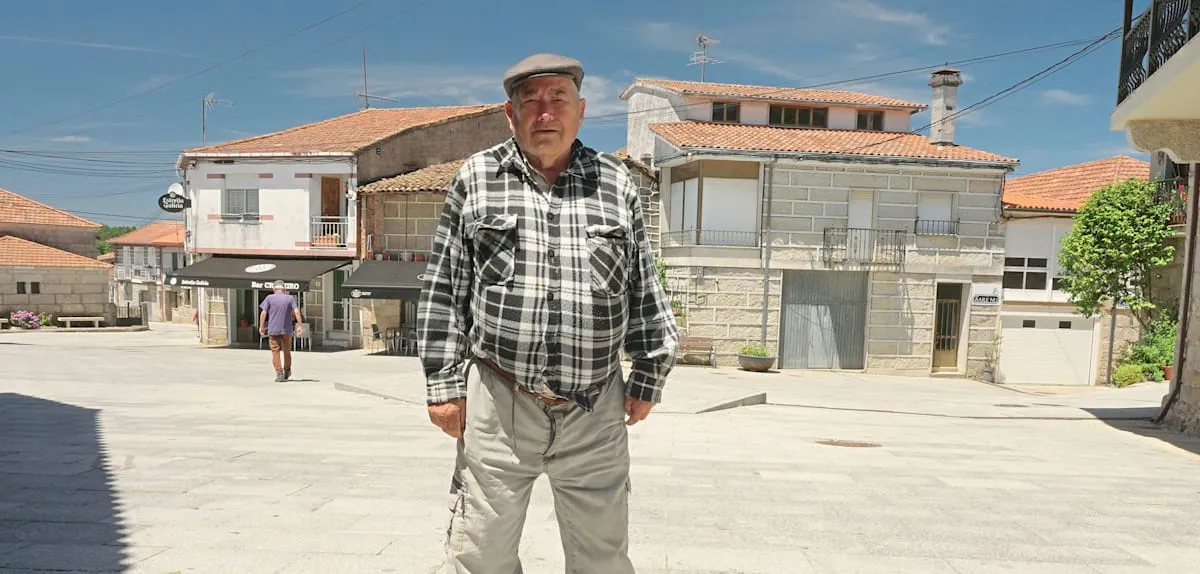
BRUSSELS — The alarming phenomenon of declining birth rates has pushed several European cities to the brink of population extinction in 2026, sparking anxiety among politicians who are still struggling to find effective solutions. While some communities are persistently fighting for their existence, other cities have successfully defied this demographic trend, but at the risk of losing the essence of their cultural identity. This situation underscores the urgency of the demographic crisis facing the blue continent.
This concern is not merely a statistic, but a bitter reality visible in deserted streets, empty schools, and shuttered shops. This demographic crisis has become a fundamental challenge to social and economic sustainability in many European Union member states.
European leaders acknowledge this serious problem. They have repeatedly held conferences and formed special task forces. However, to date, a consensus on a truly effective approach to reverse the continuously declining birth rate trend remains elusive. Financial incentives or extended parental leave policies are often considered insufficient.
A recent report indicates that small cities, especially in rural areas and regions historically dependent on now-fading industries, are the most vulnerable. Young generations opt for urbanization to larger cities in search of job opportunities and a more dynamic lifestyle, leaving behind an aging and shrinking population.
VENICE — Take Venice, for example, a city that has long struggled against demographic challenges and the exodus of its native inhabitants. Although tourists flock there, the number of permanent residents continues to shrink. The city's identity as a "city of Venetians" is slowly eroding, replaced by an image as an open-air museum for tourists.
This phenomenon is similar to what is discussed in another article, Europe Aging: Cities Fight Threat of Population Extinction 2026, indicating that this threat is not only local but widespread across the continent. Various efforts have been made, from revitalization programs to housing incentives, but their impact remains limited.
However, not all cities resign themselves to the fate of extinction. Some regions have successfully devised innovative strategies, such as attracting immigrants or creating new business ecosystems that stem the tide of population decline. Such success often requires strong political commitment and long-term investment.
BERLIN — Berlin, for instance, despite facing its own unique challenges, has managed to maintain its population's vitality through its appeal as a cultural and technological hub. However, the price paid is rapid gentrification, altering the social landscape and displacing lower-income native residents. The historical identity of some neighborhoods is also under threat of fading.
This presents a moral and ethical dilemma: must saving a population sacrifice a place's cultural roots and unique characteristics? This question sparks intense debate in various city councils across Europe.
This demographic crisis also carries profound economic implications, ranging from skilled labor shortages to pressure on pension systems and healthcare services. Without an adequate young population, national innovation and productivity can be significantly hampered.
Some demographers predict that without drastic and coordinated policy interventions, Europe's demographic landscape by mid-century will be vastly different from what we know today. These projections urge policymakers to act faster and more adaptively.
Potential solutions involve a combination of stronger pro-family incentives, better integration of immigrants, and investment in infrastructure and public services that support young families. Cross-country dialogue and sharing of best practices are also crucial in addressing this complex demographic challenge.
The threat of population extinction is not science fiction but a reality Europe is currently facing. How the continent responds to this crisis will determine its future, both demographically and culturally.