 Demian Sahputra
JAKARTA – An intensive debate among medical experts regarding the relationship between chronic neck pain and severe dizziness has re-emerged in 2026. This phenomenon, often experienced simultaneously by many individuals, triggers fundamental differences in perspective among various medical disciplines, namely orthopedics, osteopathy, and neurology. Each discipline offers differing interpretations and treatments, often leaving patients in a diagnostic dilemma.
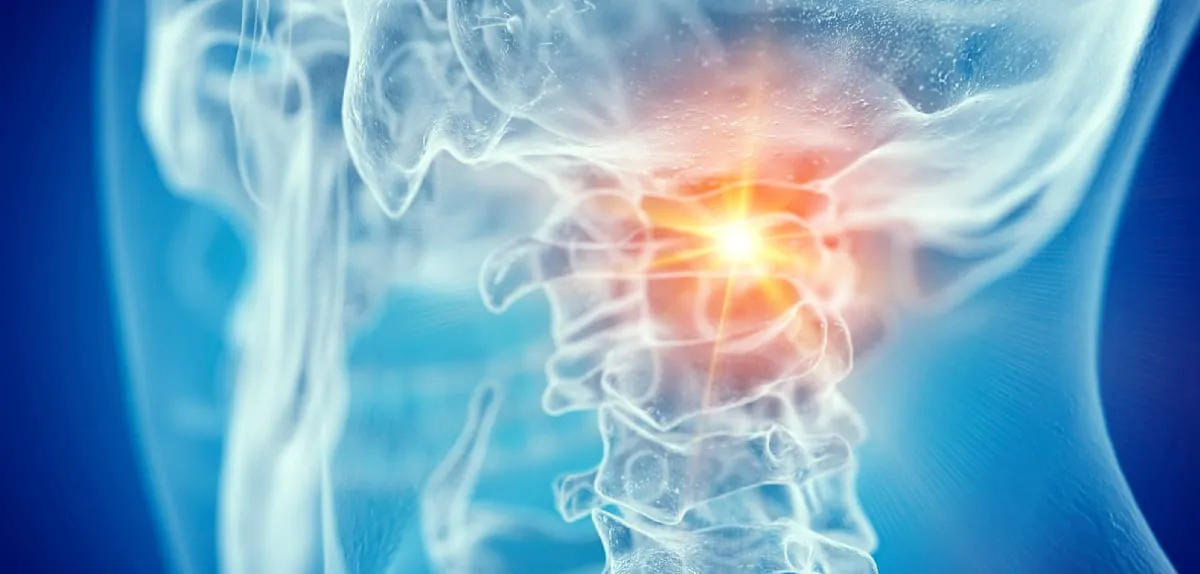
Orthopedic doctors consistently observe a high frequency of simultaneous occurrence of severe neck pain and dizziness. They tend to view these two conditions as manifestations of structural or mechanical disorders in the neck area, particularly the cervical spine. Muscle tension, joint inflammation, or disc degeneration in the neck are often cited as primary triggers that can radiate and affect the balance system.
In line with these observations, osteopaths go further by highlighting the concept of 'vertebral blockades' or blockages in the spinal segments. According to them, minor shifts or dysfunction in the cervical joints can disrupt nerve and blood flow to the brain, which then manifests as dizziness. Their therapeutic approach focuses on manual manipulation to restore spinal mobility and alignment.
However, a different view is presented by neurologists. These brain and nerve specialists see a more complex relationship, often even suggesting an inverse correlation. For neurologists, severe dizziness is most likely to originate from disturbances in the vestibular system in the inner ear or neurological problems in the brain. Neck pain, in this perspective, could be a secondary symptom resulting from compensation or muscle tension arising from prolonged dizziness.
This conflict of interpretation significantly complicates the diagnostic process and the establishment of appropriate treatment regimens. Patients often move from one specialist to another without receiving a definitive resolution for their complaints. The absence of strong scientific consensus exacerbates the situation, hindering the development of standardized treatment protocols.
One theory attempting to bridge these differences is the concept of cervicogenic dizziness. This condition refers to dizziness originating from neck problems, such as neck injuries, cervical facet joint disorders, or neck muscle dysfunction. However, its diagnosis remains a challenge due to symptoms overlapping with various other types of dizziness.
This complexity demands a more integrative and multidisciplinary approach. Collaboration among orthopedists, osteopaths, neurologists, and even physiotherapists becomes crucial for evaluating each case holistically. This approach is expected to uncover the true root cause and provide more comprehensive therapeutic solutions.
Further research is needed to unravel the mystery behind the relationship between neck pain and dizziness. Studies comparing the effectiveness of various treatment modalities and in-depth investigations into the underlying neurophysiological mechanisms would be invaluable. Without strong empirical data, this debate will continue indefinitely.
Some experts recommend careful initial diagnosis, including:
- Thorough physical examination, including evaluation of posture and neck range of motion.
- Neurological tests to rule out central causes.
- Imaging tests such as MRI or CT scans if structural problems are suspected.
- Cross-disciplinary consultation to gain a comprehensive perspective.
Ultimately, the primary goal is to alleviate patient suffering. Regardless of differing views, all medical practitioners agree that treatment must be tailored to the individual's condition, considering medical history, lifestyle, and response to therapy. The greatest challenge is how to harmonize these different perspectives to achieve this goal.
Editorial Insight:
The debate surrounding neck pain and dizziness reflects the complexity of the human body and the continuously evolving nature of medical science. Moving forward, pressure will increase for the medical community to develop integrated guidelines that can guide diagnosis and treatment. The integration of advanced diagnostic technologies and digital collaboration platforms could be key to facilitating interdisciplinary dialogue and research, for the well-being of patients worldwide.