 Demian Sahputra

Berlin — The German public has been taken aback by a recent court decision that reinstated the refugee status of a serious Iraqi convict, whose status had previously been revoked. This case immediately sparked a wave of debate about the integrity and effectiveness of the country’s legal system, particularly in handling individuals with serious criminal records. The ruling not only drew sharp criticism from various circles but also strengthened concerns regarding the long-term implications for immigration policy and national security in 2026.
The convict, whose identity remains undisclosed, an “Intensivstraftäter” or repeat serious offender according to German legal terminology, successfully challenged the revocation of his refugee status. His long and serious criminal history was the backdrop for the government’s earlier decision to revoke his protection status, given the risks posed to society. However, the court ruled otherwise, a step considered by some as a dangerous precedent.
Previously, the individual’s refugee status was revoked based on a significant risk assessment and security threat. The government argued that someone who has repeatedly committed serious crimes is not eligible for refugee protection, which should be granted to those fleeing persecution or war. The revocation aimed to protect German citizens from potential future harm.
However, the convict’s legal team successfully presented strong arguments before the court. They likely relied on international legal principles of non-refoulement, which prohibit the return of an individual to a country where they face serious threats to their life or freedom. The exact details of the winning legal arguments have not been widely disclosed, but the outcome is clear: the court sided with the convict.
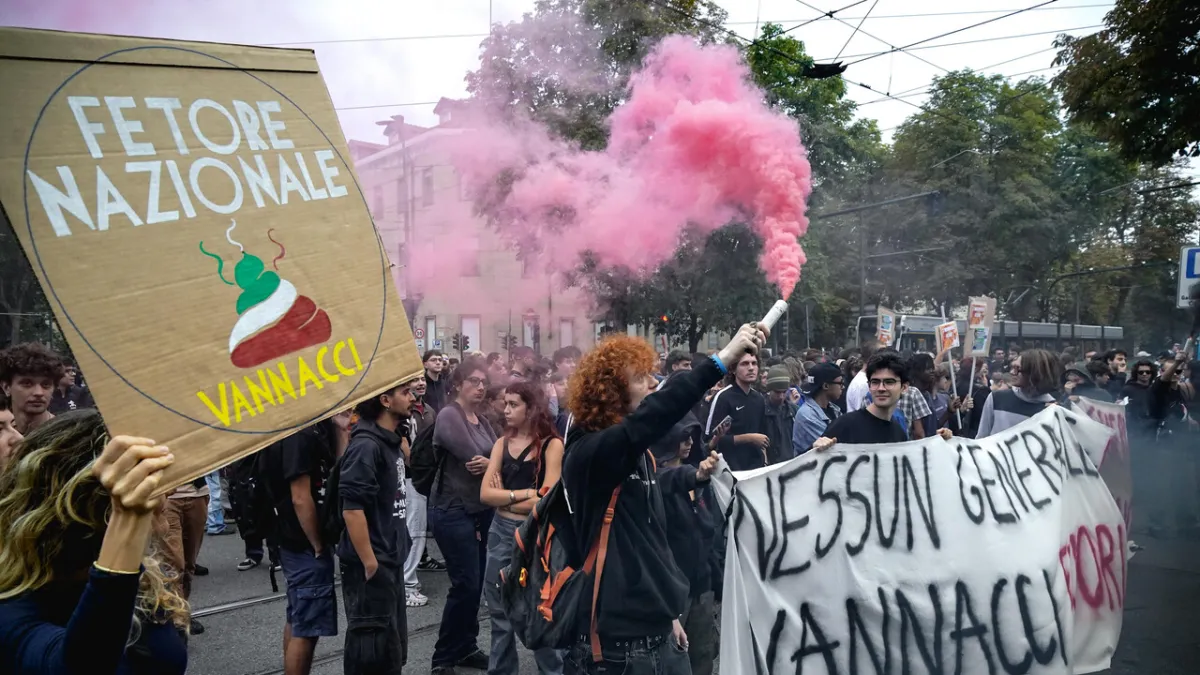
Responding to this ruling, former Public Prosecutor Ralph Knispel expressed his profound concern. “Public confidence in the rule of law is declining. We should not be surprised by this,” he stated. Knispel highlighted how such decisions can erode public faith in justice and the state’s ability to protect its citizens. Similar sentiments were also observed in other controversial cases that led to public outrage and protests against the judicial system, as seen in Bologna recently.
The implications of this ruling extend beyond the individual case. This decision potentially creates a legal precedent that could be exploited by other convicts with refugee status also facing revocation. This will complicate government efforts to deport dangerous individuals who no longer qualify for refugee protection and increase the burden on the justice and security systems.
Politicians from across the spectrum, especially from conservative parties, immediately voiced criticism. They demanded stricter and clearer legal reforms to prevent similar situations from recurring. Meanwhile, some human rights and refugee advocacy groups called for the decision to be respected, emphasizing the importance of fair legal processes and protection for all individuals, regardless of their criminal background.
Debate over the balance between individual rights and public security has been a central issue in Germany for years, and this decision exacerbates the polarization. German legal history records various cases that challenged legal boundaries, highlighting the complexities in interpreting and applying refugee laws amidst global dynamics.
Long-term impacts on Germany’s image of justice internationally are also a concern. Questions arise about how the country can maintain a balance between humanitarian commitments and the need to preserve internal order and security. This ruling risks sending the wrong signal to those who intend to abuse the protection system.
Moving forward, the government is likely to re-evaluate the legal framework concerning the revocation of refugee status and the deportation of criminals. Intense discussions in parliament and among legal experts are expected to continue throughout 2026, seeking solutions to strengthen citizen protection while ensuring justice is proportionally served. This decision opens a new chapter in Germany’s legal and moral debate.