 Demian Sahputra
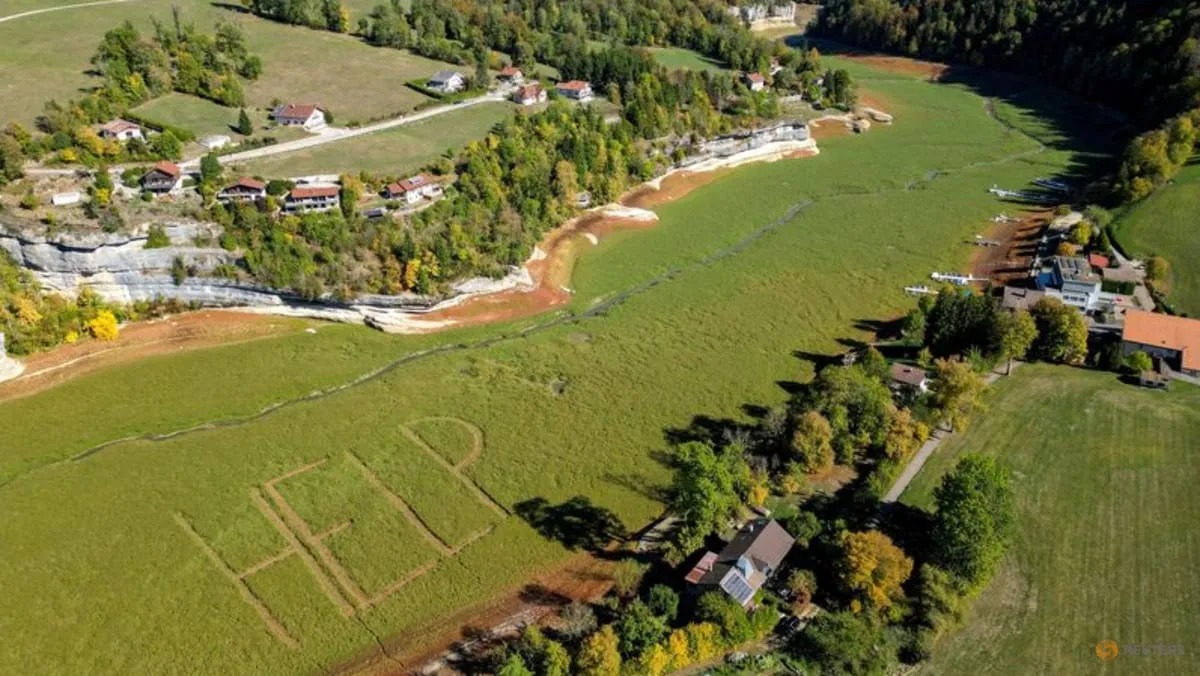
YEREVAN – The world's collective journey towards saving biodiversity faces significant hurdles. The United Nations Conference of the Parties (COP17) in Armenia recently saw urgent efforts to revive a crucial commitment to halt and reverse global nature destruction by 2030, following past failures to meet previous targets. This high-level meeting served as a reflection on recent setbacks and a determinant for the strategic direction of global nature conservation.
Delegates from various nations, including representatives from Indonesia under the leadership of President Prabowo Subianto who reaffirmed national environmental commitments, convened to reformulate approaches. The primary focus was on revitalizing a vital pledge to preserve Earth's ecosystems, an undertaking previously stalled by numerous obstacles.
The ambitious 2030 target, which calls for halting and reversing the trend of nature loss, now faces questions regarding its feasibility. Recent reports indicate that the pace of deforestation, marine pollution, and species extinction is accelerating, far from the established goals.
The failure to achieve initial objectives has sparked deep concern among scientists and environmental activists. Many argue that declarations without concrete implementation will only exacerbate the already acute ecological crisis. A strong global consensus is an absolute prerequisite to mitigating further impacts.
In his opening address, the UN Secretary-General emphasized that time is running out. 'We can no longer delay action. The future of this planet, and the well-being of future generations, depend on the decisions we make now,' he stated, underscoring the urgency of mitigating nature's destruction.
Discussions at COP17 Armenia encompassed various aspects, ranging from conservation funding, green technology transfer, to strengthening local capacities. Stricter oversight mechanisms and sanctions for violators also emerged as key discussion points to ensure accountability.
One of the greatest challenges remains the gap between developed and developing nations regarding financial and technical capacities. Developing countries often face the dilemma between economic growth and environmental preservation, demanding substantial support from the international community.
Several proposals were put forward to accelerate the achievement of the 2030 targets, including increased investment in nature-based solutions and the integration of biodiversity values into macroeconomic policies. Technological innovations are also expected to play a role in ecosystem restoration efforts.
Nevertheless, skepticism persists among some parties. Some observers contend that political rhetoric often does not align with on-the-ground implementation. Strong political will and adequate resource allocation are imperative to materialize these promises.
The importance of civil society and the private sector also received attention. Multi-stakeholder partnerships are considered essential for creating sustainable conservation impacts. Without active participation from all segments of society, these global efforts risk stagnating once again.
This conference is expected to yield a clearer roadmap and more binding commitments. The future of Earth's biodiversity hinges on the ability of nations to translate resolutions into tangible actions, not merely declarations on paper.
Editorial Insight:
The COP17 event in Armenia in 2026 is not just a routine meeting; it is a loud alarm for the global ecological crisis. The failure of previous targets reflects the complexity of issues involving economics, politics, and social dynamics. The success of these latest commitments heavily relies on the political integrity of world leaders and their willingness to invest seriously in nature protection. Otherwise, the 2030 target will merely become another bleak entry in the history of conservation efforts.