 Gabriella
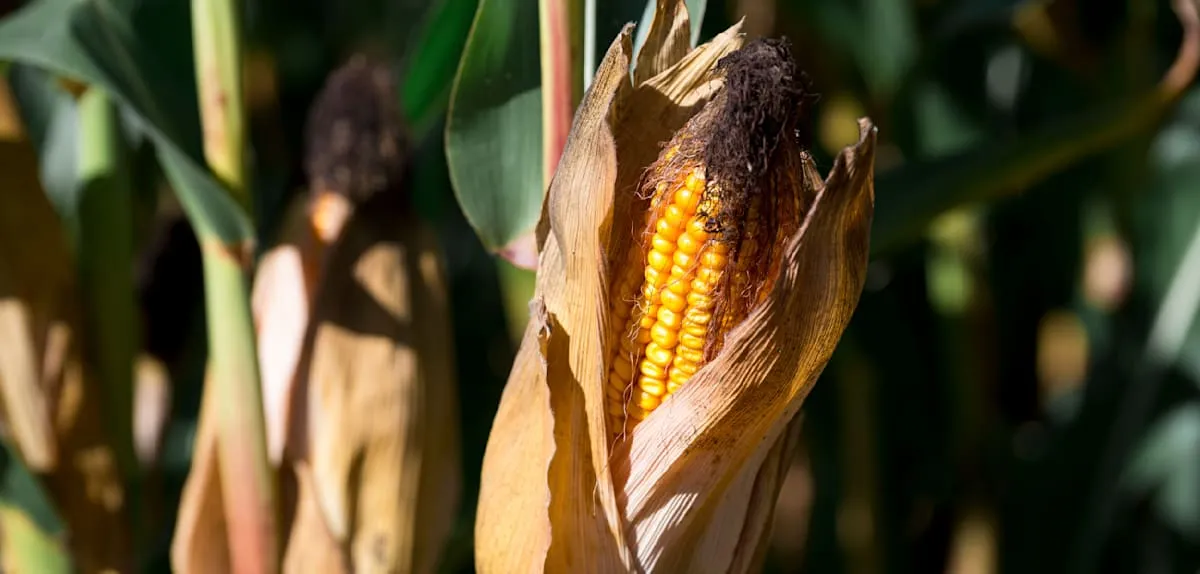
BERLIN – A controversial policy known as the Maisdeckel, or the cap on maize usage for biogas production, is now under intense scrutiny in Germany. This regulation, embedded within the national energy transition framework, is paradoxically hindering biogas's full potential as a crucial stabiliser for electricity supply amidst fluctuating wind and solar energy, raising serious questions about the future of Germany's energy sovereignty in 2026.
The Maisdeckel refers to regulations that limit the proportion of maize allowed in the raw material mix for biogas facilities. While ostensibly aimed at reducing the dominance of maize monoculture and promoting crop diversification, its unintended consequence is restricting much-needed biogas production capacity.
Biogas is renowned as a flexible and dispatchable energy source, capable of operating at any time, regardless of weather conditions. Its ability to fill supply gaps during Dunkelflauten – periods without sufficient wind or sunlight – makes it a vital component in the renewable energy mix.
Energy experts and policy observers highlight the paradox of this policy. Germany's Renewable Energy Act (EEG), which is supposed to accelerate the transition to green energy, is now accused of hindering one of its most reliable solutions. This creates a fundamental mismatch between objectives and implementation.
These restrictions could detrimentally affect the stability of Germany's power grid. Without adequate biogas capacity, dependence on less sustainable energy sources, or even electricity imports from neighbouring countries, could sharply increase, particularly in peak demand scenarios.
From the farmers' perspective, this policy also causes frustration. Maize is an efficient crop for biomass production, and many farmers have invested in infrastructure and expertise to cultivate and process it for biogas plants. These restrictions threaten the sustainability of their business models.
The contradiction becomes even more apparent when examining other German energy policies. For instance, amidst debates about the effectiveness of Germany's questioned e-car subsidies, a policy that hinders crucial domestic energy production appears ill-advised.
However, the government should encourage the diversification of biogas feedstocks through positive incentives, rather than punitive restrictions. Investment in research and development of alternative biomass crops, such as silphie or sorghum, needs to be stimulated without sacrificing existing production capacity.
Several energy industry groups are calling for immediate reform of the Maisdeckel. They argue that the flexibility and reliability of biogas must be prioritised to achieve climate targets and ensure a stable electricity supply.
The implications of this policy are not limited to the energy sector. Potential loss of investment, reduced rural employment, and increased overall energy costs could burden the economy, paralleling concerns from young politicians about the government's burgeoning debt burden.
With ambitious climate targets and continuously increasing energy demands, 2026 is crucial for Germany to re-evaluate its energy strategy. A failure to address this contradiction could slow the pace of the much-needed energy transition.
Editorial Insight: Germany's Maisdeckel policy reflects the complexities of energy transition, often caught in a dilemma between environmental goals and operational realities. Restrictions that impede a stable energy source like biogas, especially amidst volatile renewable supply, could boomerang on Germany's climate ambitions. It is crucial for Berlin to holistically review this regulation, integrating a more adaptive approach to ensure energy security while achieving environmental sustainability. Without careful adjustments, Germany risks facing serious challenges in maintaining the stability of its power grid in the future.