 Debby Wijaya
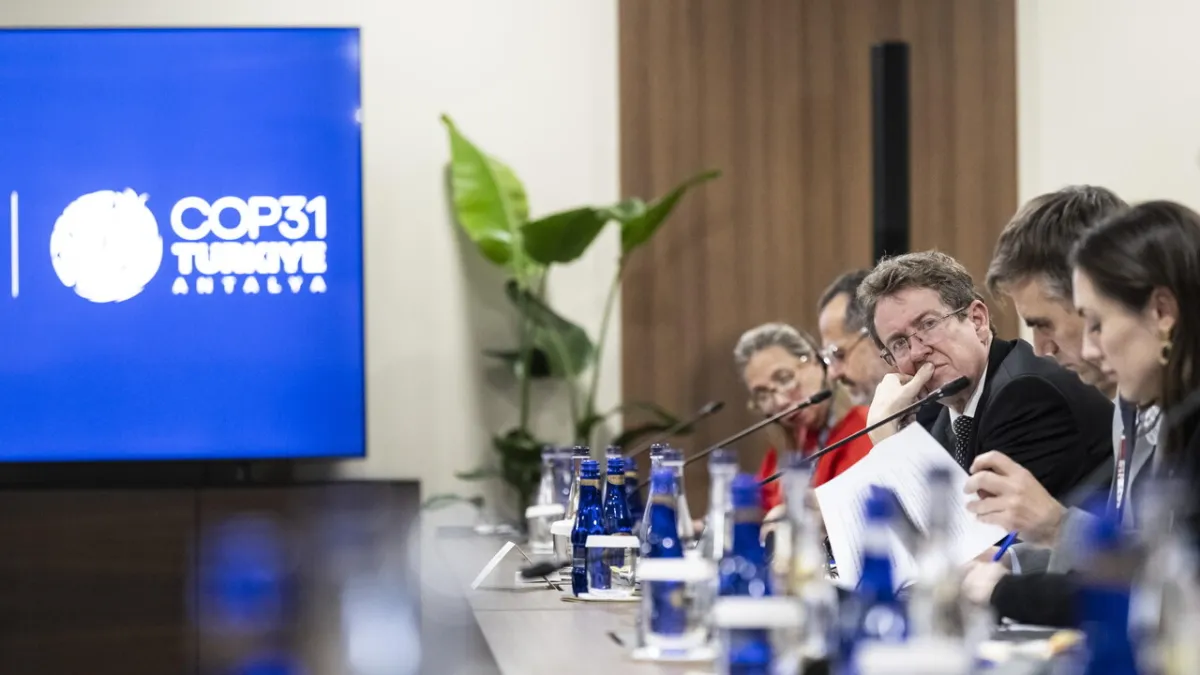
MADRID – The initial draft agreement of the 31st Conference of the Parties (COP31) in Madrid in 2026 approved a massive push towards electrification, a significant advancement in the global energy transition. However, the crucial point regarding the phased abandonment of fossil fuels, previously a hope for many nations and environmental advocates, has vanished from the text. This development immediately triggered serious concerns about the world's real commitment to addressing the climate crisis.
The approval of comprehensive electrification indicates a strong global consensus to shift away from conventional fuel use in various sectors, from transportation to industry. Delegates view this as a vital foundation for building future clean energy infrastructure, aligning with net-zero emission targets.
The absence of explicit language regarding the phase-out of hydrocarbon fuels in the final draft is deeply surprising to many. Previously, this issue was one of the main pillars of global climate discussions, with many developing nations urging developed countries to lead in a just energy transition.
Some behind-the-scenes sources hinted at intense lobbying from oil and gas producing nations, as well as countries whose economies are heavily reliant on fossil energy commodity exports. Economic and geopolitical pressures are believed to have played a major role in this substantial change to the draft agreement.
This situation creates ambivalence. On one hand, the world acknowledges the importance of electrification and renewable energy. On the other hand, the inability to set clear timelines or firm targets for abandoning fossil fuels reveals a chasm between climate ambition and global political economic realities.
Environmental activists immediately voiced their disappointment, accusing this of being a collective failure to address the root cause of climate change. They argue that electrification without a significant reduction in fossil fuel extraction and combustion will only be a partial and inadequate solution.
This situation also highlights differing national approaches. For example, some parties, as seen in Venezuela Shakes COP31: AI Key to Green Oil Revolution?, put forward a narrative about technological innovation to reduce the carbon footprint of their oil industry, rather than completely halting production. Such approaches spark intense debate about the definition of green in the context of fossil fuels.
International political observers suggest that the outcome of this draft could exacerbate tensions between countries most vulnerable to the impacts of climate change and major industrial nations. The ambiguity of this commitment has the potential to undermine trust and solidarity crucial for global climate action.
President Prabowo Subiantos administration in Indonesia, which has committed to an energy transition, will certainly monitor closely the implications of this draft on national policy. Balancing economic growth with sustainability remains a key challenge for many developing countries.
This decision will also impact global energy markets. With electrification approved without a clear deadline for fossil fuels, investments in green technologies are likely to increase, but investments in oil and gas exploration and production may also persist or even grow, predicting continued demand.
Climate scientists, including those from the Intergovernmental Panel on Climate Change (IPCC), have repeatedly warned that drastic and rapid reductions in greenhouse gas emissions are the only way to limit global warming to 1.5 degrees Celsius. The COP31 draft outcome appears to contradict these scientific recommendations.
As the conference nears its close, public pressure and intense negotiations are expected to continue. A big question lingers: will world leaders find the political courage to revise this draft and include more ambitious commitments to phasing out fossil fuels, or will global climate ambition continue to be compromised by short-term interests?
Editorial Insight:
The COP31 draft agreement reflects the inherent complexities and challenges in global climate negotiations. While the focus on electrification is an essential step forward, the withdrawal of the fossil fuel phase-out commitment sends a worrying signal. This is not merely a rhetorical failure, but a strong indication that short-term economic and political interests continue to dominate the agenda, sidelining scientific urgency. The future of our planet largely depends on our collective ability to overcome this dichotomy with courage and long-term vision, which unfortunately has not been fully reflected in this draft.