BERLIN – A controversial statement by Mirze Edis, a Left Party (Die Linke) Member of the Bundestag, openly inviting individuals from Africa, Asia, and Latin America to come to Europe, has ignited a fierce debate on Germany's political stage. This proclamation immediately drew a sharp response from Bernd Baumann, the parliamentary group spokesperson for the Alternative for Germany (AfD), who accused it of being a manifestation of a left-green agenda that he believes threatens the foundations of Germany's welfare state.
Baumann, in his incisive comments, asserted that Edis's call was not merely a casual remark. He described it as a clear symptom of an ideology that progressive groups have cultivated for years. According to Baumann, the implementation of policies stemming from such an ideology would lead to the total destruction of the social state, including Germany. This statement instantly reignited public discourse concerning immigration policies and their impact on the nation's socio-economic capacity.
The core of this controversy lies in the fundamental philosophy of the German welfare state, a model built on principles of solidarity and a robust social safety net. Critics of open migration policies argue that an uncontrolled influx of residents would burden the social, health, and education systems to their breaking point, eroding already fragile fiscal foundations.
Mirze Edis, on the other hand, likely views this invitation as a humanitarian appeal or a manifestation of universalist principles. From his party's perspective, Die Linke, inclusive migration policies are often associated with human rights and a rejection of discrimination, as well as efforts to address global inequality. However, the practical implications of this statement have provided fodder for his political adversaries.
This debate is inseparable from the turbulent political context in Germany. The year 2026 witnesses ongoing tensions between ideological poles, particularly between conservative parties prioritizing border control and economic stability, and progressive parties tending towards more liberal stances on migration issues. These tensions have been evident in various demonstrations and public opinion polarization, as documented in an article about turbulent Germany.
The AfD party, which consistently voices concerns about mass immigration, utilized Edis's statement as ammunition to reinforce their narrative about threats to national identity and welfare. They highlight that policies deemed left-green often insufficiently consider the financial burden and long-term social integration.
Concerns about the 'destruction of the social state' are not new. Various economic and social reports periodically underscore demographic challenges, pension burdens, and increasing public service needs. Population growth through migration, without adequate integration strategies and economic support, could exacerbate these pressures.
This statement also indirectly reintroduces the issue of the European Union's capacity to manage migration waves. Germany, as one of Europe's economic engines, has always been a primary destination for asylum seekers and migrants. German national policies often have broad impacts on regional migration policies.
The discourse also touches on demographic aspects. With Germany's aging population, some parties view migration as a solution to labor shortages. However, this solution comes with prerequisites for successful integration, both economically and culturally, to avoid social friction.
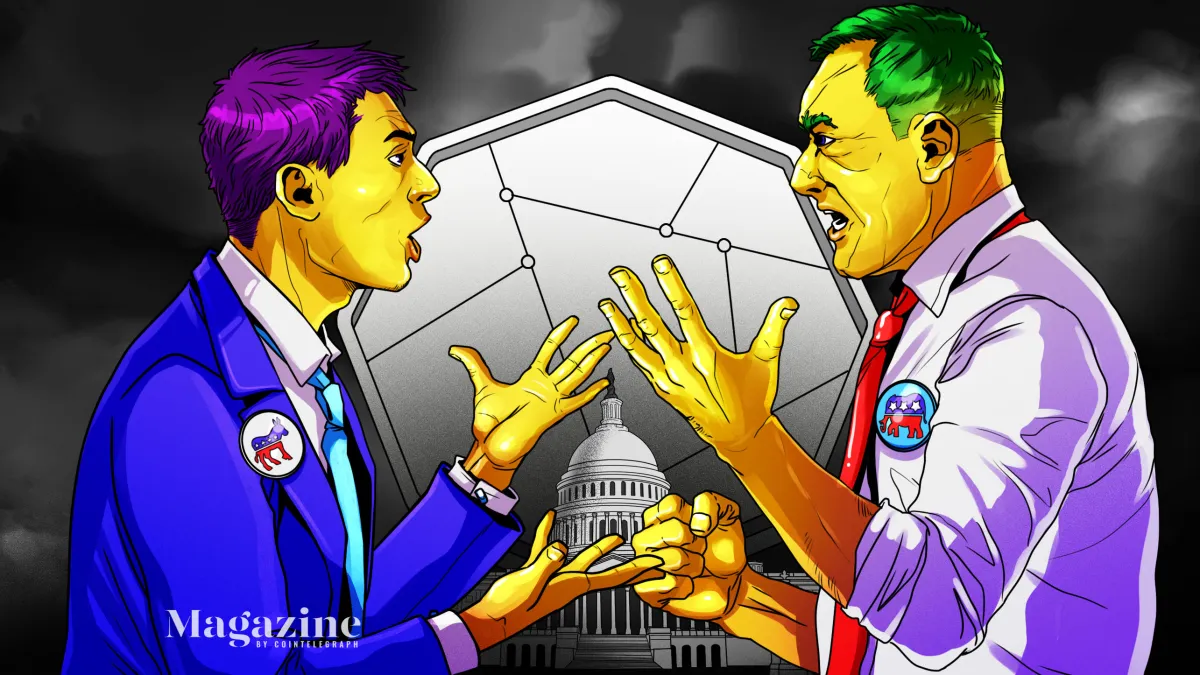
Edis's statement and Baumann's response illustrate the deepening polarization in German politics. This is not merely about migrant numbers, but about Germany's vision for the future: whether it will maintain a strict welfare state model or shift towards a more open society with potentially greater socio-economic risks.
The German public is now divided between humanitarian arguments and economic pragmatism. While progressive groups may prioritize global solidarity, conservative groups emphasize the sustainability of existing social systems and the protection of the interests of citizens who have contributed.
This situation demands that policymakers find constructive common ground. Discussions must shift from polarizing rhetoric towards concrete solutions that balance humanitarian commitments with the state's capacity. Failure to do so will only deepen social divisions.
Editorial Insight: The incident involving Mirze Edis and Bernd Baumann's sharp criticism is more than just ordinary political intrigue. It is a symptom of a larger battle of narratives concerning identity, sustainability, and the future of Europe in facing demographic and globalization challenges. Migration policy will continue to be a key ideological battleground, with profound consequences for Germany's social cohesion and economic stability in the coming years. Comprehensive solutions that transcend partisan rhetoric are urgently needed to prevent further erosion of the nation's social foundations.