 Angela Stefani
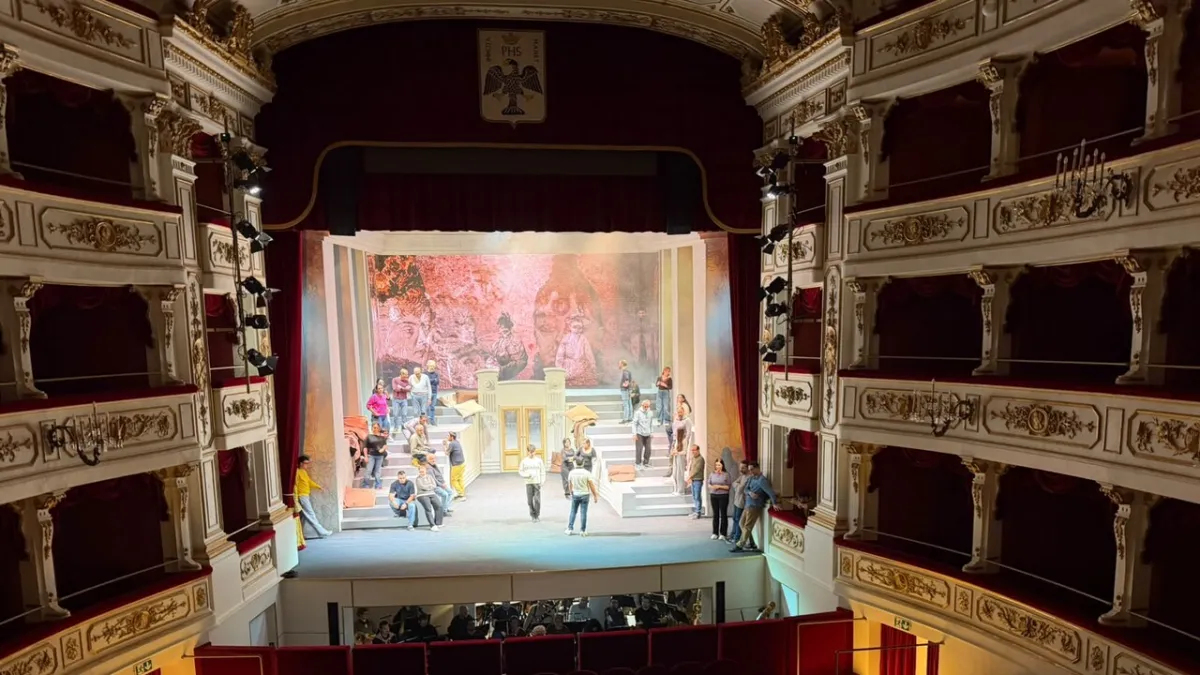
L'AQUILA – A historic gala evening enveloped the city of L'Aquila, Italy, as Prime Minister Giorgia Meloni witnessed the premiere performance of Giuseppe Verdi's iconic opera 'La Traviata'. This monumental event, held in 2026, marked the reopening of the city's Municipal Theater and showcased the brilliant vision of director Pasotti, who boldly blended classical tradition with touches of modernity. Pasotti emphatically stated the need for 'courage' to attract younger generations to love art.
Pasotti's staging of 'La Traviata' was not merely a re-performance; it was a visual dialogue between Verdi's timeless artistic legacy and a relevant contemporary interpretation. The director's vision aimed to break down barriers between the audience and the stage, creating an immersive experience that captivated both seasoned opera enthusiasts and newcomers to the world of classical art.
The revival of the Municipal Theater in L'Aquila holds profound significance. After years of hardship, the reopening of this historic building is not only a symbol of the city's physical recovery but also marks the long-awaited resurgence of its cultural spirit. It stands as a testament to the city's resilience and its commitment to art and heritage.
'La Traviata' itself, with its haunting melodies and narrative of love, sacrifice, and social conflict, remains one of opera's most relevant masterpieces. Pasotti strategically chose this work, seeing its potential to speak to modern audiences, especially younger generations, through a fresher, more provocative lens.
Prime Minister Meloni's presence on opening night underscored the importance of political support for the arts and culture sector. This sends a strong signal from the Italian government that art is viewed as a vital pillar of national identity and a driving force for social recovery. Such high-profile governmental involvement often acts as a catalyst for broader public investment and appreciation.
In a statement to the media, Pasotti affirmed, 'It takes courage to bring classical opera to today's public, especially young people. We cannot merely replicate the past; we must reinterpret it with the spirit of the times, demonstrating that classical art is still breathing and relevant.' This statement became the core of his performance philosophy.
The endeavor to attract younger audiences is a significant challenge for the world of classical arts. With the modern touches Pasotti infused into 'La Traviata', it is hoped that the perception of opera as an outdated art form can be broken. Innovative lighting, minimalist stage design, and even more dynamic character interpretations were all part of this strategy.
This cultural resurgence in L'Aquila echoes stories of historical site recovery, much like how the mystery of The Name Of The Rose Abbey came back to life 40 years later. It demonstrates the power of art and heritage to unite communities and provide a new identity post-disaster or stagnation.
Public reaction to the performance varied, but was largely positive. Critics lauded Pasotti's boldness and the cast's ability to breathe new life into classic characters with fresh energy. The audience's enthusiastic applause, including a resounding ovation from Meloni, indicated the success of this endeavor.
Initiatives like this in L'Aquila could serve as a model for other cities across Italy and Europe. Through collaboration between visionary artists, governmental support, and proactive community response, classical art has a bright future and can continue to inspire future generations.
Editorial Insight:
The 'La Traviata' performance in L'Aquila is not merely an opera show, but a powerful manifestation of cultural recovery and artistic courage. Prime Minister Meloni's presence highlights the strategic position of art in Italy's national agenda, making it more than just entertainment, but an investment in collective identity and spirit. This step has the potential to spark a wave of similar art revitalizations across the country, proving that tradition can thrive without sacrificing relevance in the modern era.