 Demian Sahputra
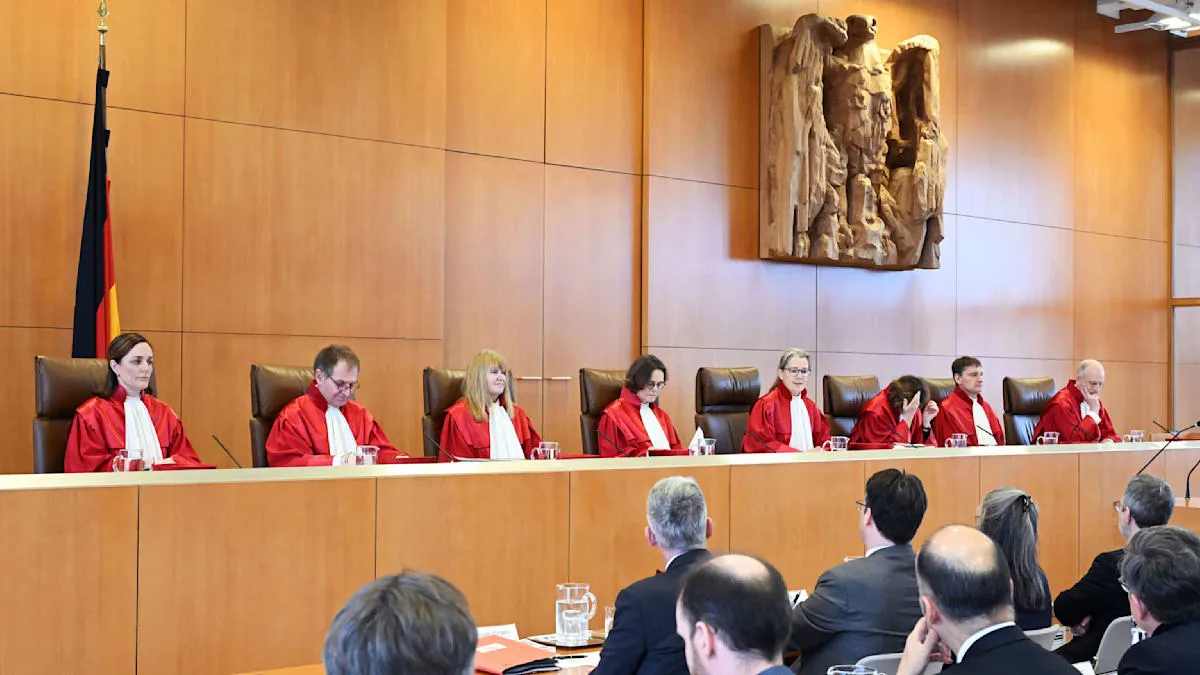
KARLSRUHE — The German Constitutional Court recently issued a significant ruling concerning the controversial Heating Act (Heizungsgesetz). This decision, delivered through an urgent procedure, profoundly impacts the previous Ampel coalition's initiative to make Germany's heating systems more climate-friendly, while also highlighting intense debate over the substance and legislative process in the country.
The Heating Act, a cornerstone of the former ruling Ampel coalition's climate ambitions, was designed to encourage a transition from fossil fuels to renewable energy sources in household heating systems. Its primary goal was to drastically reduce carbon emissions, aligning with Germany's international climate commitments.
However, since its initial proposal, the law has triggered widespread criticism from various circles. Not only did the substance of the regulation draw both support and opposition, but also the hurried and seemingly less transparent manner in which it was formulated.
Entrepreneurs, property associations, and even some parliament members voiced concerns about the financial burden that would be placed on households and the private sector. They argued that strict deadlines and costly technical requirements could trigger social and economic upheaval.
Criticism also focused on the legislative process. Many accused the government of not allowing sufficient time for adequate public consultation, and of limiting the participation of experts and interest groups in the final drafting. This raised serious questions about democratic principles and openness in critical policymaking.
Opposition parliamentarians consistently called for the government to re-evaluate their approach. Some even openly accused the government of disregarding public concerns to fulfill ambitious political agendas. This situation illustrates a strong “political firewall” in German policy discourse, as touched upon in the article Kretschmer Urges Germany to End Political Firewall, Talk to Everyone.
In response to this pressure, a lawsuit was filed with the German Constitutional Court. An urgent procedure (Eilverfahren) was chosen to expedite the legal review of alleged constitutional violations, especially concerning citizens' fundamental rights and fair legislative processes.
The Constitutional Court's ruling marks a significant turning point. While the full details of the judgment will be elaborated further, the Constitutional Court underscored the importance of due process principles and the protection of fundamental rights in the enactment of any law.
Political observers believe that this ruling will likely force the government to revise several key aspects of the Heating Act, particularly concerning implementation timelines or financial support schemes for citizens. It also serves as a reminder of the judiciary's power in overseeing legislative authority.
Responses from various parties are diverse. Environmental groups voiced hopes that climate goals would not be diluted, while the industry demanded clarity and more realistic support. The government itself now faces the difficult task of balancing climate ambitions with constitutional compliance and public acceptance.
This decision also has broad implications for Germany's future climate policy. The government in 2026 must learn from this criticism, ensuring that every energy transition policy involves broader consultation and considers socio-economic impacts comprehensively.
In addition to climate policy challenges, Germany also faces various economic issues. The freezing of research funds for SMEs, as discussed in the article Germany Freezes SME Research Funds: Threat of National Innovation Stagnation?, demonstrates the complexity of issues that the country's current leadership must address.
With this ruling, the Constitutional Court not only upholds the rule of law but also sends a strong message to parliament and the government about the importance of a careful, participatory, and constitutional legislative process. The future of the Heating Act and Germany's climate policy now stands at a crucial crossroads.