 Demian Sahputra
PARIS — Amidst Russia's escalating military aggression through the use of advanced ballistic missiles that are difficult to intercept, world leaders convened in Paris in early 2026. This "Coalition of the Willing" meeting aimed to formulate a comprehensive diplomatic solution to end the conflict in Ukraine, while simultaneously pressuring Moscow to accept a crucial ceasefire offer for regional stability.
The situation on the front lines in Ukraine has become increasingly dire. Recent intelligence reports indicate that Russia has systematically deployed new types of ballistic missiles capable of penetrating conventional air defense systems, causing significant damage and increasing civilian casualties. This exacerbates the humanitarian crisis and complicates peace efforts.
The high-level meeting in the French capital brought together representatives from various European nations and Western allies. The primary agenda was to unify vision and strategy to exert stronger political and economic pressure on the Kremlin, and to guarantee Ukraine's sovereignty and security. International solidarity is key in this endeavor.
Jürgen Hardt, a key figure from Germany's Christian Democratic Union (CDU), unequivocally stated the bloc's commitment. "We are ready to guarantee Ukraine's security," Hardt declared, reaffirming Berlin's steadfast position in supporting the territorial integrity and sovereignty of the former Soviet state. This statement reflects Europe's ongoing determination.
Hardt's statement is not mere political rhetoric. It underscores the "Coalition of the Willing's" seriousness in providing long-term support, whether in the form of military, economic, or diplomatic aid. They argue that the proposed solution being discussed in Paris represents the best opportunity for Russia to withdraw from further escalation.
Diplomats in Paris are drafting a package of proposals encompassing various elements, from an immediate ceasefire and troop withdrawal from conflict zones, to a framework for negotiating the future status of certain regions. This offer is designed to provide an honorable exit for all parties, although it will require significant concessions from Russia.
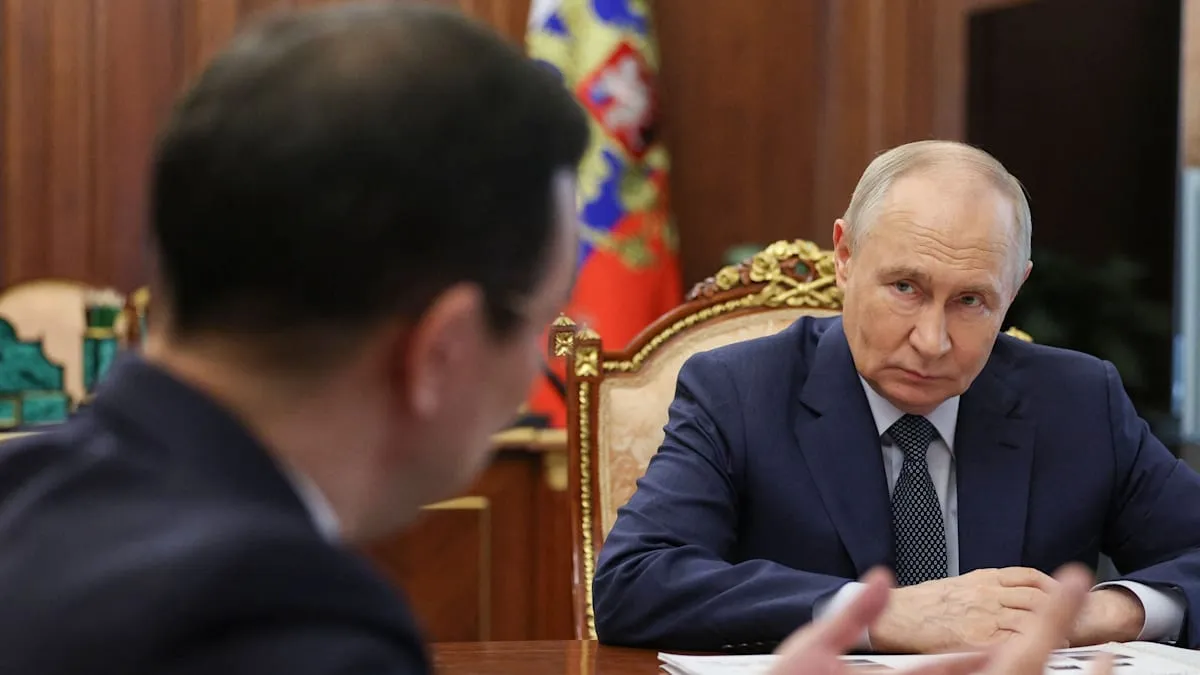
The greatest challenge lies in convincing President Vladimir Putin to accept the offer. Given Russia's pattern of often rejecting external intervention in its security affairs, this diplomatic process is expected to be arduous and require marathon negotiations.
Concerns about further escalation form a crucial backdrop. Analysis from strategic research institutions suggests that a failure to reach a diplomatic agreement could potentially trigger a wider wave of conflict, involving regional and global actors with unpredictable consequences for global stability.
International support for Ukraine also continues to flow. Several countries in Eastern Europe are proactively increasing their defense capabilities, anticipating potential regional threats. Meanwhile, discussions regarding Ukraine's accession to the European Union continue, symbolizing hope for the country's future.
In this context, it is important to consider the relevance of Ukraine's accession to the European Union. This process not only signifies economic and political integration but also strengthens Ukraine's security framework. Discussions regarding The Path Towards Open Accession 2026, previously proposed, demonstrate a long-term commitment.
The meeting in Paris is expected to yield not only a declaration of intent but also concrete steps and effective monitoring mechanisms. The international community needs to ensure that any agreement reached is binding and can be strictly implemented.
The future of peace in Europe and global security now depends on the willingness of all parties to compromise and prioritize dialogue. This diplomatic offer being formulated is a test of the world's capacity to resolve conflicts through peaceful means, without sacrificing the principles of sovereignty and international law.