 Chris Robert
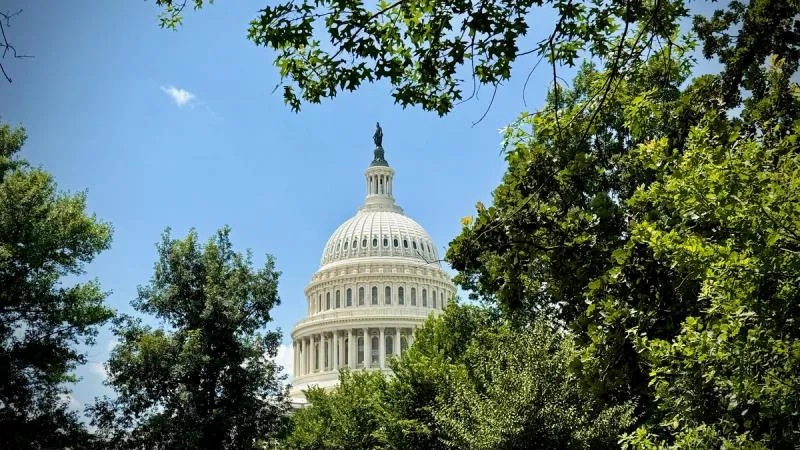
WASHINGTON DC – Cryptocurrency industry stakeholders are expressing significant pessimism regarding potential legislative breakthroughs during the lame duck session of the United States Congress, set to conclude at the end of 2026. With the increasingly dominant Democratic Party preparing to implement their own comprehensive crypto and technology agendas in 2027, this transitional period is largely expected to yield no substantial regulatory surprises that could impact digital markets.
Policy observers in Washington DC indicate that legislative power transitions often create periods of stagnation. Members of Congress who were not re-elected or are retiring tend to focus on other issues, leaving complex policies such as digital asset regulation unattended. The Democrats' dominance in Congress also grants them the flexibility to defer discussions until the next session.
Crypto market participants, including investors and startups, are now shifting their focus to the coming year, hoping for regulatory clarity that can support industry growth. The absence of a robust legal framework has long been a barrier to innovation and mass adoption of blockchain technology and digital assets in the United States.
Major legislative actions rarely occur during a lame duck session when there's a clear shift in majority, stated a digital policy analyst who wished to remain anonymous. The incoming policymakers, especially from the Democratic Party, have prepared comprehensive proposals. They don't want to rush half-baked solutions from an outgoing Congress.
This stagnation could prolong market uncertainty, which has previously experienced significant shocks in 2026. Bitcoin, as the leading cryptocurrency, temporarily dropped to a four-month low, triggering panic among investors. Without clear regulations, market volatility is expected to remain high.
The Democratic Party, now holding full control of both chambers of Congress, has indicated their priorities lie in consumer protection, financial risk mitigation, and responsible innovation within the crypto sector. Their plans include the potential establishment of a dedicated oversight body or the expansion of mandates for existing regulators, such as the Securities and Exchange Commission (SEC) and the Commodity Futures Trading Commission (CFTC).
While the United States grapples with a slow legislative process, several other nations have taken aggressive steps in formulating crypto regulatory frameworks. The European Union, for instance, is significantly ahead with its MiCA (Markets in Crypto-Assets) regulation, providing legal clarity for companies and investors. This positions the US at risk of falling behind in global innovation competition.
President Donald Trump's administration, while often skeptical of certain aspects of digital assets, also acknowledges the urgency of balanced regulation. However, the current administration's primary focus remains on macroeconomic stability and geopolitical issues, making crypto a secondary priority for the remainder of this congressional term.
Thus, US crypto industry players appear destined for a waiting game. They are not anticipating any silver linings or sudden advantages from this impending legislative session. Instead, the greatest anticipation is directed towards more coordinated and purposeful legislative initiatives expected to emerge at the beginning of the new congressional session in 2027.
Editorial Insight: The stagnation of crypto regulation in the US Congress's lame duck session reflects the complexity and polarization of digital asset issues in the political arena. This delay risks hindering domestic innovation and driving talent migration to more regulation-friendly jurisdictions. The Democrats' move to craft a comprehensive agenda for 2027, though slow, may lead to a more mature and sustainable framework, but the challenge lies in harmonizing diverse interests for market stability and consumer protection.