 Chris Robert
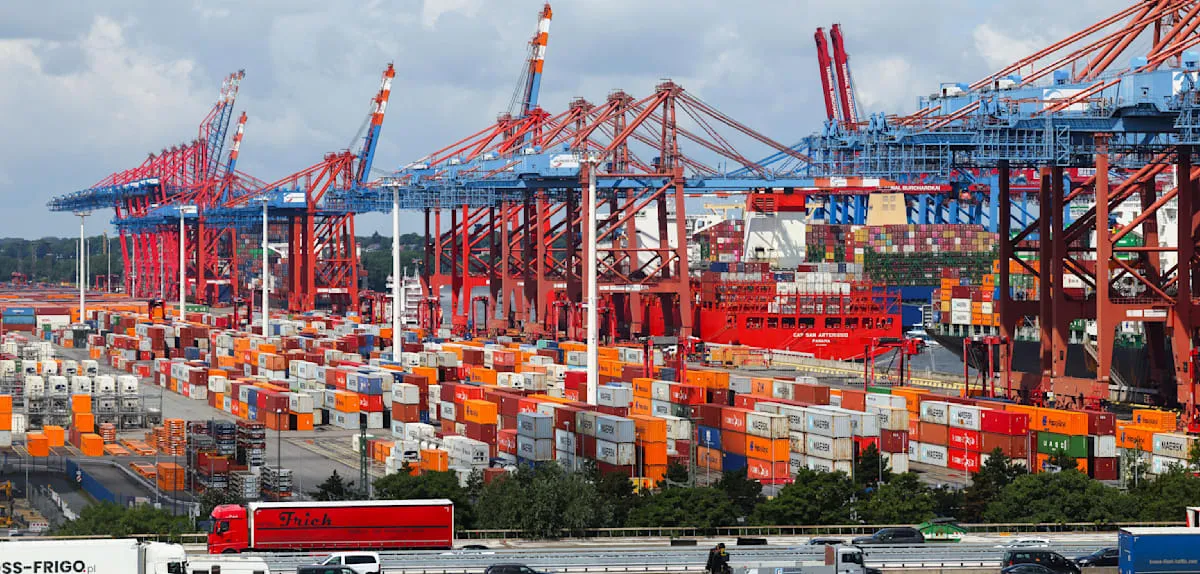
HAMBURG — The Zentralverband der Deutschen Seehafenbetriebe (Central Association of German Seaport Operators) has emphatically urged the federal government to equalize the level of protection for port facilities with that of airports. This demand arises following the discovery of explosive-laden drones at Leipzig Halle Airport, which highlights the vulnerability of Germany's crucial infrastructure to potential cyber and physical attacks in 2026.
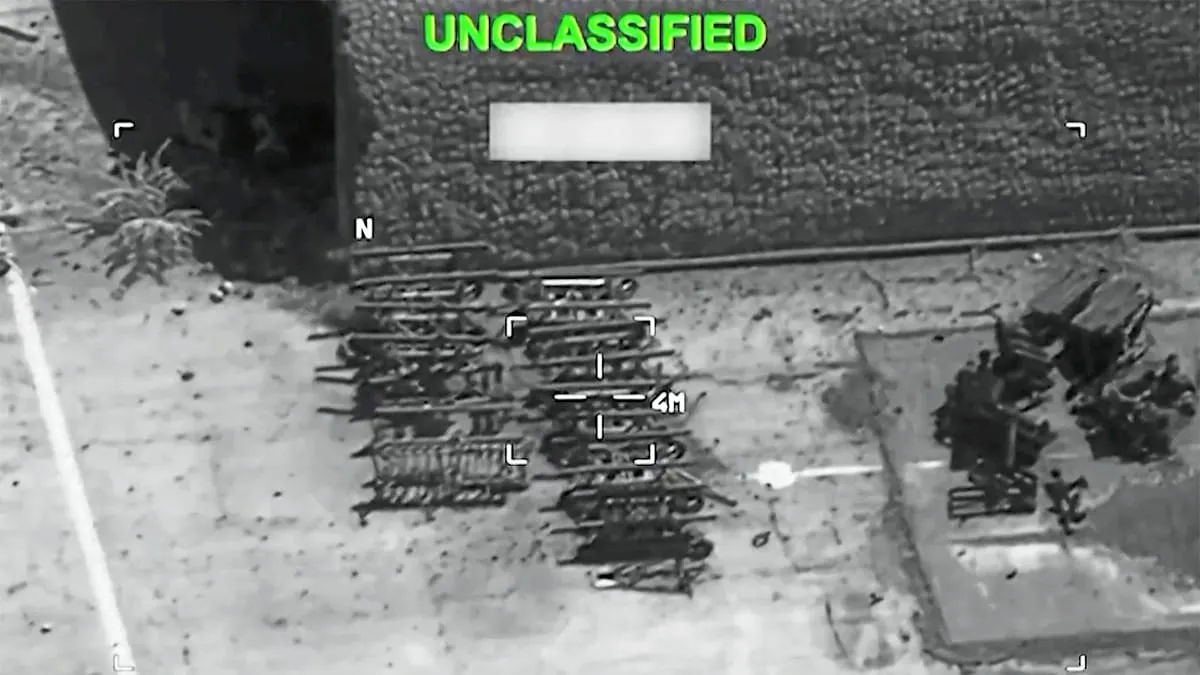
The incident at Leipzig Halle Airport exposed a significant security gap. The drones, confirmed to be carrying explosives, triggered serious concerns regarding the potential threat to the nation's vital transport infrastructure. This revelation served as a catalyst for the port association to demand more comprehensive and uniform security measures.
German seaports are the lifeblood of the global economy, serving as primary gateways for international trade and logistics. Their vulnerability to attacks, particularly from modern technologies like drones, could lead to massive supply chain disruptions, substantial economic losses, and even threats to human lives and the environment.
The President of the Zentralverband der Deutschen Seehafenbetriebe, whose name was not mentioned in the release, stated that the discrepancy in security standards between airports and ports is no longer tolerable. “Our sea and air routes are vital pillars of our economy. The security of one must not come at the expense of the other,” he remarked, emphasizing the need for equal investment and regulation.
This request includes the implementation of advanced drone detection and defense technologies, an increase in trained security personnel, and the development of integrated emergency response protocols. Currently, port security systems are considered to lag significantly behind the layered protection implemented at international airports.
Security analyses indicate that the modus operandi of drone attacks is becoming increasingly sophisticated, including the ability to evade conventional radar detection. This necessitates the adoption of more adaptive anti-drone systems, capable of neutralizing threats without endangering port operations or surrounding areas.
The German federal government, led by Chancellor Scholz in 2026, is expected to respond seriously to this demand. Past incidents, including sabotage threats to critical infrastructure, have placed national security issues at the forefront of priorities.
The integration of artificial intelligence-based surveillance systems, thermal sensors, and radio frequency jammers are some of the technological solutions that can be adopted. However, their implementation requires strong inter-agency coordination and significant budget allocation.
Security experts believe that the protection of maritime infrastructure is not only a national responsibility but also requires international cooperation. Given that most German ports are connected within European and global trade networks, any vulnerability can have widespread domino effects.
Therefore, equalizing port security standards with airports will not only strengthen Germany's defense but also enhance the confidence of trading partners and regional economic stability amidst the constantly evolving global geopolitical dynamics in 2026.