 Dodi Irawan
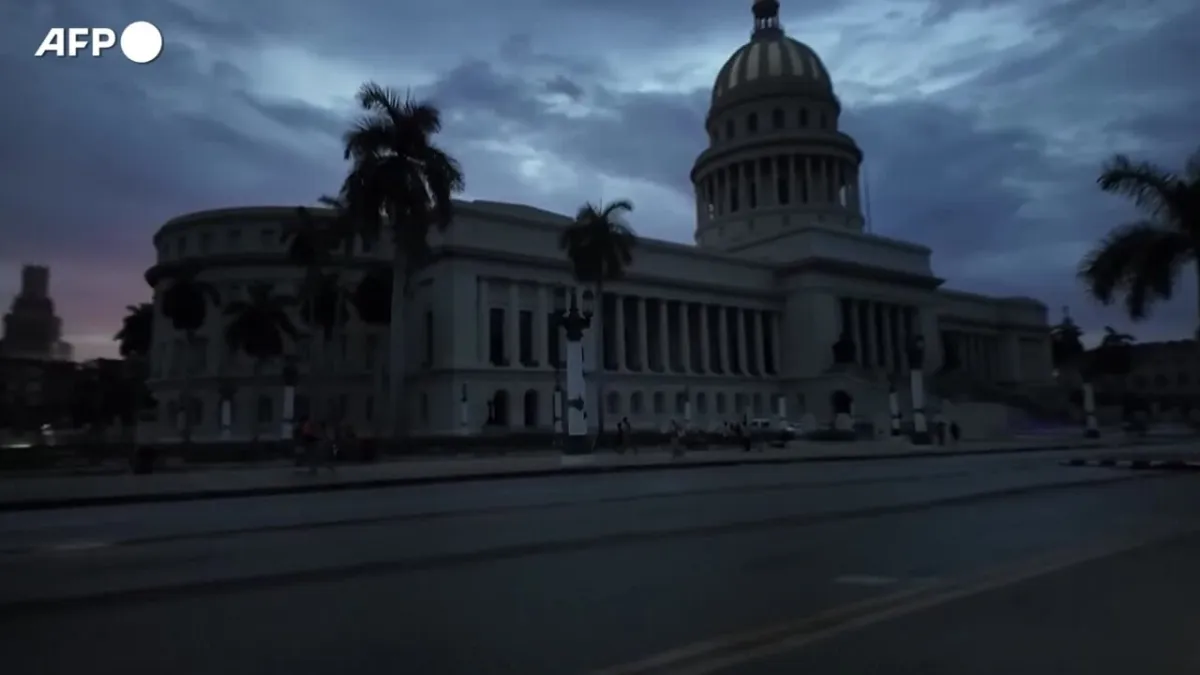
Havana — Cuba's capital, Havana, plunged into total darkness again earlier this week after a massive power outage crippled much of the region. The incident, occurring from Sunday night into early Monday morning, raises serious concerns about the stability of the island nation's long-vulnerable energy infrastructure.
This widespread disruption to the electricity supply left Havana's streets in pitch black, halting citizen activities and causing widespread inconvenience. Various vital sectors, from transportation to public services, were forced to cease operations, exacerbating the daily challenges faced by residents.
According to local media reports, power restoration efforts have been slow and fraught with difficulties. The island is known for its aging electrical system, which often struggles to withstand peak loads, especially during extreme summer months prevalent in the Caribbean region.
This blackout is not a new occurrence for Cuba. Over the past few years, the country has continuously grappled with a chronic energy crisis, triggered by a combination of international economic sanctions, a lack of investment in infrastructure, and reliance on aging power plants.
Havana residents, already accustomed to electricity supply fluctuations, are now at the peak of their frustration. "Every time it rains or there's a small problem, the power immediately goes out," said Maria Rodriguez, a resident interviewed outside her home. "We can only wait and hope, but this has become part of our lives."
The Cuban government, through the Ministry of Energy and Mines, has issued an official statement acknowledging the widespread disruption. They claim to be deploying all resources to expedite the restoration process but have not provided a clear estimate of when electricity supply will return to normal across all areas.
Independent energy analysts highlight that this problem is not merely a transient technical failure but rather an indication of systemic breakdown. Cuba's generation infrastructure and transmission grid require substantial modernization, demanding significant investment—something difficult to achieve amidst current economic conditions.
This energy crisis also has a significant impact on the tourism sector, one of Cuba's economic mainstays. Darkened cities and disrupted services can diminish the appeal of this destination for international tourists seeking comfort and modern amenities.
The year 2026 is projected to be crucial for Cuba to address its vital infrastructure challenges. Without substantial reforms and investment in the energy sector, recurring blackouts will likely continue to overshadow the lives of the Cuban people and hinder national development.
Despite efforts to diversify energy sources, including explorations into renewable energy, the progress made remains far from sufficient to overcome the existing supply deficit. Dependence on volatile-priced imported fossil fuels also adds to the nation's economic burden.
The situation in Havana remains shrouded in uncertainty. Many residents opt to stay outdoors to seek fresh air and a little light, creating a unique scene amidst the profound darkness. Emergency lamps and candles serve as the primary illumination in most neighborhoods.
The international community and global financial institutions continue to monitor developments in this crisis, although direct intervention is often hindered by geopolitical complexities. This situation demands sustainable long-term solutions, not just sporadic fixes.