 Gabriella
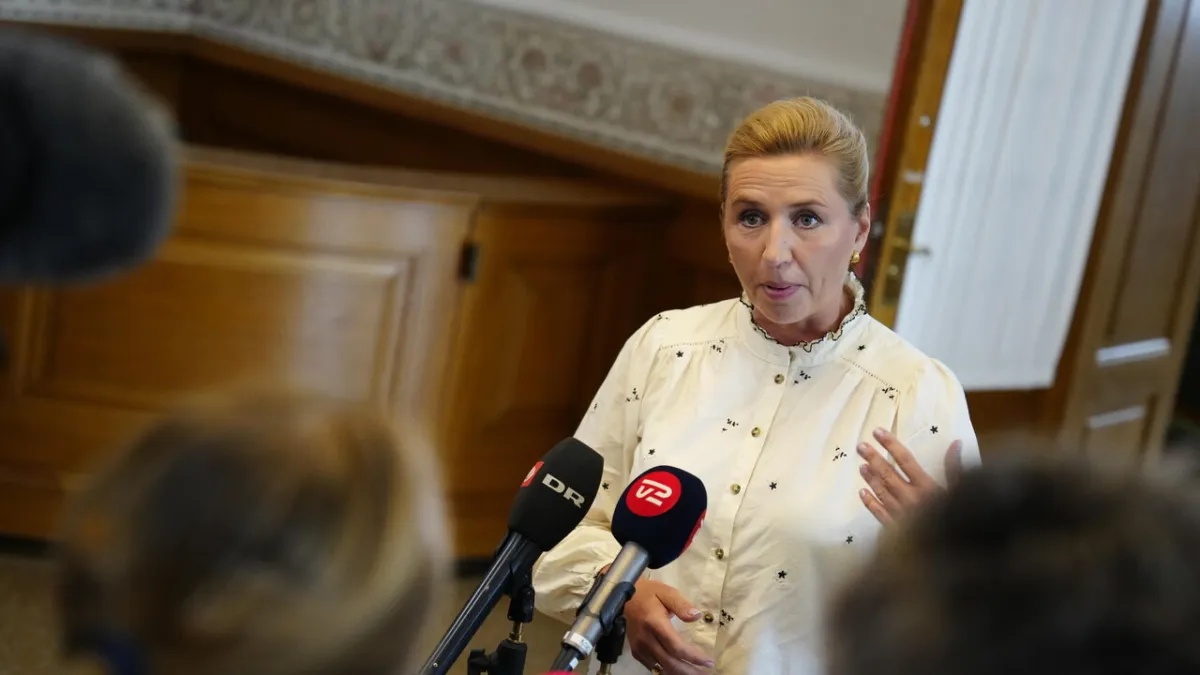
COPENHAGEN – Danish Prime Minister Mette Frederiksen explicitly stated her country's readiness to close borders if global migration flows surge again. Frederiksen delivered this firm declaration during an urgent debate in the Copenhagen Parliament, highlighting deep concerns over a potential migration crisis similar to one that previously engulfed Europe.
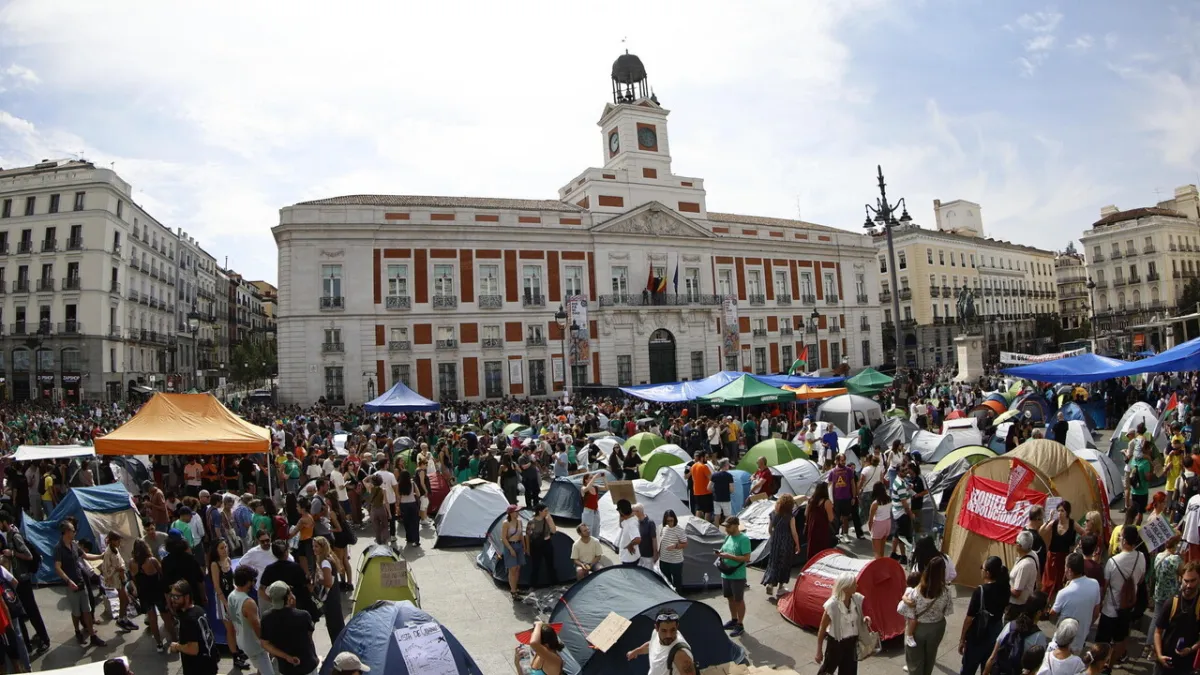
The debate centered on the situation in Ceuta, an autonomous Spanish city in North Africa, which frequently serves as a flashpoint for migrants attempting to reach mainland Europe. Conditions in Ceuta are often considered an early barometer for larger potential waves of migration.
Frederiksen, leader of the Social Democrats, affirmed her government's pragmatic stance on this sensitive issue. We are ready to close the borders if migratory flows increase again, Frederiksen stated, underscoring Denmark's national security priorities and social integration capacity.
Denmark's immigration policy over the past few years has been among the strictest in Europe. Her government has consistently promoted measures that limit the number of asylum seekers and accelerate deportation processes for those whose applications are rejected.
The threat of border closure is not merely political rhetoric but a reflection of Europe's bitter experience in the mid-previous decade. The surge in refugees and migrants at that time sparked social tensions, integration challenges, and political divisions within the European Union.
The situation in Ceuta, with continuous pressure from waves of migrants attempting to cross border fences, is often seen as a microcosm of the challenges faced by the European Union as a whole. Incidents there frequently trigger fierce discussions about shared responsibility and solidarity among member states.
Premier Frederiksen's statement has the potential to ignite a new wave of debate among European Union member states, particularly concerning the principles of free movement and solidarity in addressing humanitarian crises. Several countries, such as Sweden and Germany, have previously grappled with the consequences of their open-door policies.
Copenhagen itself has become a hub for intense debate on how to balance international commitments to human rights with national interests in maintaining order and social stability. Public opinion in Denmark tends to favor a more restrictive approach.
Increased migration pressure from North Africa and the Middle East is predicted to be one of the main geopolitical challenges in 2026. Prolonged conflicts and deteriorating economic conditions in several regions remain key drivers of displacement.
Denmark's move can also be seen as a signal to Brussels to collectively strengthen the EU's external border controls, rather than placing the entire burden on frontline states. This echoes strict policies also implemented in other countries, such as the wave of US visa revocations affecting over 175,000 foreign nationals under President Donald Trump's policy, indicating a global trend towards tighter immigration control.
Editorial Insight:
Prime Minister Frederiksen's firm stance indicates a paradigm shift in European migration policy, increasingly emphasizing national sovereignty and border control. This is not merely a response to a potential crisis but also a reflection of domestic political pressures and the failure of collective EU efforts to formulate a comprehensive migration solution. Denmark's threat could set a precedent for other member states, ultimately eroding the foundations of Schengen and the principle of European solidarity. Brussels needs to respond promptly with more effective and coordinated strategies to prevent further fragmentation.