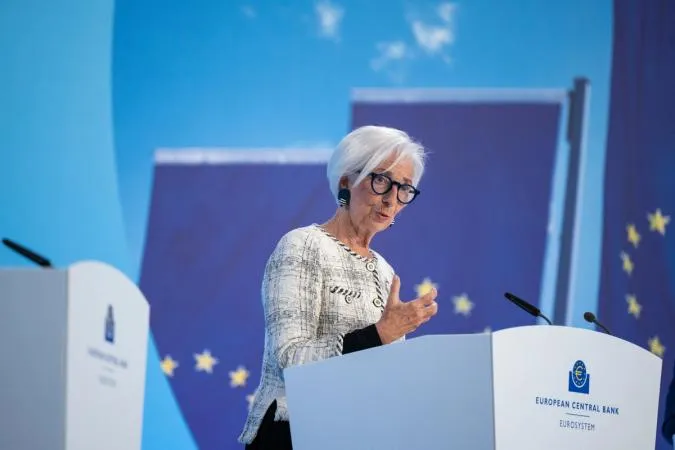
FRANKFURT – The intense race for the European Central Bank (ECB) presidency is heating up, ahead of Christine Lagarde's term ending in February 2027. Fundamental issues regarding the future of digital finance, particularly views on Bitcoin, stablecoins, and central bank digital currencies (CBDCs), are becoming a central focus that could determine the direction of monetary policy in the eurozone.
The leading candidates speculated to fill this strategic position generally show a less accommodating stance towards crypto assets. An informal consensus suggests that most prospective ECB leaders are conservative, displaying little enthusiasm for the digital asset ecosystem.
This stance raises significant questions about how Europe will navigate an increasingly digitized global financial landscape. As other central banks worldwide explore various forms of financial innovation, the ECB may maintain a more cautious and tightly regulated approach.
Skeptical views on Bitcoin are often based on its volatility and concerns about its use in illicit activities. Meanwhile, stablecoins are seen as a potential risk to financial stability if not adequately regulated, especially in the context of the euro's dominance.
Regarding CBDCs or the digital euro, candidates will likely support a guided development, but with a strong emphasis on central bank control and careful integration into existing financial systems. This aims to minimize potential disruption while maximizing benefits for monetary stability and efficient payments.
A new, less crypto-friendly ECB leadership is feared to slow down financial innovation in Europe. The digital asset community argues that an overly conservative approach could hinder the growth and adoption of blockchain technology, which holds transformative potential.
Debates on how to regulate and integrate digital assets into traditional financial systems have been a hot topic in various global forums. The ECB's forthcoming decisions will send a strong signal to the market about the European Union's seriousness in embracing or limiting this digital revolution.
Christine Lagarde herself, during her tenure, has shown caution towards crypto assets, often calling for stricter regulation. Therefore, the tendency of her successors to maintain a similar policy line is not entirely surprising.
Regulatory measures such as the Markets in Crypto-Assets (MiCA) framework, already agreed upon in the European Union, demonstrate a desire to control this sector. With new leadership holding similar views, MiCA's implementation will likely be strengthened, creating a solid yet potentially restrictive framework for crypto innovation.
This leadership transition at the ECB in 2027 is not just a change of figures but a determination of monetary and financial policy direction that will have broad impacts on millions of European citizens and the global financial ecosystem. A focus on stability and risk mitigation will most likely be the top priority.
Editorial Insight:
The change in ECB leadership in 2027 marks a crucial period for the future of digital assets in Europe. If Lagarde's successor candidates indeed hold conservative views on crypto, it could mean Europe will take a more cautious and tightly regulated path, potentially creating friction between financial stability and technological innovation. The impact will not be limited to the local crypto market but could also affect Europe's competitiveness in global financial innovation compared to jurisdictions more open to digital assets. The determination will be critical for the continent's digital economy.