 Gabriella
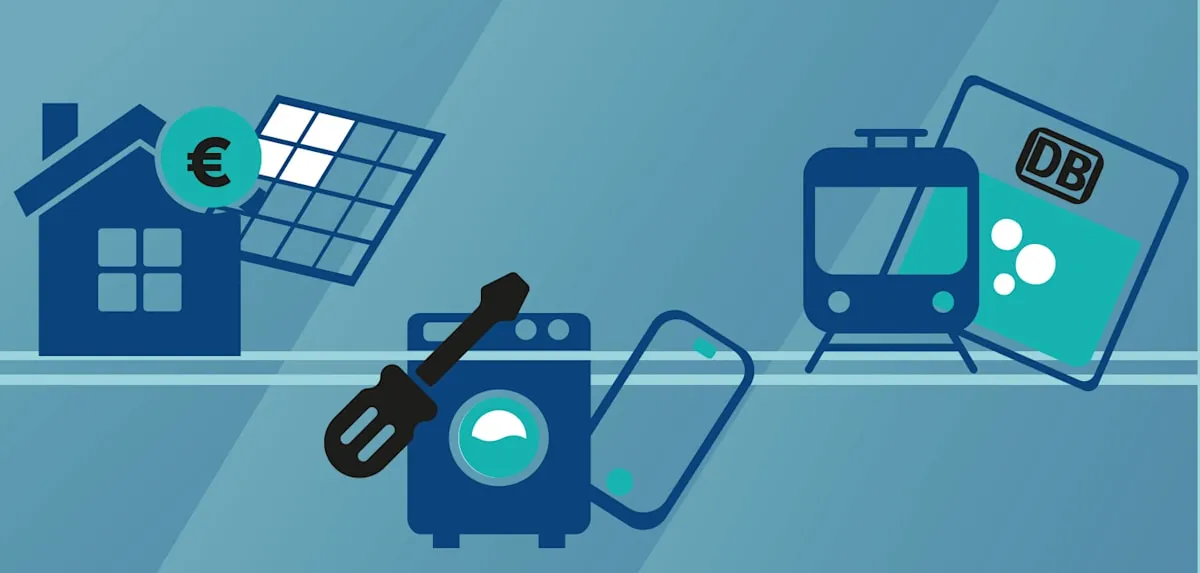
BERLIN — The German government will implement a series of significant new policies starting August 2026, directly affecting the lives of millions of consumers across the country. These changes encompass regulations related to purchase rights, digital innovations, energy incentives, and packaging governance, with long-term financial implications for households and individuals. The primary focus of these reforms includes full-day childcare facilities, solar energy subsidies, and bonuses for train transport users.
This strategic policy package is designed to address contemporary economic and social challenges, while simultaneously fostering innovation and sustainability. The federal government's decision has undergone extensive parliamentary debates and public consultations, reaffirming Germany's commitment to the welfare of its citizens. This aligns with other initiatives ensuring equal rights for all, such as efforts to end discrimination for cured cancer patients in Germany.
One of the main pillars of the reform is the enhancement of full-day childcare facilities (Ganztagsbetreuung). From August 2026, parents will experience easier access and improved quality of services. This initiative aims to alleviate the burden on working families and support the optimal development of children throughout Germany.
The renewable energy sector also receives serious attention. Solar energy subsidies (Solarförderung) will undergo significant changes, particularly regarding financial incentives. The determination of one crucial deadline will dictate the amount of funding flowing over the next two decades, highlighting the urgency for the public and businesses to adapt swiftly to these new regulations to maximize the potential of clean energy.
For commuters and travelers, the train transport bonus (Bahn-Bonus) will offer extra benefits. This policy is part of the German government's efforts to reduce carbon emissions and promote sustainable modes of transportation. The bonus scheme is expected to encourage more citizens to choose trains as their primary travel option.
Furthermore, purchase rights regulations (Kaufrecht) will be updated. This aims to protect consumers from unfair trade practices and ensure transparency in all transactions. These updates are crucial for maintaining public trust in the market and strengthening the consumer's position against businesses.
Digital aspects are also not overlooked. New policies will support digital innovation while ensuring personal data security and privacy. This step is fundamental in facing the rapid development of technology and the digitalization of various life sectors.
In an effort to preserve the environment, packaging governance (Verpackungen) will be tightened. These regulations emphasize the importance of recycling practices and waste reduction, encouraging producers and consumers to be responsible for their ecological footprint.
Economists predict that these changes will trigger a wave of adjustments across various economic sectors. “This is a bold step that demonstrates Germany’s commitment to a greener and fairer future,” stated Dr. Klaus Richter, an economist from the University of Berlin, citing his analysis in a recent seminar.
The German public is expected to adapt quickly to these new regulations and incentives. Detailed information regarding the implementation of each policy will be widely disseminated by relevant government agencies in the coming weeks.
Awareness of deadlines and specific requirements, especially for solar subsidies, is becoming extremely vital. A single day’s difference can determine a significant flow of funds over twenty years, highlighting the complexity and importance of this policy.
Initial responses from the public and various consumer associations show a mix of optimism and a need for further clarification. Many welcome the improved public services but also demand clearer details on the implementation mechanisms.
In the long term, these policies are expected not only to improve the quality of life for German citizens but also to strengthen Germany’s position as a leader in sustainability and economic innovation in Europe.