 Dorry Archiles
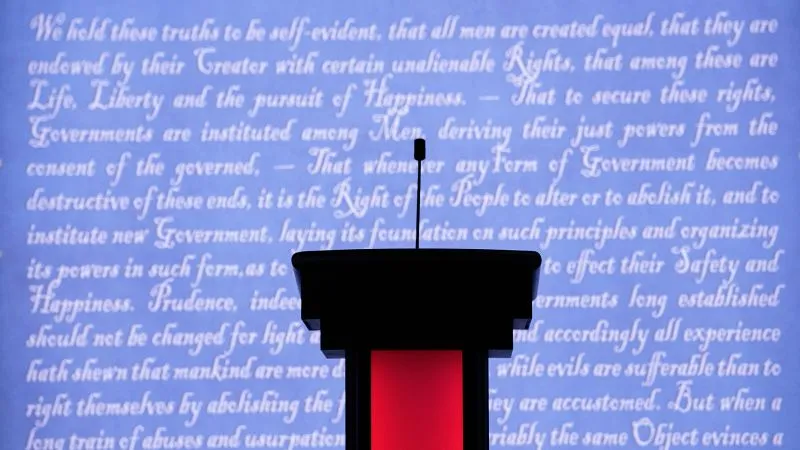
WASHINGTON – The discourse surrounding the emergence of an alternative candidate in the 2024 United States presidential election sparked a wave of optimism and intense debate. Many voters, feeling unrepresented by established parties, sought a third option capable of bridging ideological divides. This phenomenon, which peaked leading up to and after that year's election, continues to shape analyses of the US political landscape in 2026, raising questions about the future of the nation's bipolar democracy.
The sentiment for a different presidential candidate had grown stronger over several election cycles, but reached a critical point in 2024. Independent polls at the time indicated that a significant portion of Americans were dissatisfied with the available choices, driving a search for figures outside the Democratic and Republican spectrum. They yearned for a leader who could focus on pragmatic solutions rather than partisan conflict.
A crisis of trust in political institutions became one of the primary triggers. Deepening polarization, exacerbated by disinformation and cultural divides, left many voters feeling alienated from the conventional political process. This environment created fertile ground for the narrative that the two-party system was no longer responsive to the needs of the people.
Independent figures, activists from various backgrounds, and even some politicians from major parties who dared to defy party lines were considered potential alternatives. Social media served as a primary platform for these grassroots movements to rally support, share their vision, and challenge the dominant narratives of mainstream campaigns.
Demographic shifts and cross-generational values also played a significant role. Younger voters, in particular, showed a tendency not to be bound by traditional party affiliations. They were more open to new ideas and candidates who spoke directly about pressing issues such as climate change, economic inequality, and social justice, unburdened by old identity politics.
Reactions from both the Democratic and Republican parties in 2024 were mixed. Some dismissed the threat, considering it a minority voice that would not significantly impact the final outcome. However, others began to worry that shifting public sentiment could erode their traditional support bases, forcing adaptations in their campaign strategies.
Political analysts in 2026 continue to dissect the tangible impact of the 2024 alternative wave. Although no third-party candidate managed to win the presidency, the pressure they generated did alter some debate dynamics and compelled major parties to pay more attention to issues championed by independent groups.
Professor Elena Rodriguez, a political science expert from the National University, stated in a recent 2026 interview, "The 2024 alternative phenomenon was not merely about electoral victory, but about a strong public signal that a representation void exists. It is an alarm for the two-party system to innovate or risk long-term legitimacy."
This movement also highlighted the complexities of the US electoral system, including ballot access challenges and campaign funding, which often hinder effective third-party participation. Discussions about electoral reform to create a more level playing field for all candidates became increasingly relevant post-2024.
Looking ahead from 2026, the prospect of alternative candidates in future elections remains a hot topic. Their strength and appeal will depend on their ability to build broader coalitions, raise substantial resources, and offer a cohesive vision as an antidote to the prevailing polarized politics.
The potential for a truly transformative "alternative" still remains the hope for many Americans. The key question is whether the US political system will adapt to accommodate these aspirations, or if it will continue to witness deepening fragmentation and dissatisfaction.
The 2024 alternative candidate phenomenon reflects a global trend where voters in many countries are also seeking options outside traditional political narratives. This indicates that modern political dynamics are increasingly complex and require more adaptive responses from leaders and institutions.
Ultimately, the debate over the role and impact of presidential alternatives in 2024 will continue to shape discussions about the future of American democracy. Whether this was merely an anomaly or a sign of larger structural changes, only time will tell.