 Angela Stefani
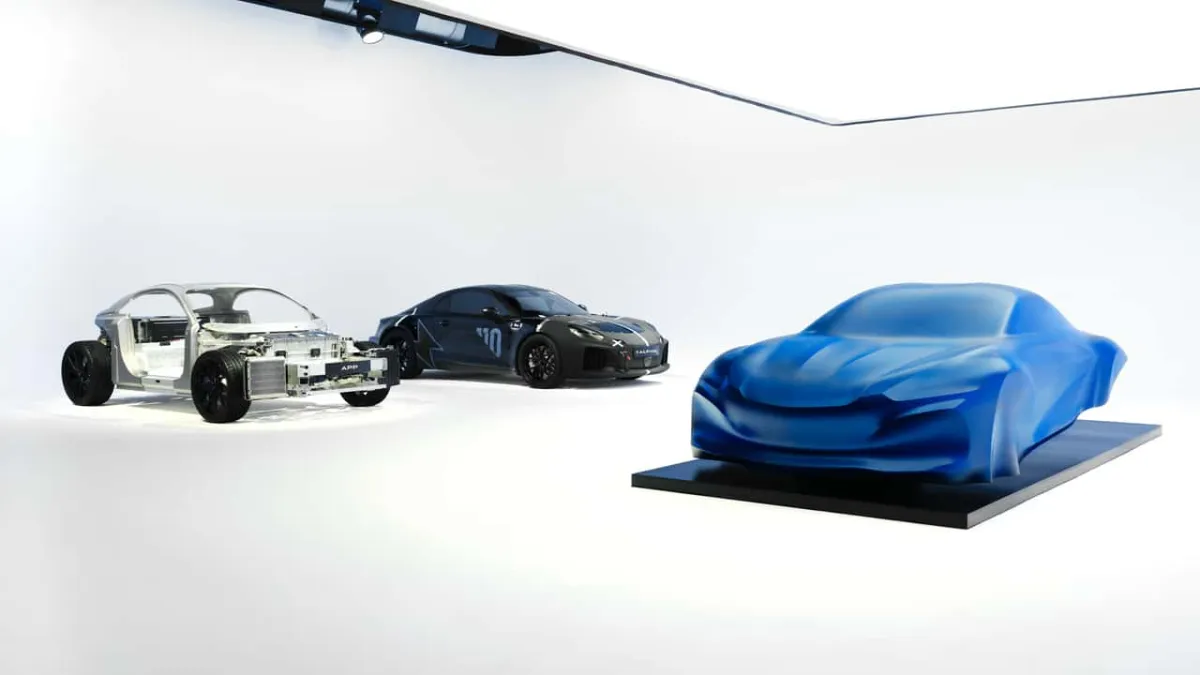
PARIS – French automaker Alpine has surprisingly hinted at the possibility of developing a new line of gasoline-powered sports cars in 2026. This decision has sparked intense debate about the future direction of an industry increasingly embracing electrification. The statement comes amidst global pressure to switch to electric vehicles (EVs), raising significant questions about Alpine's long-term strategy and its implications for the global automotive market.
This move, articulated by key company executives, highlights the complexities of the energy transition in the automotive sector. While many manufacturers are fully committed to EVs, Alpine appears to see a niche or an unmet market demand for a traditional driving experience with an internal combustion engine.
For several years, Alpine, known for its racing heritage and iconic A110 model, had envisioned a future dominated by electric vehicles. Previous strategic plans even projected a full EV portfolio by the end of the decade. Therefore, this latest signal is both contradictory and provocative.
Internal sources, wishing to remain anonymous, revealed that market research indicates a segment of loyal consumers who still crave the raw sensation of a pure gasoline engine, especially for high-performance sports cars. The exhaust note, instant throttle response, and distinctive torque characteristics of gasoline engines still hold a strong appeal for automotive purists.
Alpine CEO, Laurent Rossi, in a limited interview, did not rule out the possibility. We must always listen to the market and understand our customers' desires. While electrification is an inevitable future, we must also remain flexible, he stated, indicating strategic room for maneuver. Rossi did not specify models or exact timelines, but optimism was evident in his remarks.
Industry analyst, Dr. Emilia Schmidt from Global Automotive Insights, believes Alpine might be pursuing a niche strategy. This could be a smart move to retain a premium segment that values heritage and gasoline performance, while still investing in EV technology. Its not a rejection of electrification, but rather a portfolio diversification, she explained.
Competition in the electric sports car market is intensifying, with many new and traditional players vying to introduce innovative models. Alpine might feel it is challenging to compete in the high-performance EV segment without a strong identity, and has decided to strengthen its position in the gasoline segment it already masters.
Emission regulations will certainly be a major hurdle. Various countries, particularly in Europe, have set ambitious targets for banning the sale of fossil fuel vehicles in the future. Developing new gasoline cars means Alpine must find ways to comply with increasingly stringent emission standards.
Environmental observers have voiced concerns about this potential backtrack. Any step back towards fossil fuels, however small, will slow down climate change mitigation efforts, said prominent environmental activist, Lena Muller, emphasizing the importance of consistency in the green transition.
However, there is also the perspective that new gasoline sports cars, if produced in limited volumes, could serve as a halo car that maintains brand image and profitability, while Alpine continues to develop its EV base.
The future of Alpine, and indeed much of the automotive industry, lies in a careful balance between innovation, market demand, and regulatory compliance. The final decision regarding these gasoline sports cars will be a critical indicator of how manufacturers navigate this turbulent era of transition.
Editorial Insight: Alpine's move signifies the complex adaptation of the automotive industry to electrification. It is not merely a technical decision, but a struggle between heritage, fragmented market demand, and regulatory pressures. If successful, this strategy could serve as a blueprint for other brands seeking to preserve their performance identity without entirely abandoning the internal combustion engine era, albeit with significant reputational and environmental risks.