 Debby Wijaya
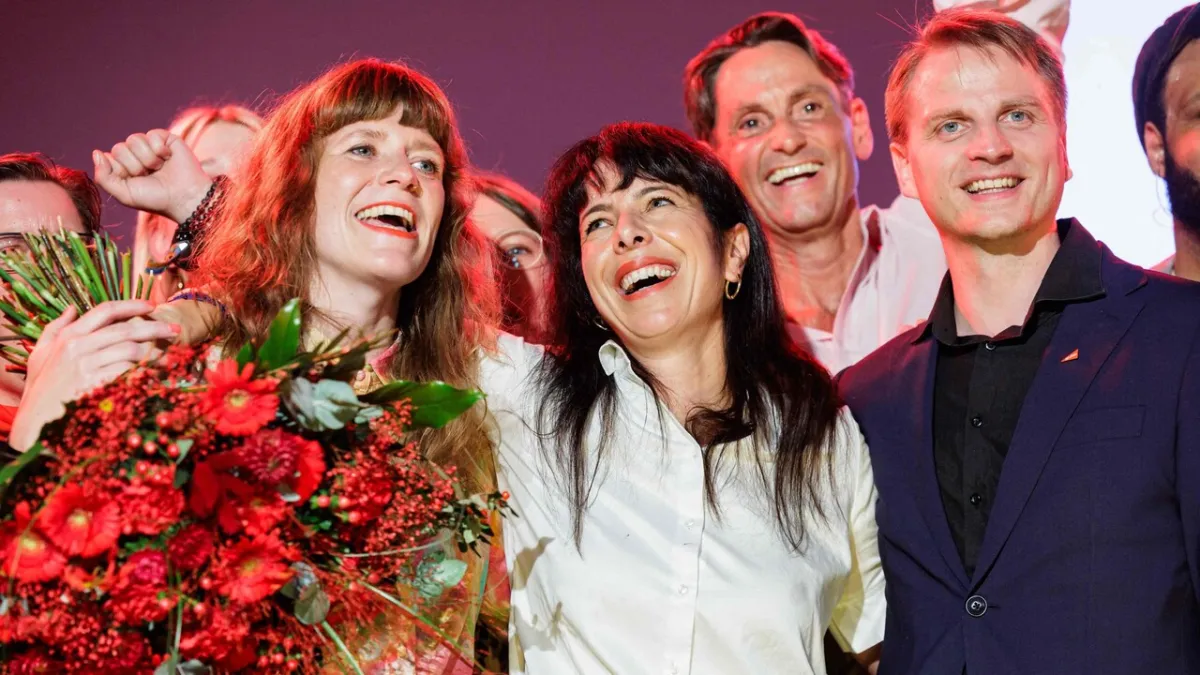
BERLIN – Elif Eralp, a progressive figure hailed as a new star of the left, has remarkably made history by winning the Berlin mayoral election in 2026. This victory not only places her in the leadership seat of the German capital but also signifies a strong left-wing ideological dominance within the national political landscape. We have made history, Eralp declared passionately after being announced the winner, asserting that love has triumphed over hate.
The election results, announced last weekend, demonstrated massive support for Eralp's platform, which focuses on social justice, environmental sustainability, and inclusivity. Her dynamic campaign and direct approach to citizens successfully attracted voters across demographics, especially younger generations longing for real change in urban governance.
Eralp's victory in Berlin occurs at a crucial moment for German politics. Following a period of uncertainty and fragmentation, a significant shift to the left in the capital could influence power dynamics at the federal level. This sends a strong signal from voters demanding progressive solutions to modern challenges.
Before entering the local political arena, Elif Eralp was known as a vocal young social activist and academic. Her diverse background, with experience in advocating for minority rights and urban policy reforms, gave her strong credibility among constituents. Her authentic and visionary messages distinguished her from other candidates.
This victory immediately sparked various reactions. Among supporters, euphoria filled the streets of Berlin, celebrating a new era. Meanwhile, conservative and right-wing factions responded with concern over the city's policy direction. Some analysts even compared Eralp's victory to similar progressive waves in other major European cities.
This development is noteworthy given the contradictions in the German political landscape. On one hand, Eralp's victory demonstrates the resurgence of left-wing ideology, but on the other, some regions, particularly in eastern Germany, show the dominance of right-wing parties like the AfD, which Chancellor Merz once described as a catastrophe. This phenomenon underscores deepening polarization. To understand these dynamics further, readers can refer to the article Germany Rocked: AfD Dominates East, Chancellor Merz Calls Results 'Catastrophic'!
As Mayor-elect, Elif Eralp faces a myriad of challenges. Issues of affordable housing, efficient public transport, immigrant integration, and climate crisis management are key agendas awaiting resolution. Public expectations for her are very high, demanding concrete and pro-people policy implementation.
A progressive victory in the capital of a European economic powerhouse like Germany also sends political ripples across the continent. This could inspire left-wing movements in other EU member states, fostering a more inclusive and welfare-oriented political narrative.
Elif Eralp's victory is clear evidence that society, especially in urban areas, craves bold leadership capable of offering a vision for a more just future, said Dr. Lena Schmidt, a political observer from Humboldt University Berlin. This is not just about a change of party, but an evolution in the perception of governance.
A Berlin resident, Anya Muller (34), expressed her optimism. We are tired of the status quo. Elif brings new energy, hope that this city can be a better place for everyone, not just a select few elites. Similar sentiments are widely heard from various segments of society.
With a strong mandate, Elif Eralp now has a great opportunity to reshape the face of Berlin. The policies she will introduce in the coming years will serve as a benchmark for the success of the left-wing movement in leading one of the world's most dynamic cities. The transformation she promises will be under scrutiny not only in Germany but also in the global political arena.
Editorial Insight:
Elif Eralp's victory in Berlin is not merely a change in leadership; it reflects a broader shift in political sentiment. In an era where stability is often mistaken for stagnation, communities increasingly demand disruptive leadership willing to take risks for the common good. Eralp's success in consolidating progressive forces in the German capital has the potential to create a domino effect, challenging traditional political hegemonies and paving the way for a more inclusive socio-economic agenda across Europe.